

The term “ethical consumerism” can feel abstract. It often seems like a distant concept, separate from the practical need to buy groceries and household goods. However, the data of Ethical Superstore tells a different story. Every purchase triggers a chain of events, influencing environmental footprints and community livelihoods. This isn’t about idealism, it’s about practical impact. Examining the evidence behind everyday products reveals how conscious selections create tangible, positive outcomes.
Choosing ethical products isn’t about perfection. It’s a series of small, smart swaps in your daily routine that collectively create significant positive change. This means selecting items that ensure fair wages for workers, use sustainable materials, and minimize environmental harm. The data shows that consumer demand for these products directly fuels the growth of responsible businesses and ethical supply chains, making it easier for everyone to make a difference.
The True Economics in Your Coffee Cup
That morning coffee ritual involves more than flavor notes. Conventional coffee trading often leaves small-scale farmers vulnerable to market price crashes that fall below their production costs. The Fairtrade system changes this equation mathematically.

When you select Fairtrade coffee from The Ethical Superstore, you’re activating a structured economic model. The system guarantees farmers a minimum price that covers sustainable production costs, plus an additional Fairtrade Premium paid directly to their cooperatives. Research from the Fairtrade Foundation shows these premiums fund community-chosen projects like installing clean water systems or building medical clinics that elevate entire regions. Your purchase becomes an investment in infrastructure, not just a caffeine transaction. The stability allows farmers to transition to organic methods, which further improves soil health and biodiversity on their land.
How a Simple Bag Fights a Global Pollution Crisis
The plastic bag’s convenience masks its lifecycle cost. Used for an average of twelve minutes, it persists in ecosystems for centuries, breaking into microplastics that infiltrate food chains. Switching to reusable alternatives represents one of the most effective personal environmental interventions.

A durable organic cotton tote from The Ethical Superstore’s collection withstands hundreds of uses, effectively eliminating thousands of single-use bags over its lifetime. The efficacy of this swap is demonstrated in waste audits. Communities implementing reuse systems report plastic bag reduction rates exceeding 80%. This isn’t just theory. By choosing reusable options, you directly decrease demand for virgin plastic production a petroleum intensive process and reduce the waste burden on municipal systems. The best part, you don’t need to be perfect. Even using a reusable bag half the time creates a substantial positive impact.
Transforming Household Cleaning From Chemical to Biological
Many conventional cleaners rely on synthetic chemicals that can persist in the environment. When these formulas rinse down drains, they enter waterways and can disrupt aquatic ecosystems. Plant-based cleaners take a different approach, using ingredients that biological systems can break down efficiently.
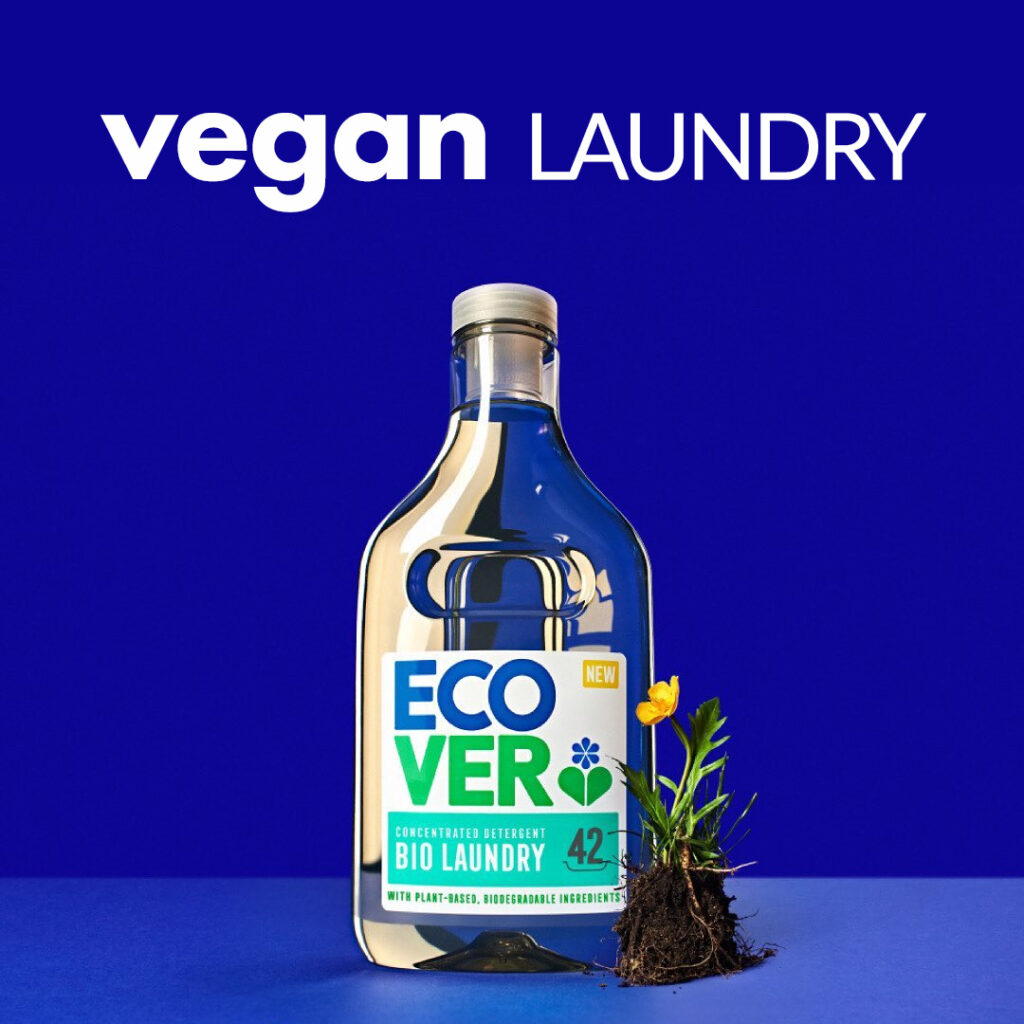
Brands like Ecover and Method, available through The Ethical Superstore, utilize surfactants derived from renewable plant sources. These compounds effectively lift grease and grime but decompose rapidly after use. Peer-reviewed studies in environmental science journals have documented the improved biodegradability of these plant-based formulas compared to their petroleum-based counterparts. For household air quality, products with low volatile organic compounds (VOCs) reduce respiratory irritation risks. The transition means your home maintenance doesn’t come with an unintended environmental cost.
The Cocoa Bar That Preserves Ecosystems
Conventional chocolate production has been linked to deforestation in sensitive tropical regions, as forests are cleared for cocoa monocultures. This approach depletes soil nutrients and reduces biodiversity. Ethical chocolate companies implement models that create value through preservation rather than destruction.

When you select a bar from The Ethical Superstore made by companies like Divine Chocolate (farmer-owned) or Tony’s Chocolonely (committed to slave-free supply chains), you support agricultural methods that prioritize shade-growing and crop diversification. These methods maintain forest canopy and soil health while providing habitats for native species. The Fairtrade certification ensures farmers receive prices that make these sustainable methods economically viable. Your chocolate choice becomes a direct contribution to forest conservation and sustainable agriculture in some of the world’s most vulnerable ecosystems.
Building a Practice of Conscious Consumption
The journey toward ethical consumption isn’t about immediate perfection. It begins with noticing one product in your regular shopping routine whether coffee, produce, or laundry detergent and considering its origins. Resources at The Ethical Superstore provide transparent information about sourcing and certifications, making informed choices accessible.

Each conscious purchase signals market demand for responsibly produced goods. This demand encourages more producers to adopt ethical practices, gradually making these options more available and affordable. The cumulative effect of these individual choices creates transformation that benefits both people and the planet, proving that practical shopping decisions can indeed build a better world.