
Not every driver can justify storing seasonal tires or scheduling regular tire changes. For practical driving situations, all-season tires from ReifenDirekt.ch offer reasonable compromise between seasonal specialization and practical convenience. All-season tires balance year-round performance across varying conditions without requiring seasonal changes.
Understanding All-Season Tire Technology
All-season tires represent engineering compromises designed to perform acceptably across temperature ranges and weather conditions that specialized tires optimize for exclusively. The rubber compound incorporates ingredients supporting both cold-weather grip and warm-temperature efficiency. Tread patterns combine features addressing winter snow and summer water evacuation.
These compromises mean all-season tires perform adequately across seasons but excel at none. They provide acceptable winter performance, reasonable summer efficiency and respectable wet-weather handling. This balanced approach appeals to drivers prioritizing convenience over maximum performance in any single season.
Practical Advantages of All-Season Tires
All-season tires eliminate the need for seasonal storage, scheduled changes and associated service costs. Drivers avoid complexity of managing two tire sets and timing changes with weather transitions. This convenience particularly appeals to drivers with limited storage space or those who prefer simplicity in vehicle maintenance.
ReifenDirekt.ch helps drivers understand when all-season tires make practical sense versus situations where seasonal specialization provides superior safety and performance benefits.
Winter Performance Limitations
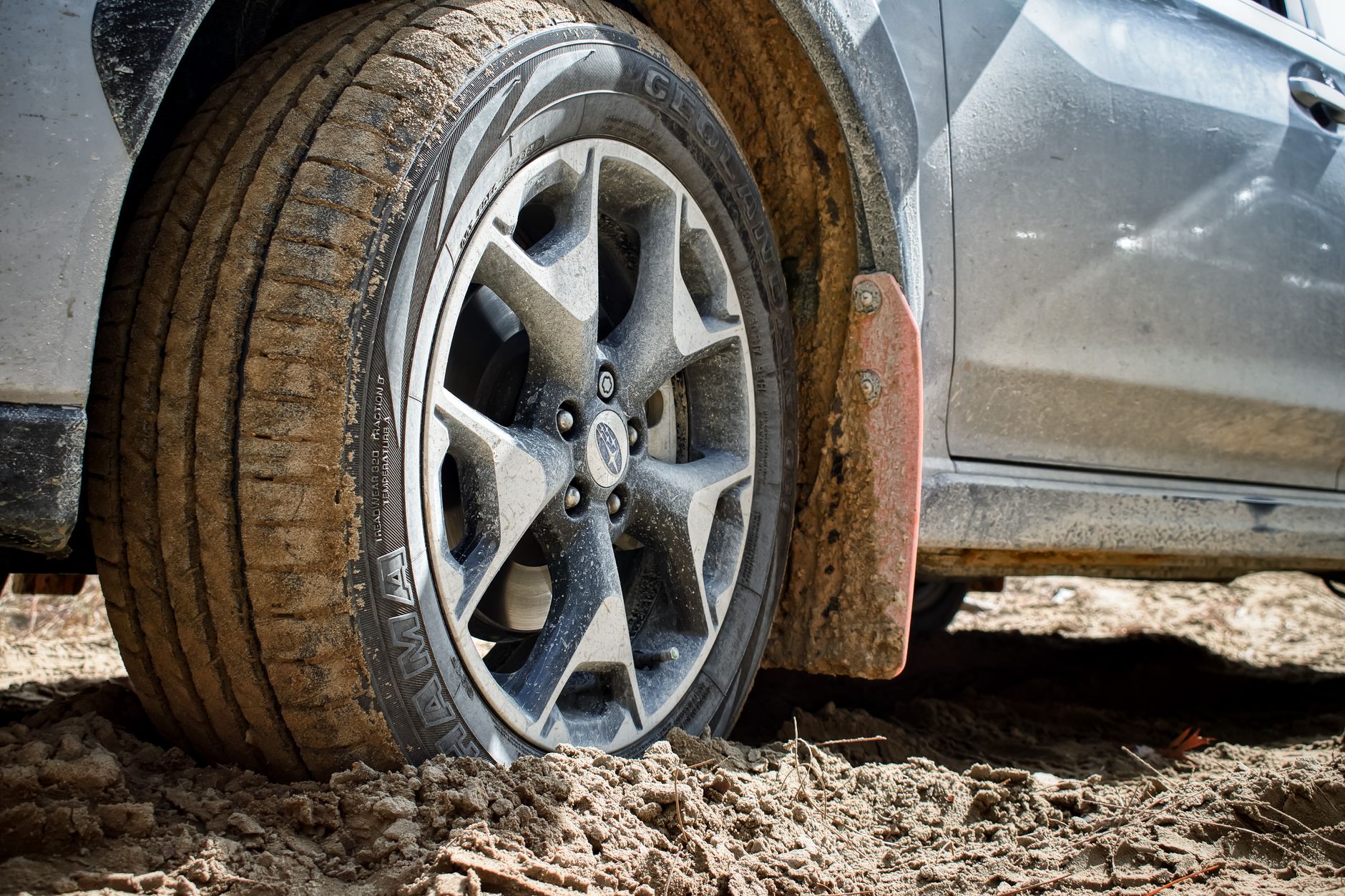
All-season tires satisfy Swiss winter tire requirements with M+S (mud and snow) markings, but they don’t match dedicated winter tire performance in cold conditions. The rubber compound remains stiffer than winter-specific options, reducing grip in snow and ice. Tread patterns designed for year-round use lack the siping that maximizes winter ice grip.
Safety-conscious drivers recognize that legal compliance differs from optimal performance. While all-season tires legally satisfy winter requirements in Switzerland, dedicated winter tires provide measurably better braking, handling and safety margins in actual winter conditions. For drivers prioritizing maximum safety, the compromise nature of all-season tires represents an acceptable risk only if seasonal tire changes prove genuinely impossible.
Summer Performance Trade-offs
Similarly, all-season tires sacrifice summer performance compared to summer-specific rubber. The rubber compound balances winter grip requirements with summer efficiency, resulting in higher rolling resistance than optimal summer formulations. Fuel economy suffers compared to high-performance summer tires.
Cornering performance also shows trade-offs. All-season tires provide adequate handling for typical driving but lack the precision and responsiveness of summer-specialized options. For spirited driving through Alpine curves, the differences become apparent. ReifenDirekt.ch
When All-Season Tires Make Sense
All-season tires work well for drivers with modest annual mileage, predictable driving patterns and flexible schedules that accommodate occasional slips in wet or wintry conditions. Urban drivers covering relatively short distances accept the performance compromises in exchange for maintenance convenience.
New drivers and those with limited budgets may wisely choose all-season tires while learning vehicle control and gaining confidence in different conditions. The balanced performance across seasons allows gradual skill development without extremes of specialized tire behavior.
Quality All-Season Options
ReifenDirekt.ch stocks premium all-season tires that push compromise boundaries toward better performance. High-quality all-season options approach specialized tire performance through advanced engineering, even while maintaining year-round versatility.
Premium all-season tires incorporate sophisticated tread designs, advanced rubber compounds and careful engineering that minimize typical compromise trade-offs. These options cost more than basic all-season alternatives but deliver winter and summer performance significantly closer to specialized options.
Maintenance and Longevity
All-season tires typically wear at predictable rates due to consistent use across seasons. Regular rotation, proper inflation and wheel alignment maintenance extends lifespan and promotes even wear. Well-maintained all-season tires deliver several years of reliable service.
Unlike specialized tires that wear faster in off-season use, all-season tires experience balanced loading throughout the year. This even wear pattern often results in longer lifespan compared to seasonal alternatives that endure higher stresses during peak-season use.
Cost Considerations
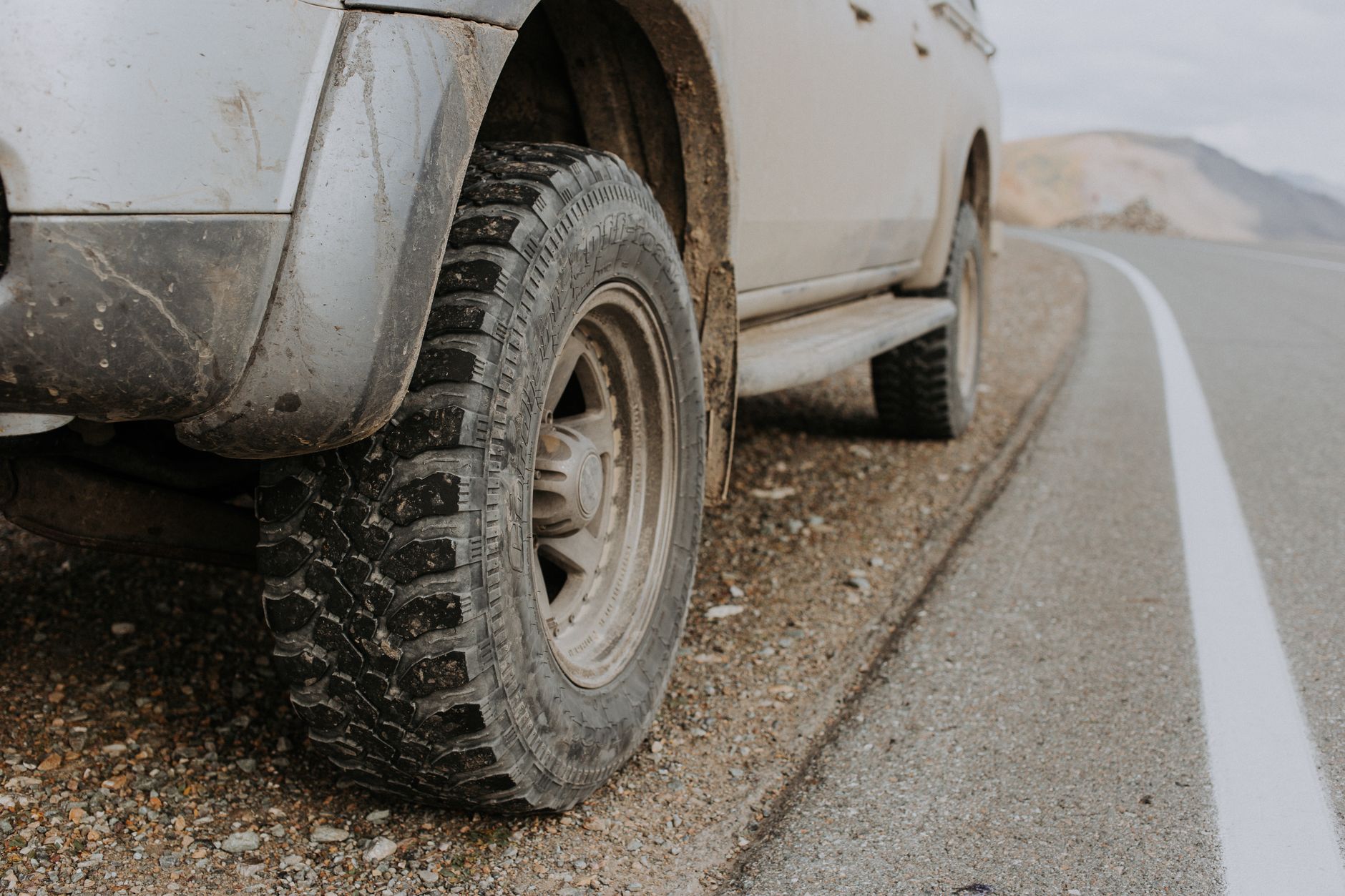
All-season tires eliminate the cost of maintaining two complete tire sets, professional storage and seasonal change services. This single-tire approach appeals to budget-conscious drivers seeking to minimize tire-related expenses. The trade-off involves accepting compromised performance compared to seasonal specialization.
Environmental Impact
The manufacturing and transportation of two tire sets carries environmental cost. Using all-season tires reduces resource consumption and transportation emissions associated with seasonal tire management. For environmentally-conscious drivers, all-season tires represent a more sustainable choice than seasonal alternatives.
Conclusion Practical All-Season Solutions
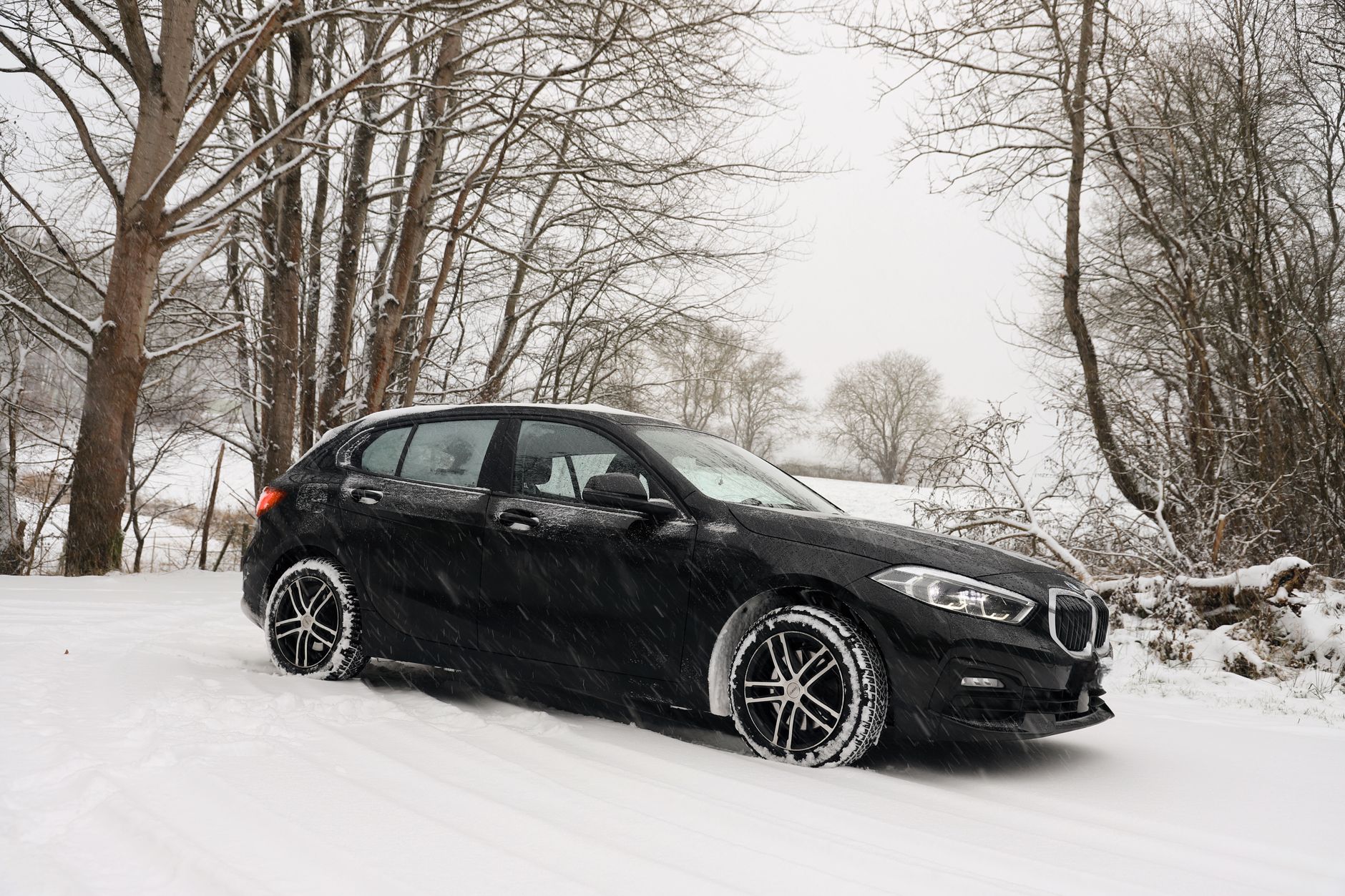
All-season tires from ReifenDirekt.ch offer practical convenience for drivers seeking year-round solutions. While they sacrifice some performance compared to seasonal specialization, quality all-season options provide reasonable compromises that support safe driving across varying conditions. For drivers prioritizing maintenance simplicity and cost efficiency over maximum seasonal performance, all-season tires make practical sense.