
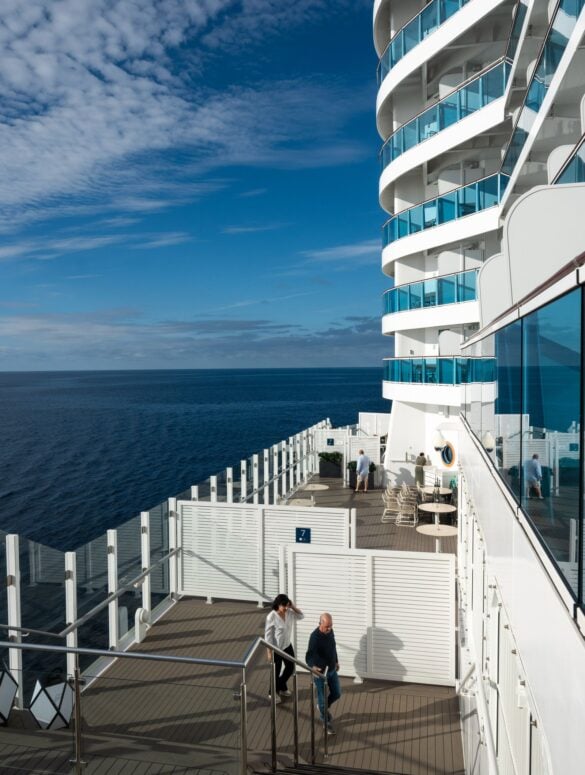
A cruise can create insurance needs that do not appear on an ordinary land holiday. Missed port departure, cabin confinement, itinerary changes and interruption of the voyage may require cruise-specific benefits. Medical treatment and repatriation can also involve complex arrangements at sea. A traveller comparing specialist protection can explore Avanti Travel Insurance and review the cruise policy sections before paying the final balance on the trip.
Cruise-specific events need clear definitions
A missed port departure is not the same as missing the original departure from home. The policy may define which port, transport delay and evidence qualify for cover. The traveller should understand whether the benefit relates to joining the ship after an insured delay and what steps must be taken to contact the cruise operator.
Itinerary change cover may apply when a scheduled port is missed or replaced for a reason recognised by the policy. The traveller should check whether the benefit is paid per port, what confirmation is required and which circumstances are excluded. A general disappointment about a changed route is not automatically an insured event.
Cabin confinement usually depends on an instruction from the ship’s medical officer. Choosing to remain in the cabin because of discomfort may not meet the definition. The traveller should know what written evidence would be needed and whether unused excursions are addressed separately.
A cruise passenger can review Avanti Travel Insurance and compare how the policy handles missed departure, cabin confinement, itinerary change and cruise interruption. Each term should be read in its full context because similar phrases can carry different conditions across policy sections.
Medical cover should reflect the realities of a voyage
Medical treatment on a ship may involve the onboard medical centre, transfer to a port or evacuation to a suitable facility. The traveller should check emergency medical and repatriation cover, including the requirement to contact the assistance service. Arrangements made without approval may affect how costs are handled under the policy.
Pre-existing medical conditions should be declared through the insurer’s screening process. The traveller should also report relevant health changes after purchase when required. Cruise length, destination and access to medical facilities can make accurate disclosure especially important, but the insurer decides whether a condition can be covered.
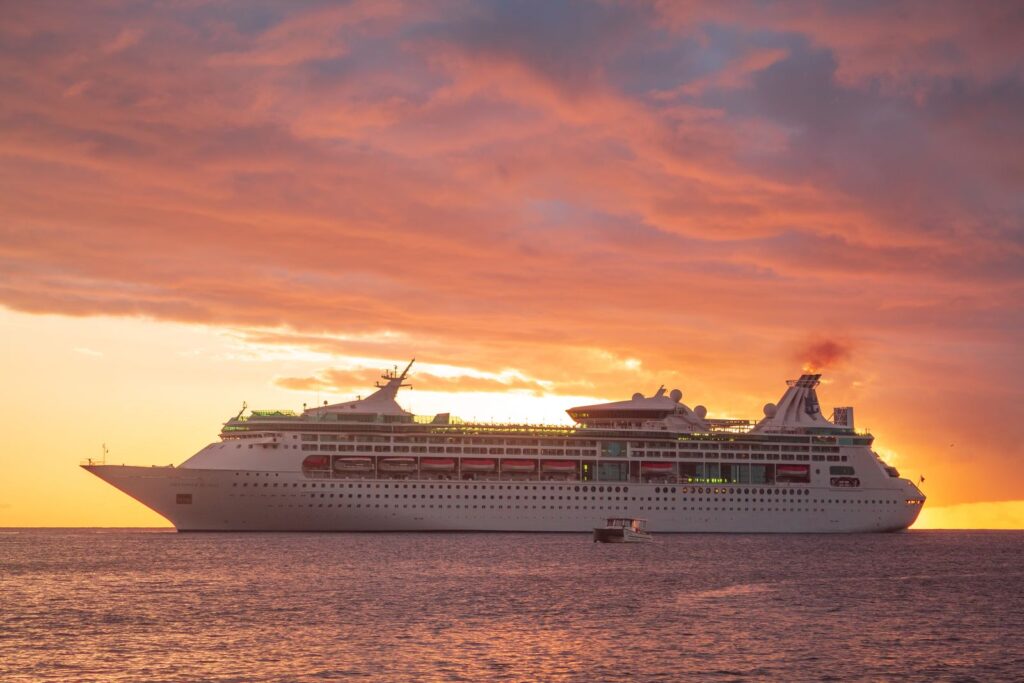
Medication should be packed with enough margin for travel disruption, subject to medical and legal guidance. Essential medicine is safer in hand luggage when transport rules allow, with copies of prescriptions or supporting documents where appropriate. The traveller should also know how the policy addresses lost or delayed medication.
Anyone seeking cruise cover that considers medical conditions can explore Avanti Travel Insurance and assess the emergency support details with the cruise-specific benefits. The policy should be read alongside the cruise line’s own insurance requirements.
Cruise cover questions before departure
A focused review helps the traveller identify gaps before the ship leaves port.
- The traveller should confirm that the policy is recognised by the cruise operator for the booked voyage.
- Every pre-existing condition requested by the medical screening should be declared accurately.
- The emergency assistance number and policy reference should remain accessible on and off the ship.
- A review of Avanti Travel Insurance can help the traveller compare cruise-specific benefits and policy levels.
- Receipts, medical notes and written confirmation should be kept when an incident may lead to a claim.
Documents and communication support any claim
The traveller should keep the booking confirmation, cruise itinerary and policy documents together. Digital copies are convenient, but an offline copy can help when mobile service is limited. A travelling companion should know how to find the documents if the policyholder is unable to manage the call.
When an incident occurs, the cruise line or ship’s medical team may need to provide evidence. A missed port, cabin confinement or interruption should be documented by the appropriate authority. The traveller should request confirmation while the information is available rather than trying to reconstruct the event after returning home.
The assistance service should be contacted according to the policy instructions. In an emergency, treatment comes first, but the traveller or companion should notify the insurer as soon as reasonably possible. The assistance team can explain approved providers, transport arrangements and documentation requirements.
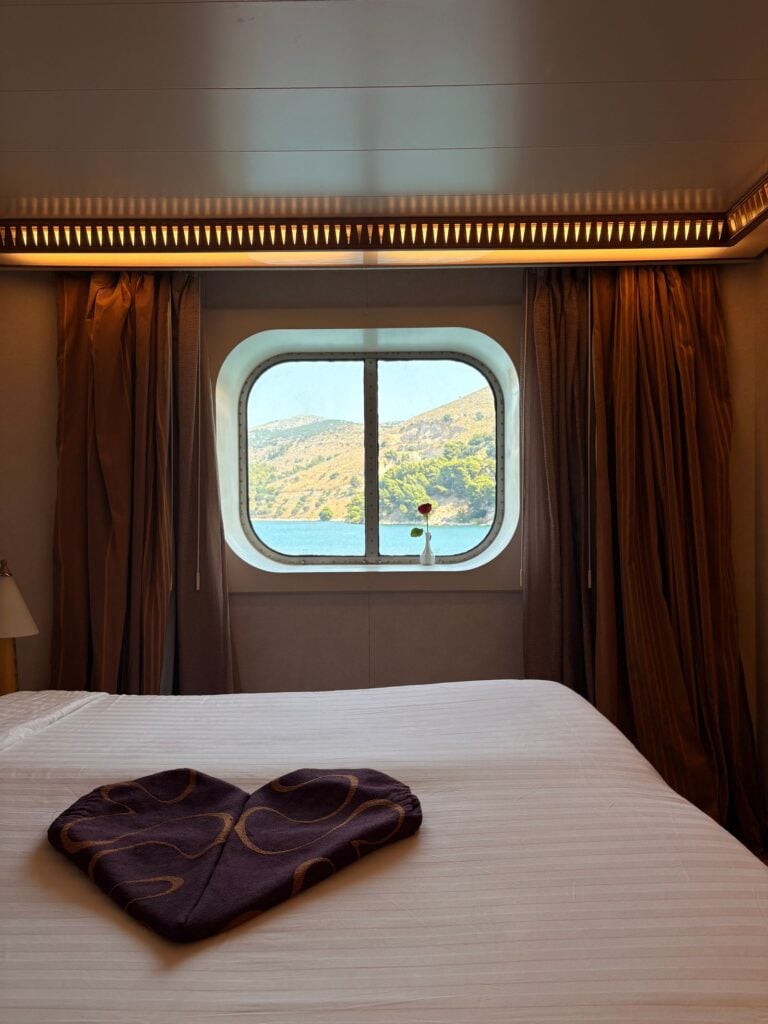
Optional excursions need separate consideration. An excursion bought through the cruise line may have different cancellation terms from one booked independently. The insurance policy may also define covered excursions in a specific way. The traveller should check both sets of terms before assuming a missed activity will be reimbursed.
The route may cross several territories even when the passenger spends most nights on the ship. The traveller should confirm that the geographical area covers every planned port and any place where emergency treatment could occur. An itinerary map is useful when checking the policy selection.
A cruise traveller ready to match specialist cover to the voyage can discover Avanti Travel Insurance and examine medical support, cancellation protection and cruise-specific sections together. Clear definitions and accessible records make the policy easier to use if the itinerary changes or medical help becomes necessary.