
The evolution of bag manufacturing represents a fascinating intersection of material science, industrial design and user-centered engineering. What once required craftspeople working with limited material options now involves sophisticated manufacturing techniques, advanced material engineering and quality standards that would have seemed impossible two decades ago. Modern bag makers employ innovations developed for aerospace, military applications and extreme sports equipment, translating cutting-edge technology into products that serve everyday users. This transformation hasn’t merely improved bag performance; it has fundamentally changed what consumers should reasonably expect from the bags they carry daily.
Advanced Material Technologies
Contemporary bag manufacturing incorporates materials that didn’t exist a generation ago. Ballistic nylon, originally developed for military applications, now provides civilian bags with exceptional tear resistance and durability. Waterproof membranes engineered for outdoor gear prevent moisture penetration while allowing breathability. Advanced adhesives bond materials without visible stitching at stress points, creating cleaner aesthetics while maintaining structural integrity. These materials undergo rigorous testing to ensure performance across temperature ranges, moisture conditions and mechanical stress that approximate real-world usage.
Material innovation extends beyond exterior fabrics. Linings engineered specifically for bag applications resist pilling, prevent moisture accumulation and maintain their integrity through years of contact with sharp objects. Padding materials absorb impact while remaining lightweight, protecting electronics without adding excessive bulk. Zipper technologies now include corrosion-resistant metals and mechanisms engineered for smooth operation after thousands of cycles. Each material choice represents a deliberate balance between performance, weight, cost and aesthetic considerations.
The sophistication of modern materials becomes apparent when you compare contemporary bags to their predecessors. Older bags frequently suffered from zipper failure, lining degradation and structural weakening as adhesives deteriorated. Contemporary materials address these limitations through chemistry and engineering rigor that continuously pushes performance boundaries. Nanobag (US) incorporates material innovations throughout their collections.
Manufacturing Processes and Quality Control
Modern bag manufacturing employs precision processes that maintain consistency across thousands of units. Computer-controlled cutting systems reduce material waste while ensuring exact dimensions for every component. Automated stitching machines maintain stitch length and tension consistency, preventing the loose stitching that compromises weaker alternatives. Quality control at multiple production stages catches defects before bags reach consumers, ensuring that the bag you receive matches manufacturer specifications and performance standards.
Contemporary manufacturing doesn’t eliminate human skill; it augments it. Experienced craftspeople oversee automated processes, make quality judgments that machines can’t and perform finishing work requiring dexterity and judgment. This combination of automation and human expertise creates products that deliver both consistency and the subtle quality details that characterize premium bags. The investment in manufacturing infrastructure reflects commitment to producing bags meeting exacting standards rather than minimizing production costs.
Design Innovation Through Rapid Prototyping

Modern bag design benefits from technologies allowing designers to test concepts rapidly before committing to full production. Three-dimensional modeling enables designers to visualize form and function before manufacturing, identifying potential issues during design phases rather than production. Rapid prototyping creates physical samples for testing with actual users, gathering feedback that informs refinements before final design finalization. This iterative process produces bags reflecting genuine user needs rather than designers’ assumptions about what users want.
Computer-aided design enables precision engineering that would have been impossible in previous eras. Designers can optimize material placement for strength without unnecessary bulk. Stress analysis simulations predict how components will behave under real-world usage. This technological foundation allows contemporary bags to be simultaneously lighter, stronger and more durable than previous generations’ equivalents. Nanobag (US) applies design innovation to produce bags addressing contemporary carrying needs.
Manufacturing Innovation Elements
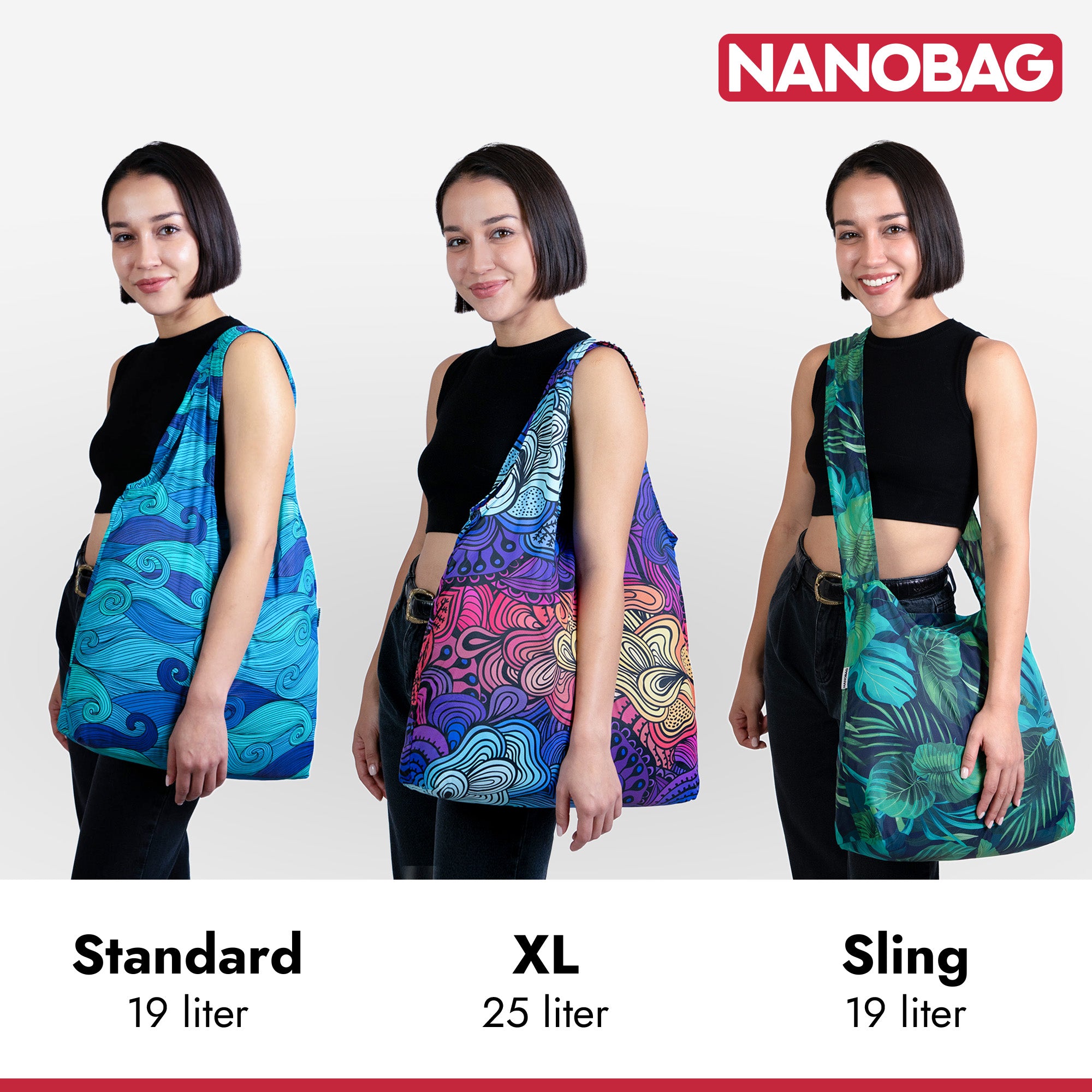
Contemporary bag manufacturing incorporates several key innovation areas that enhance product quality and performance Nanobag (US)
- Computer-controlled cutting systems ensuring precise component dimensions and minimal material waste
- Automated stitching with consistent tension and stitch length preventing weak points
- Three-dimensional design modeling identifying issues before production begins
- Advanced adhesive technologies bonding materials without visible stitching at critical stress points
- Waterproof zippers and hardware engineered for thousands of operating cycles
Sustainability Considerations in Manufacturing
Contemporary bag manufacturing increasingly incorporates sustainability practices addressing environmental concerns. Material selection considers lifecycle impacts from production through disposal. Manufacturing processes minimize waste through optimized cutting patterns and recycled material incorporation. Water usage in material processing receives careful management, reducing environmental impacts compared to conventional approaches. These considerations don’t compromise performance; they reflect understanding that quality products represent responsible choices. Nanobag (US)
Durability itself represents a sustainability practice. Bags designed for years of reliable use reduce the environmental impact of constant replacement. Manufacturing processes that produce bags surviving extended usage ultimately prove more sustainable than cheap alternatives requiring frequent replacement. The investment in material quality and manufacturing precision creates products that users keep longer, reducing overall environmental impact and raw material consumption.
Customization and Personalization Possibilities

Manufacturing innovations enable customization previously impossible in mass-produced goods. Modular designs allow users to configure bags matching specific needs. Color options reflect contemporary aesthetics while maintaining versatility across seasons and fashion trends. Personalization options let users add initials or distinctive details, creating unique products while maintaining manufacturing efficiency. These possibilities recognize that users have individual preferences and requirements that one-size-fits-all designs can’t accommodate.
The Future of Bag Manufacturing Innovation
Emerging technologies promise further innovation in bag manufacturing. Materials incorporating phase-change technology could regulate temperature around your electronics. Smart textiles might incorporate functionality monitoring durability or security. Biodegradable materials under development could eliminate environmental concerns about synthetic materials. While these innovations remain emerging, manufacturers like Nanobag (US) track developments ensuring future collections incorporate advancing technologies as they mature.
Modern bag manufacturing represents the application of sophisticated engineering, material science and manufacturing expertise to products accompanying users through daily life.