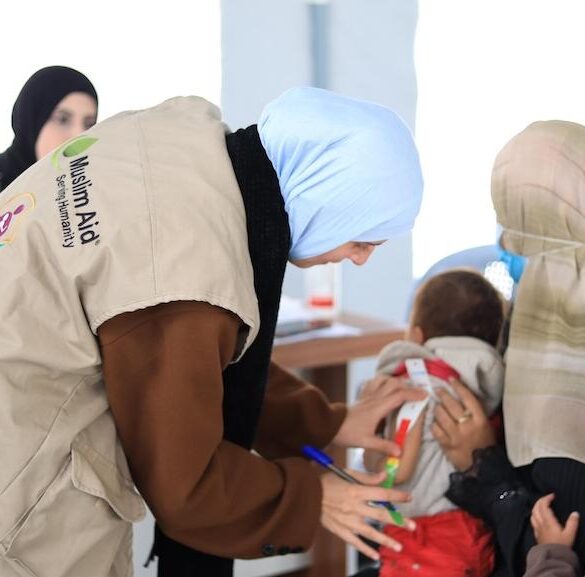
Charitable giving can take many forms. Sometimes it means helping a family facing an immediate emergency, while at other times it means supporting a child’s education, funding access to clean water or creating an income opportunity that may continue benefiting a household for years. Muslim Aid brings these different forms of support together through humanitarian and development programmes operating in communities across several regions of the world. The charity’s work includes safe water, healthcare, education, child sponsorship, support for orphans and widows, poverty reduction and sustainable livelihoods, alongside religious giving opportunities such as Zakat and Sadaqah Jariyah. This broad approach allows donors to support both immediate needs and projects aimed at helping families develop greater resilience, independence and opportunity over the longer term.
Child Sponsorship Creates Support That Extends Beyond One Moment
Children living in poverty or communities affected by instability can face barriers that reach far beyond household income. Education may become difficult to continue, healthcare can be harder to access and basic daily needs can place additional pressure on families. Muslim Aid’s child sponsorship work is designed to provide more consistent support rather than treating children’s needs as a one-time intervention. Ongoing assistance can contribute toward areas connected with education, health and general welfare, depending on the programme and location. The importance of this model lies in continuity. While emergency aid responds to an immediate event, child-focused support recognizes that development takes time and that children often benefit most when assistance remains connected to their growth and future opportunities.
Supporting Orphans and Widows Helps Families Facing Greater Vulnerability
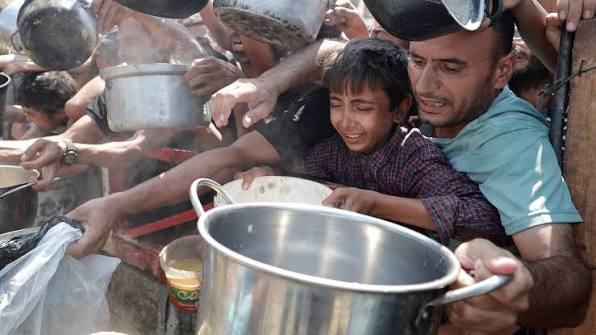
The loss of a parent or household provider can dramatically change the financial security of a family, particularly in communities where formal social-protection systems are limited. Muslim Aid includes dedicated support for orphans and widows within its humanitarian programmes, recognizing that these households may face additional challenges accessing food, education, healthcare and reliable income. Assistance can take different forms depending on the project, but the broader purpose is to help vulnerable families maintain dignity and greater stability. Supporting a widow or orphan is not simply about meeting one immediate expense; when assistance is designed thoughtfully, it can help keep children in school, reduce pressure on caregivers and create breathing room for families trying to rebuild their circumstances.
Muslim Aid Programmes That Support Long-Term Community Development
The organisation’s work connects several areas that can influence one another over time:
- Safe water helps communities improve access to clean drinking water.
- Education creates learning opportunities for children facing disadvantage.
- Child sponsorship provides more consistent support for vulnerable children.
- Orphan and widow assistance focuses on households facing particular hardship.
- Healthcare programmes support better health and wellbeing for vulnerable families.
- Livelihood projects help people build skills and income opportunities.
- Emergency response provides urgent assistance when disasters or conflict strike.
- Poverty-reduction programmes address essential needs and longer-term resilience.
- Zakat distribution directs eligible funds toward people experiencing hardship.
- Waqf and Sadaqah Jariyah initiatives create ways to support projects with longer-term charitable impact.
Safe Water Projects Can Strengthen an Entire Community
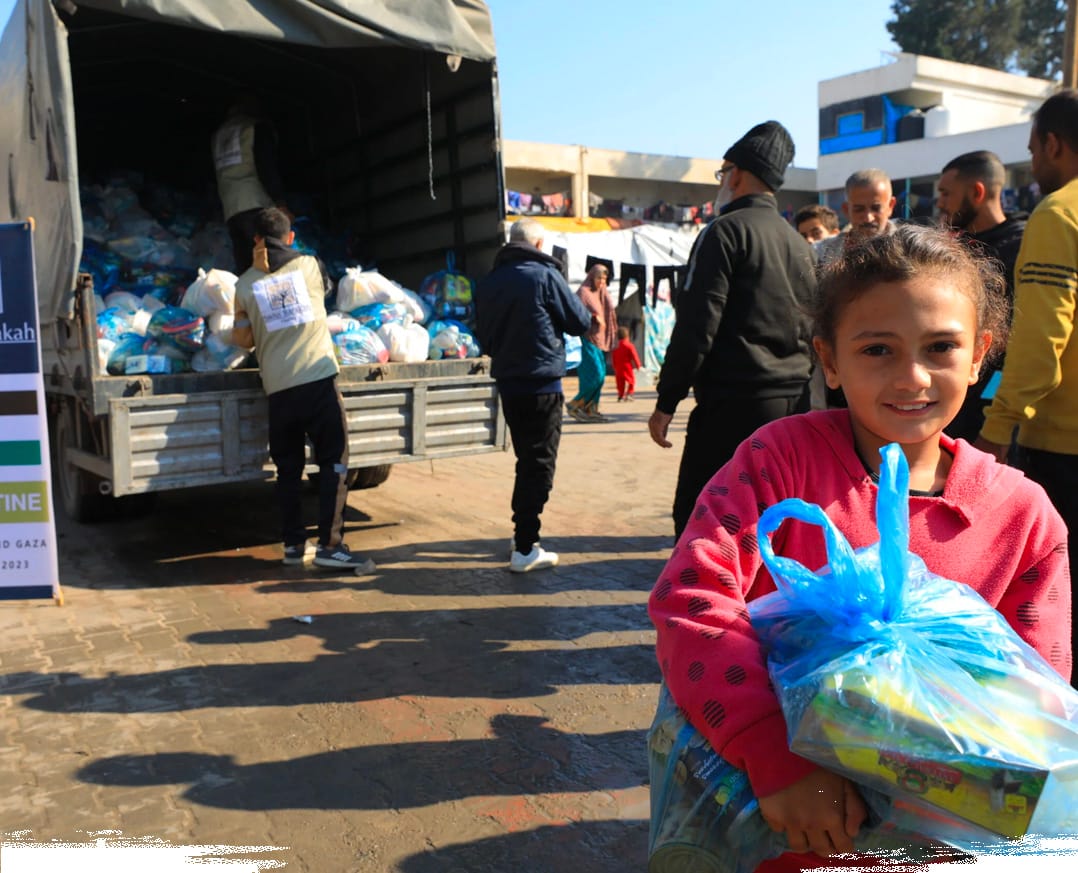
A reliable water source can become one of the most valuable pieces of infrastructure available to a community. Safe water supports drinking and cooking, but its wider influence can reach hygiene, sanitation, education and household productivity. Muslim Aid places clean water among its major areas of work and currently highlights water projects as an important way of supporting vulnerable communities. When water can be accessed closer to home, families may spend less time collecting it, while improved sanitation and hygiene can contribute to healthier living conditions. The exact solution needs to suit the local environment, which is why sustainable water work involves more than simply installing infrastructure; maintenance, community participation and appropriate planning are important to preserving the benefit over time.
Sadaqah Jariyah Focuses on Benefits That Can Continue Over Time
Sadaqah Jariyah is often associated with charitable acts whose benefit continues beyond the original donation, which makes it naturally connected to projects such as water facilities, education and other forms of useful community infrastructure. Muslim Aid includes Sadaqah Jariyah among its current areas of work, giving donors opportunities to contribute toward projects intended to create continuing benefit. The appeal of this type of giving comes from its longer horizon. Instead of thinking only about what a donation provides today, the donor considers how the supported project may continue helping people in the future. A well-planned water facility or educational resource, for example, may support many individuals over time rather than serving only one recipient on one occasion.
Sustainable Livelihoods Help Charity Become a Route Toward Independence
A family may require direct assistance during a difficult period, but many households ultimately want the same thing: an opportunity to support themselves reliably. Muslim Aid’s livelihood programmes are designed around developing that independence through areas such as agriculture, skills training, microfinance and small-enterprise support where appropriate. The organisation has also developed livelihood initiatives that connect charitable programmes with local farmers and vulnerable families, demonstrating how humanitarian support can contribute to local economic activity rather than operating entirely outside it. When people gain productive assets, relevant training or access to finance, they may be better positioned to generate income and make their own decisions about household priorities. This moves development work from repeated assistance toward greater self-reliance.