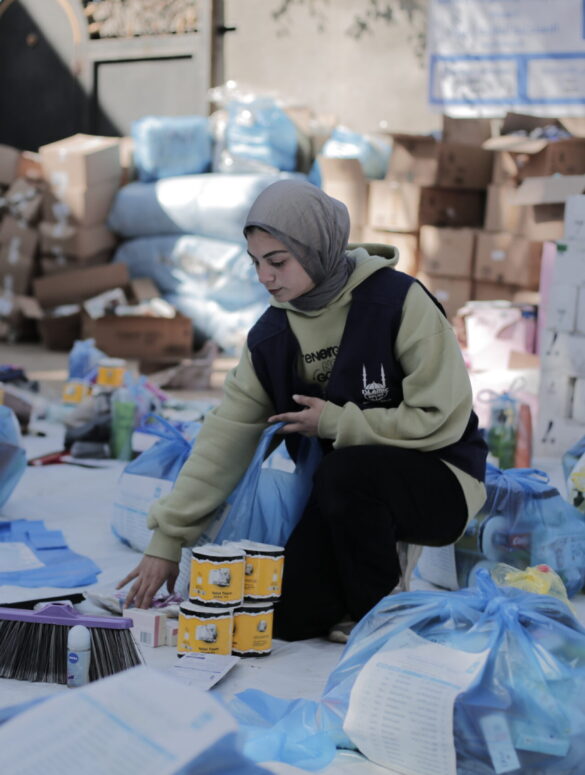
Humanitarian support matters most when it does more than respond to the crisis of today. Families affected by conflict, natural disasters, poverty or displacement may urgently need food, clean water, shelter and medical assistance, but rebuilding a stable future often requires education, skills, income opportunities and long-term community investment as well. Muslim Aid approaches humanitarian work from both directions. Established in the UK in 1985, the international charity combines emergency response with sustainable development programmes designed to help vulnerable communities move beyond immediate hardship. Its work spans areas such as safe water, healthcare, education, child welfare, livelihoods and economic empowerment, creating a model where urgent assistance and longer-term recovery can support one another rather than being treated as completely separate goals.
Emergency Relief Responds When Communities Face Their Most Difficult Moments
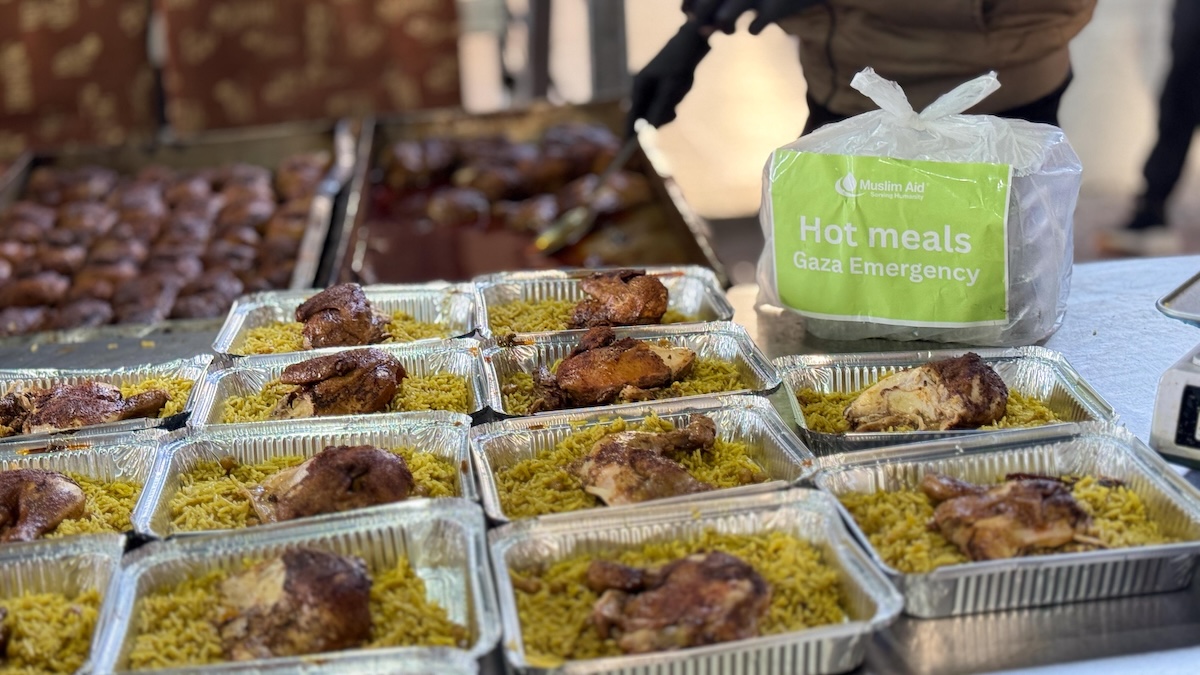
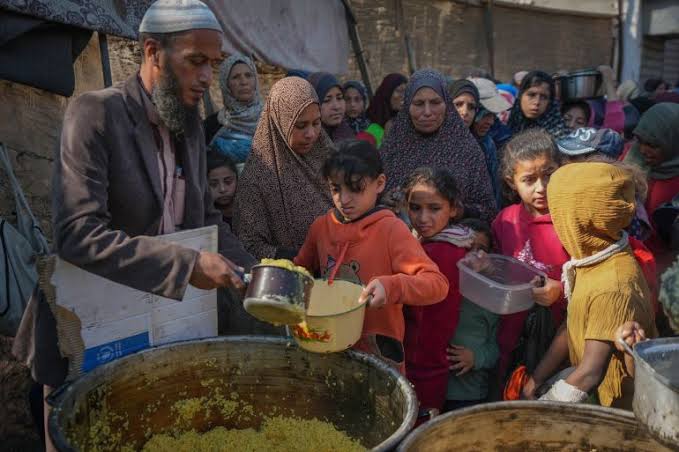
Natural disasters, conflict and displacement can change daily life almost instantly, leaving families without reliable access to necessities they previously depended on. Muslim Aid’s emergency programmes are designed to respond to these situations by supporting people facing immediate risk and serious disruption. Depending on the crisis and location, humanitarian assistance may involve essentials such as food, clean water, shelter-related support, healthcare and other urgent necessities. The organisation also emphasizes connecting relief with rehabilitation and longer-term development, recognizing that surviving the first days or weeks of an emergency is only one stage of recovery. This approach allows support to evolve as communities move from immediate survival toward rebuilding homes, livelihoods and a greater sense of stability.
Safe Water Can Change Far More Than a Daily Routine
Access to clean water influences almost every part of community life. When families must travel long distances to collect water, valuable time can be taken away from education, employment and caring responsibilities, while unsafe water can contribute to preventable illness. Muslim Aid’s safe-water programmes form an important part of its wider humanitarian and development work, with projects designed around communities where reliable water access remains limited. Depending on local circumstances, interventions can include water facilities and broader WASH support connected with sanitation and hygiene. A sustainable water project can therefore create benefits beyond simply providing something to drink, helping families spend less time searching for water while supporting healthier and more stable daily routines.
Areas Where Muslim Aid Focuses Its Humanitarian Work
The organisation’s current programmes extend across several connected areas of need:
- Emergency relief supports communities affected by disasters, conflict and displacement.
- Safe water projects help improve access to clean drinking water and sanitation.
- Medical aid supports healthcare needs in vulnerable communities.
- Education programmes aim to expand access to learning and opportunity.
- Child sponsorship provides ongoing support connected with children’s welfare and development.
- Orphan and widow programmes focus on families facing additional vulnerability.
- Livelihood projects help people develop skills and more sustainable sources of income.
- Food and poverty programmes support households struggling with essential needs.
- Zakat programmes direct eligible charitable giving toward people experiencing hardship.
- Sadaqah Jariyah projects provide opportunities to support initiatives intended to create longer-lasting benefit.
Sustainable Livelihoods Help Families Move Beyond Repeated Dependence
Emergency assistance can keep a family safe during a crisis, but long-term security often depends on being able to earn a reliable income again. Muslim Aid’s sustainable-livelihood programmes are designed around this principle, supporting activities such as skills development, agriculture, microfinance and enterprise creation in appropriate communities. Rather than assuming that one economic solution will work everywhere, programmes can be shaped around local needs, resources and opportunities. Restoring the ability to earn can help households meet their own everyday expenses and make decisions with greater independence. In this way, humanitarian support becomes more than the delivery of short-term aid; it can provide a pathway toward resilience where people have the tools to build their own future.
Partnership Helps Humanitarian Work Stay Connected to Local Communities
Muslim Aid works through field offices and partnerships with community-based organisations, allowing programmes to draw on local knowledge rather than approaching every location in exactly the same way. Local partners can understand cultural context, practical barriers and changing community priorities in ways that are difficult to capture from a distance. The organisation describes consultation with stakeholders and rights holders as part of its approach, while values such as dignity, accountability, compassion and empowerment guide its work. This partnership model can help humanitarian projects focus on needs identified by communities themselves and support solutions that continue to make sense after the immediate intervention has ended.
Compassion Has Greater Impact When It Creates a Path Forward
Muslim Aid’s work shows why humanitarian action is strongest when emergency response and long-term development are connected. Food, clean water and medical assistance can protect people during the most difficult moments, while education, livelihoods and community infrastructure help create opportunities after the immediate crisis begins to pass. Neither side of that work should be viewed in isolation. A family that receives urgent support today may later need access to schooling, employment or safer water to rebuild a stable life tomorrow. By working across both urgent and long-term needs, Muslim Aid turns charitable support into something broader than temporary relief—a continuing effort to help communities survive hardship, regain independence and move forward with dignity.