
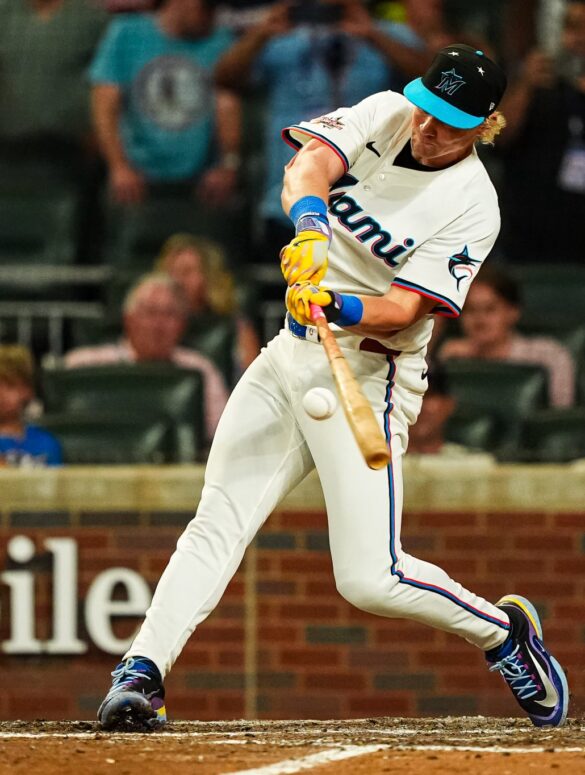
There are stadiums where you go to watch a game, and then there are places where you go to feel something.
In Miami, that place is loanDepot park, and that feeling belongs to the Marlins. It’s in the hum of anticipation before the first pitch, the roar that builds after a home run, and the sound of thousands of fans clapping in rhythm as one. It’s in the colors, the music, the heat the energy that only Miami can create.
For the people who fill the stands, baseball isn’t just a pastime. It’s a pulse. And for the Marlins, every game is an act of connection, a moment to remind their city that this is their team born from the same rhythm that makes Miami move.
TL;DR

The Miami Marlins aren’t just a baseball team they’re a cultural anchor for their city. Through emotion, atmosphere, and shared experience, the team has built a bond that goes far beyond the field. From loanDepot park’s electric energy to the community surrounding it, the Marlins bring Miami together in a way that feels authentic, joyful, and deeply human.
A City That Breathes Baseball
Baseball arrived in Miami as an import now it feels like a native language. Every generation has its own stories: first games, favorite players, unforgettable moments under the stadium lights.
But what makes the Marlins special isn’t just what happens during nine innings it’s the connection that lingers after the crowd goes home. The team has become part of Miami’s rhythm, woven into its weekends, its summers, its celebrations.
The fans who fill the park aren’t just spectators; they’re storytellers. Each cheer, each chant, each rally towel adds to something greater. Together, they form the sound of belonging a sound that’s become synonymous with the Marlins.
The Stadium as a Stage
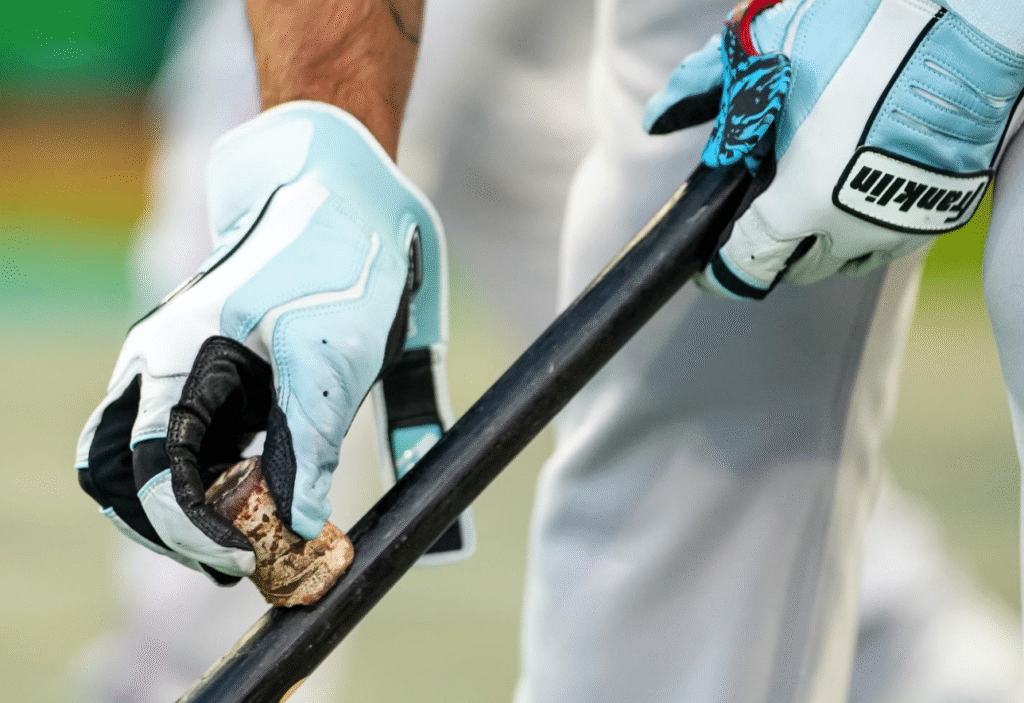
loanDepot park is more than a home field. It’s a stage where stories unfold, where emotion meets performance. The retractable roof opens like a curtain, revealing the Miami sky. The lights dim and rise to the beat of the crowd.
From families in the upper decks to season-ticket holders behind the plate, everyone contributes to the same atmosphere loud, lively, and unmistakably Miami. The stadium doesn’t separate the team from the fans; it connects them.
And the Marlins have made that connection intentional. Every design choice from the bright seats to the local food stands carries a piece of the city’s DNA. The music that echoes between innings feels familiar. The murals reflect the streets outside. The flavor, literally and figuratively, is local.
It’s baseball, yes. But it’s also culture art, sound, and community, all condensed into a single place.
What Makes Miami’s Fans Unique
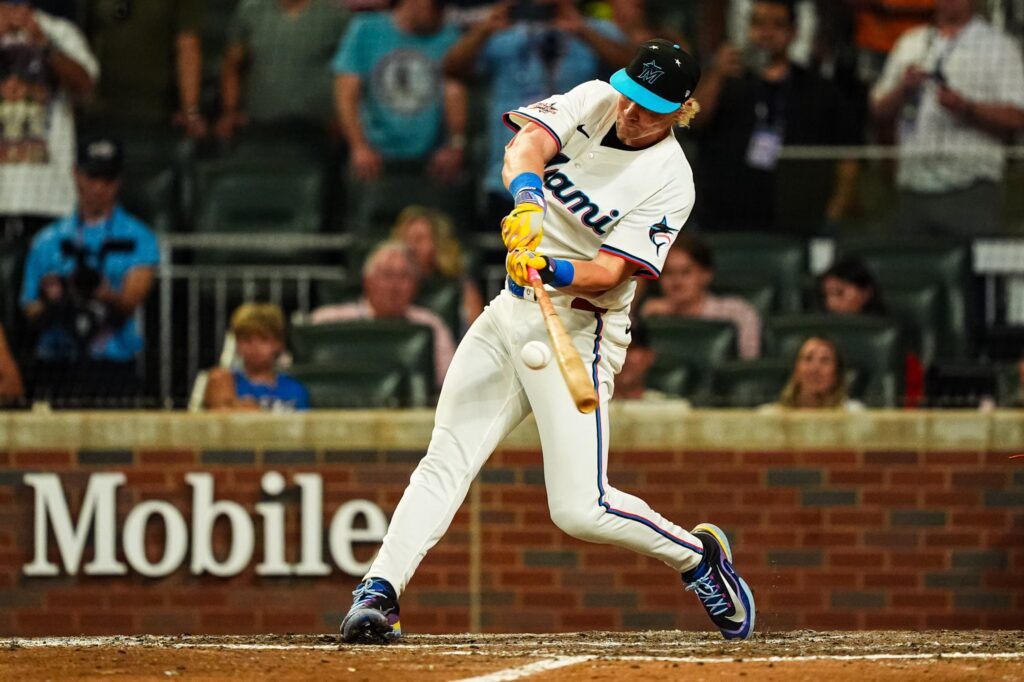
The Marlins’ fan base is as diverse and dynamic as the city itself. There’s no single type of supporter here.
In one section, you’ll find lifelong season ticket holders who’ve seen the franchise grow from the start. In another, you’ll see families attending their first game together. In the bleachers, groups of friends mix baseball with dancing, turning innings into mini block parties.
What binds them all is authenticity a sense that this team represents them, not just entertains them.
Together, they turn every game into a celebration not only of sport, but of identity.
The Power of Shared Moments

Baseball is slow enough to make you feel time long enough to build suspense, close enough to feel connection.
At a Marlins game, that pace becomes part of the magic. There’s time to talk, to laugh, to feel the heartbeat of the crowd.
When the ball arcs into the outfield, every eye follows. When a player slides home, every voice rises. When a favorite song fills the park between innings, strangers turn to each other and smile.
Those shared reactions, multiplied across thousands of people, become something intangible a reminder that community still exists in a world that often feels divided. That’s what the Marlins give Miami: not just entertainment, but unity.
More Than the Scoreboard
What the Marlins have built goes deeper than the game. Their outreach programs bring baseball to local schools and parks. Their foundation invests in education, food drives, and youth development. And their players many of whom grew up in multilingual, multicultural homes reflect the very spirit of the city.
For Miami, this matters. It’s a team that looks and sounds like its community, one that understands the importance of giving back. When players sign autographs for kids or join cleanup projects around town, it reinforces that bond that the Marlins aren’t just part of the city; they belong to it.
The organization has learned something vital: when you invest in people, they invest back in you.
What Love Looks Like in the Stands
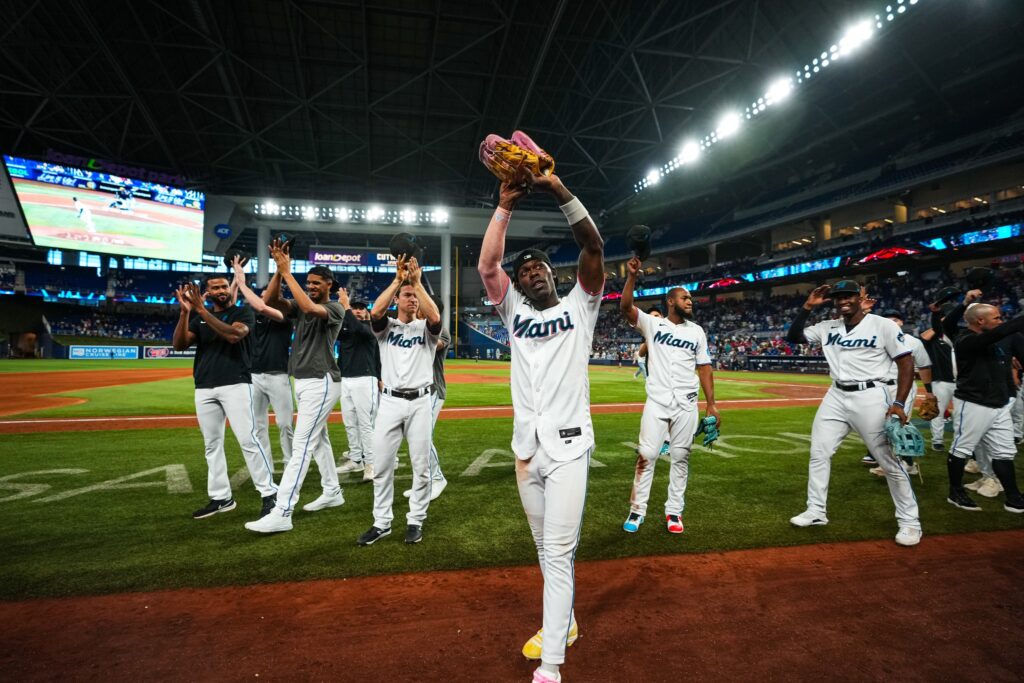
Every sport has fans, but not every city cheers like Miami. Here, love shows up in the details the father teaching his child how to score a game, the grandmother wearing her team cap like a crown, the group of friends high-fiving strangers after a big play.
It’s a love that’s noisy, colorful, and pure. A love that forgives losses and celebrates every win like it’s the first.
And when the crowd rises for the final out, when the noise peaks and the lights reflect off the roof, you can feel that collective heartbeat. It’s more than baseball. It’s belonging, joy, and pride wrapped into one moment that will live on long after the last pitch.
The Lasting Connection
For the Marlins, success isn’t just measured in standings it’s measured in memories. Every fan who walks into the stadium becomes part of something larger, part of a rhythm that beats through Miami’s core.
The roar of the crowd, the color of the seats, the scent of food in the air it’s all part of the same story. A story about people who show up, together, again and again. Because in this city, love for the game doesn’t fade when the lights go out. It carries into the streets, the neighborhoods, the next morning’s conversations.
And in that way, the Marlins have done something rare they’ve made baseball not just a sport, but a shared heartbeat for an entire city.