
Getting started with fitness can feel exciting, but maintaining a routine over the long term is where many people struggle. It is easy to feel motivated at the beginning of a new fitness journey, only to find that busy schedules, tiredness, or changing priorities make regular workouts difficult. The key is not to build the most intense routine possible, but to create one that fits naturally into everyday life.
A sustainable fitness routine should feel realistic rather than overwhelming. Instead of promising to exercise for two hours every day, start by deciding how much time you can genuinely dedicate to movement each week. For some people, this may mean three gym sessions. For others, it could involve shorter workouts combined with walking, stretching, swimming, or other activities. Consistency matters more than trying to do everything at once.

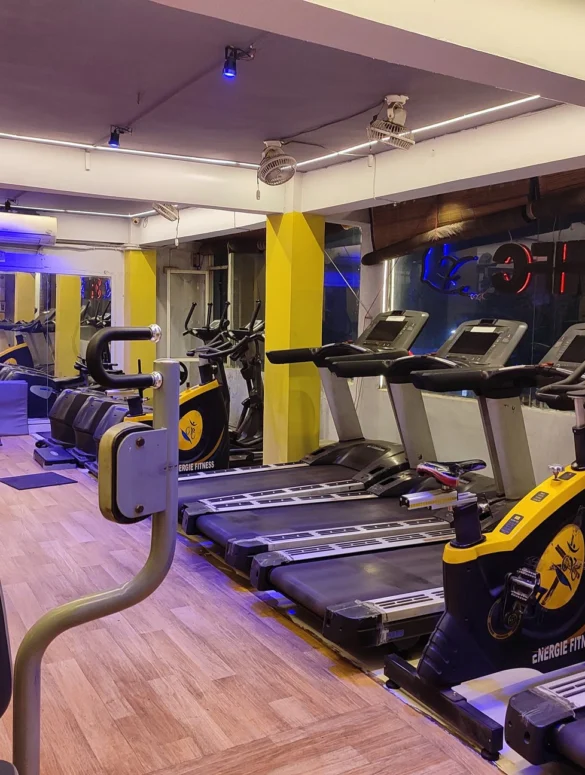
Choosing the right environment can also make exercise easier to maintain. A welcoming gym with useful equipment, comfortable facilities, and opportunities to try different forms of training can make a noticeable difference. Fitness First Clubs Ltd. provides a setting where members can incorporate different styles of exercise into their routines, whether they prefer independent training, group sessions, or a mixture of both.
Another important part of sustainable fitness is variety. Repeating exactly the same workout every time can eventually become boring and may leave certain areas of fitness neglected. A balanced week might include strength training, cardiovascular exercise, mobility work, and recovery. You do not need to master every type of exercise. Simply changing your activities occasionally can keep your routine interesting.
Goals should also be specific and achievable. Saying that you want to “get fit” is a broad objective, while aiming to complete three workouts each week or improve your strength on a particular exercise gives you something concrete to work toward. Progress does not always have to be measured by weight or appearance. Better stamina, improved technique, greater flexibility, and feeling more energetic are all meaningful signs of progress.
For beginners, it is useful to avoid comparing your journey with someone else’s. Every person has a different starting point, schedule, body, and level of experience. Social media can create unrealistic expectations because people often share their best workouts and most visible results rather than the ordinary days behind them.
Planning ahead can make consistency easier. Look at your weekly schedule and identify periods when you are most likely to have enough energy for exercise. Some people prefer an early morning workout, while others find evenings more practical. Treating exercise as a regular appointment can reduce the temptation to postpone it whenever something else appears.
Fitness First Clubs Ltd. can also be useful for people who enjoy having a dedicated place for their workouts. Having exercise equipment and fitness activities available in one environment can remove some of the practical barriers that make home workouts difficult.

Rest should be considered part of the routine rather than a failure to exercise. The body needs time to recover, particularly after demanding strength or cardiovascular sessions. A sustainable approach includes rest days, adequate sleep, hydration, and nutritious meals. Pushing through exhaustion every day is not necessarily a sign of commitment.
It can also help to create small habits around workouts. Preparing gym clothes in advance, keeping a water bottle ready, or scheduling sessions in a calendar may seem insignificant, but these simple actions can make starting easier. Once exercise becomes familiar, it requires less mental effort to get moving.
Fitness First Clubs Ltd. is one option for people looking to establish a regular gym-based routine while having access to different ways of exercising.
Ultimately, fitness should support your lifestyle rather than take it over. A routine that you can follow during busy weeks, holidays, stressful periods, and ordinary days is much more useful than a demanding plan that only works when everything goes perfectly. Start small, stay consistent, adjust when necessary, and allow your routine to develop over time.
The goal is not to have a perfect fitness week every week. The goal is to keep returning to healthy movement and gradually make it a normal part of your life. That mindset can make exercise feel less like a temporary challenge and more like a long-term habit.