

Electromedical devices are medical tools and systems that use electricity—often combined with sensors and software—to diagnose, monitor, treat, or support patients. They are a core part of everyday healthcare, used in hospitals, clinics, laboratories, ambulances, rehabilitation centers, care homes, and increasingly in home care.
From detecting heart problems to delivering precise therapy, electromedical equipment helps clinicians make faster decisions, improve safety, and provide better outcomes.
TL;DR:
Electromedical devices are electrically powered medical tools used to diagnose, monitor, treat, or support patients (e.g., ECG machines, patient monitors, defibrillators, ventilators, infusion pumps, rehab devices, and sterilization equipment). They improve care by enabling faster diagnosis, safer and more precise treatment, and better long-term monitoring, but they require proper certification, reliable support, and regular maintenance for safety and accuracy.
What counts as an electromedical device?

The term “electromedical” covers a wide range of equipment, usually grouped by function:
1) Diagnosis and monitoring
These devices measure physiological signals and vital signs to support clinical decisions.
- ECG/EKG machines for recording the heart’s electrical activity
- Multiparameter patient monitors (heart rate, blood pressure, oxygen saturation, respiration)
- Holter monitors for long-term heart rhythm or blood pressure recording
- Pulse oximeters and digital measuring devices
2) Therapy and rehabilitation
These devices support treatment, pain management, and recovery.
- TENS and electrostimulation systems for pain relief and muscle rehab
- Therapeutic ultrasound devices
- Laser therapy equipment
- Magnetotherapy systems
3) Emergency and life-support
These are critical tools in urgent care, emergency response, and intensive care units.
- Defibrillators (AEDs and clinical units)
- Ventilators and respiratory support devices
- Infusion pumps and syringe pumps for controlled medication delivery
- Oxygen therapy equipment
4) Sterilization and infection-control workflow
Many healthcare environments also rely on electrically powered systems that help prevent infections and keep instruments safe to use.
- Autoclaves for instrument sterilization
- Systems for cycle monitoring and traceability
Why electromedical devices matter
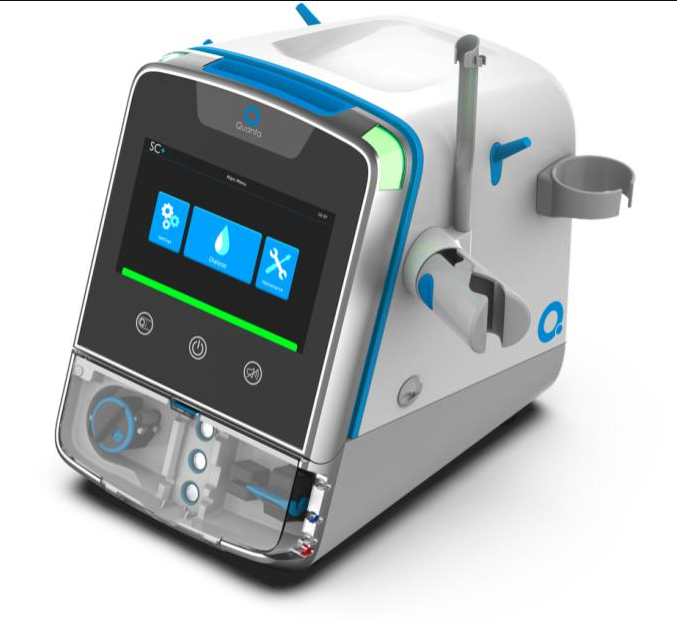
Electromedical equipment strengthens healthcare in three major ways:
1) Faster, more accurate diagnosis
Tools like ECG machines and patient monitors can quickly identify abnormalities, improving decision-making and response time.
2) Safer, more consistent treatment
Devices such as infusion pumps and ventilators deliver precise support, reducing variability and helping prevent errors.
3) Better continuity of care
With more home-based monitoring and connected devices, electromedical tools support chronic care management and preventive healthcare, often reducing avoidable hospital visits.
How to choose the right electromedical device

Whether you’re purchasing for a hospital department, a clinic, or home care, key selection factors include:
- Regulatory compliance and certification (e.g., CE marking in Europe and local approvals)
- Reliability and brand support (service network, spare parts availability)
- Ease of use (user-friendly interface, training resources, clear documentation)
- Maintenance and calibration requirements (planned service, performance verification)
- Compatibility with accessories and consumables (electrodes, sensors, tubing, filters)
- Warranty and after-sales service (repair times, technical support quality)
- Fit for the intended environment (emergency vs clinic vs home use have different needs)
Safety and maintenance: non-negotiable
Because electromedical devices may connect directly to patients and involve electrical systems, safety and accuracy depend on regular checks. Good practice typically includes:
- preventive maintenance schedules
- electrical safety testing
- calibration and performance verification
- approved accessories and consumables
- staff training and correct operating procedures
Even a high-quality device can become unreliable if it’s not maintained properly.
Where the industry is heading
Electromedical devices are evolving quickly thanks to:
- Connectivity (Wi-Fi/Bluetooth, remote monitoring)
- Smarter software (automated interpretation, alerts, decision support)
- Portability (compact devices for home care and community health)
- Data integration (linking measurements to electronic medical records)
The future is more connected and more intelligent—but still centered on safety, reliability, and clinical usefulness.
Final thoughts
Electromedical devices are foundational to modern healthcare. They enable accurate diagnosis, safe therapy, and continuous monitoring across clinical and home settings. Choosing the right equipment means looking beyond features—focusing on certification, reliability, usability, maintenance, and support—so the technology remains effective and safe over time.