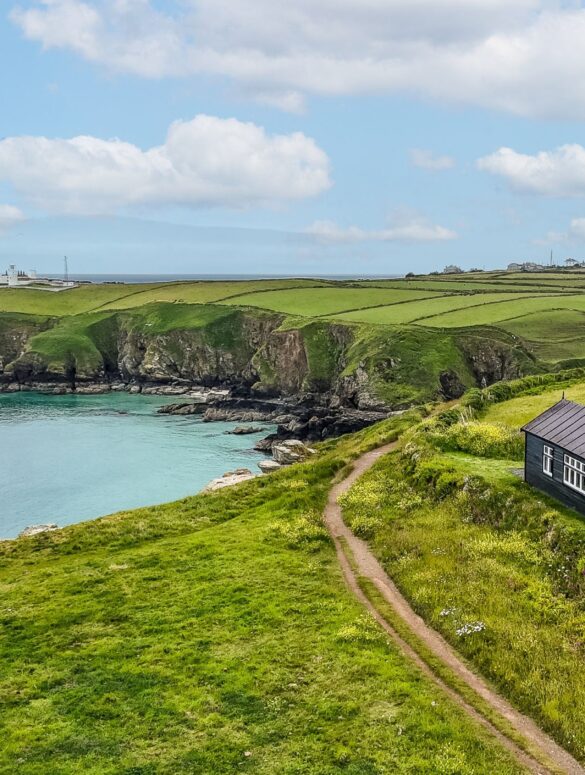
England’s countryside embodies a particular kind of beauty, gently rolling hills dotted with grazing sheep, ancient villages built from local stone, country estates surrounded by managed parkland and winding rivers reflecting centuries of pastoral tradition. A countryside retreat in these settings combines natural beauty with architectural heritage and genuine hospitality. These landscapes represent not just natural beauty but carefully managed environments shaped by human stewardship across generations. Estate getaways combine this environmental beauty with access to architecturally significant houses, often surrounded by working farms, lakeside walks and gardens that reward exploration. Rather than escaping to nature, country getaways offer an immersive experience of how English culture has historically related to land and landscape.
The Appeal of Country House Hospitality
Staying in a historic property or on a country estate offers an experience fundamentally different from conventional hotel accommodation. A countryside retreat provides more than accommodation; it immerses you in a carefully curated environment where details reflect historical periods and regional character. Fireplaces, stone walls, period furnishings and grounds surrounding the property create atmosphere impossible to replicate in standardized hotel rooms. Many visitors discover unexpected delight in small details, the library of leather-bound books, the china patterns used for breakfast, the particular way light filters through Georgian windows. National Trust Holidays provides access to extraordinary properties positioned as gateways to regional countryside and connected to broader estate landscapes.
Walking as Spiritual Practice
England’s countryside is traversable on foot in ways many landscapes aren’t. Public footpaths cross private estates, allowing walkers to experience the full sweep of a landscape without trespassing. This network of paths, developed over centuries as people moved between villages and workplaces, creates a democratic approach to land access. Walking these routes connects you to generations of foot traffic, you’re literally following paths worn by centuries of human passage. The physical rhythm of walking promotes contemplation and emotional regulation in ways difficult to achieve in everyday life. The English countryside rewards walking at an unhurried pace, encouraging you to notice details, bird calls, seasonal changes in vegetation, the particular way light plays across fields. National Trust Holidays accommodations typically provide access to extensive walking networks and curated walking guides.
The Seasons and Countryside Rhythms
English countryside transforms dramatically across seasons. Spring brings lambing and wildflower explosions; summer offers long days and lush green; autumn displays spectacular foliage and harvest traditions; winter reveals bare landscapes and stark architectural beauty of houses visible beyond summer leaf cover. Estate visits at different times of year provide fundamentally different experiences. Spring visits showcase garden development and agricultural renewal; summer allows full exploration of extensive grounds and outdoor dining; autumn provides solitude and contemplative mood; winter visits emphasize interior spaces and fireside comfort. Understanding these rhythms helps you choose countryside retreat timing that aligns with what you want to experience and enjoy. The seasonal calendar still drives rural English life in many ways and estate visits connect you to these traditional patterns.
Estate Villages and Local Community
Historic estates often include villages developed to house estate workers and serve the landowner’s needs. These villages frequently retain distinctive architectural character reflecting their estate origins. Walking through them reveals social organization of pre-industrial and early industrial England, cottages for workers, larger houses for managers, village greens for common use. Many villages have evolved into thriving contemporary communities while retaining historical character. Local pubs, shops and tea rooms provide authentic engagement with rural English culture beyond the estate itself. This broader exploration contextualizes the estate within genuine community and landscape. National Trust Holidays properties often provide these village connections, encouraging guests to explore beyond formal estate boundaries.
Agricultural Heritage and Landscape Management
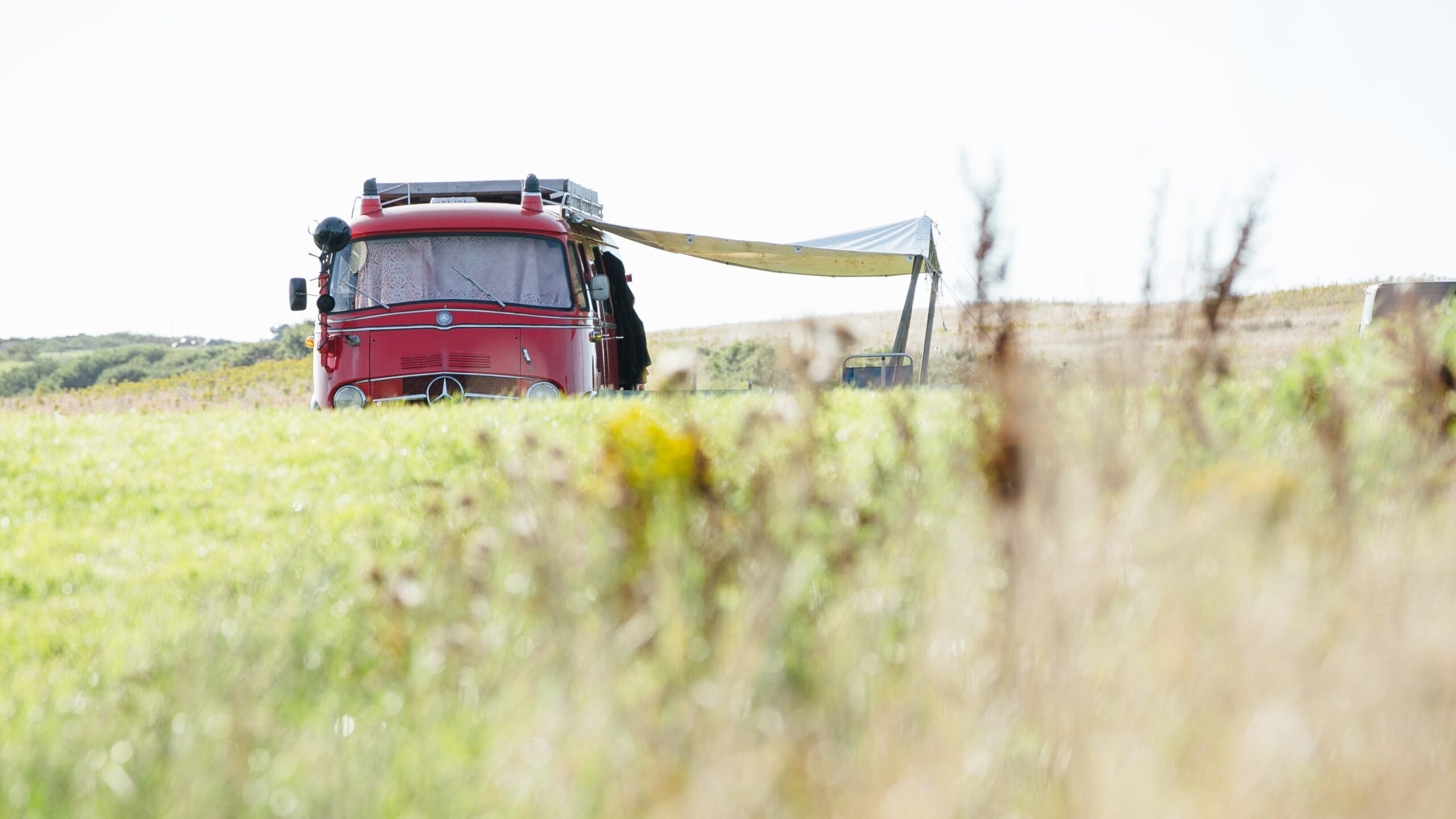
English countryside landscapes were created and maintained through agricultural practices developed over millennia. Different regions specialize in different agricultural products, sheep grazing in upland areas, grain cultivation in flatter regions, orchards in certain areas, dairy farming in others. These practices shaped settlement patterns, estate organization, architecture and even dialect differences. Many estates continue agricultural operations that helped create historical landscape character. Understanding these connections enriches countryside experience and deepens appreciation for both historical and contemporary land management. Educational programs and estate staff often explain these relationships, transforming landscape observation into learning about agricultural and environmental history. National Trust Holidays
Rest and Restoration in Rural Settings
Extended country getaways offer genuine restoration that’s difficult to achieve in urban centers. The absence of traffic noise, the presence of natural sounds, birds, wind, running water, the slower pace of rural life and the abundance of natural light create conditions for genuine rest. Many visitors report sleeping better in countryside retreat settings and returning home with genuine restoration rather than just fatigue relief. The quiet, combined with access to walking and natural beauty, creates conditions for reflection and perspective. This restorative capacity makes country estate stays valuable not just as tourism experiences but as legitimate wellness practices supporting mental and physical health. National Trust Holidays
- Plan countryside retreat visits considering seasonal variation and what different seasons offer
- Combine estate exploration with village visits and broader countryside walking
- Allow sufficient time to experience dawn and dusk, when light and quietness are most striking
- Engage with local knowledge through estate guides and village explorations
- Approach the visit with contemplative mindset rather than exhaustive activity schedules
English countryside estate getaways offer escape from contemporary life pressures while providing enriching engagement with history, landscape and culture. The combination of architectural heritage, managed landscape beauty, walking opportunities and genuine hospitality creates experiences that restore perspective and wellbeing while deepening appreciation for the English cultural landscape across time.