
Mamma Mia The Party is an experiential dinner show that combines immersive theatre, live music, food, and community energy into a single celebration, creating a space where guests feel part of the experience rather than passive observers and helping them connect with one another through shared moments of performance, story, and festivity.
Blending Theatre, Music, and Communal Experience
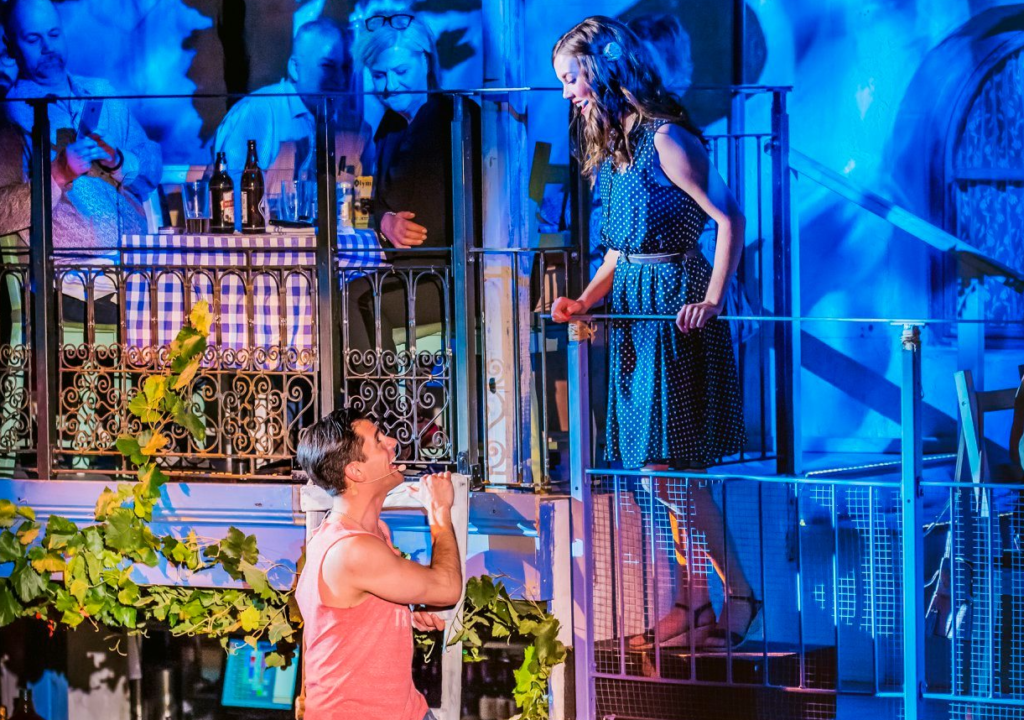
Live theatre has long drawn people together, but when narrative, music, and audience participation merge, the experience becomes something that feels less like watching and more like belonging. Mamma Mia The Party takes this idea a step further by structuring its performance in a way that invites guests into the action itself, encouraging interaction rather than separation.
Performers weave through the setting, engaging with attendees in moments that feel natural rather than staged, and this dynamic helps break down barriers between stage and audience. By prioritising connection over observation, the event makes attendance feel like participation, allowing shared reactions and collective energy to become part of the memory.
This blending of roles encourages people to co-build the experience rather than merely consume it.
Designing Atmosphere to Feel Authentic and Inclusive

Atmosphere plays a central role in how people perceive live experiences, and here it is shaped with intention to support both immersion and comfort. Decor, lighting, and set elements work together to transport guests into a carefully crafted environment, yet the design avoids overwhelming spectacle in favour of a sense of belonging.
Tables and seating are arranged to enable eye contact, conversation, and shared moments, while performers move fluidly through the space to maintain a feeling of presence rather than separation. Ambient sound, pacing, and transitions are calibrated so that shifts from dining to performance feel organic rather than abrupt.
By integrating these elements, the environment supports emotional investment without sacrificing clarity or ease.
Music as a Narrative and Communal Thread

In this context, music is not merely an addition to the evening, but a connective thread that carries emotional weight and invites participation. Songs are woven into the storytelling in ways that elevate rather than interrupt, linking scenes and shared activities with familiar melodies that heighten engagement. This duality where music feels both intimate and communal helps sustain energy and connection throughout the evening. Rather than an abstract soundtrack, the music becomes a language of shared presence.
At the point where guests decide what matters most in a live experience like this, several practical facets tend to shape overall satisfaction and connection.
- A clear sense of entrance and welcome that reduces initial uncertainty.
- An environment where seating supports vision lines without isolating guests.
- Integration of performance and space that reduces separation between actors and audience.
- Transitions between courses and scenes that feel smooth rather than disruptive.
Culinary Design That Complements Performance

Food in live experiences can feel like an afterthought, yet here it is woven into the rhythm of the evening with deliberation. Dishes are timed to align with changes in the performance, helping anchor moments of transition and supporting the overall flow.
Menus are designed to be both satisfying and shareable, reinforcing the communal dimension of the event rather than isolating guests in individual routines. Flavours, presentation, and course progression all contribute to an experience that feels cohesive rather than segmented into unrelated parts. By calibrating culinary choices to sit alongside performance rather than act in isolation, the evening feels more unified and complete.
Mamma Mia The Party demonstrates how live entertainment can transcend passive observation through careful integration of space, music, design, and service.
By creating an environment where guests are encouraged to feel present, connected, and comfortable participating at their own pace, the experience becomes less like a performance to watch and more like a shared event to inhabit, leaving lasting impressions rooted in connection rather than spectacle.