
Ask anyone in maintenance what really shuts down a system, and it’s often not the pump or the motor. It’s a small connector that fails under pressure or a hose that wasn’t quite right for the fluid running through it. The big parts get the glory, but the small ones can bring an entire line to a halt.
That’s why sourcing fittings, hoses, and connectors isn’t just an afterthought. It’s one of the smartest ways to prevent downtime. Tameson knows this, and instead of treating the “small parts” like filler in a catalog, they’ve built an entire selection system that makes these pieces easy to understand, choose, and trust.
TL;DR
Tameson supplies the fittings, hoses, and connectors that keep industrial systems sealed, safe, and running smoothly. With a catalog that spans brass, stainless steel, and plastic, plus resistance charts and sizing guides, they make it simple to match parts to real conditions. Transparent delivery times and durable equipment help teams track progress without the usual uncertainty.
What Their Fittings and Tubes Include
- Brass, stainless steel, and plastic fittings for different media
- Pneumatic tubing in multiple diameters and materials
- Flexible hoses for water, gas, and compressed air
- Connectors and adapters for mixed system compatibility
- Seals, gaskets, and accessories that close the loop
Why the Small Parts Cause Big Problems
It’s tempting to think of fittings and hoses as commodities interchangeable, cheap, easy to replace. But anyone who has dealt with a system leak knows the reality: when a connector fails, the cost is downtime, wasted product, and often safety risks.
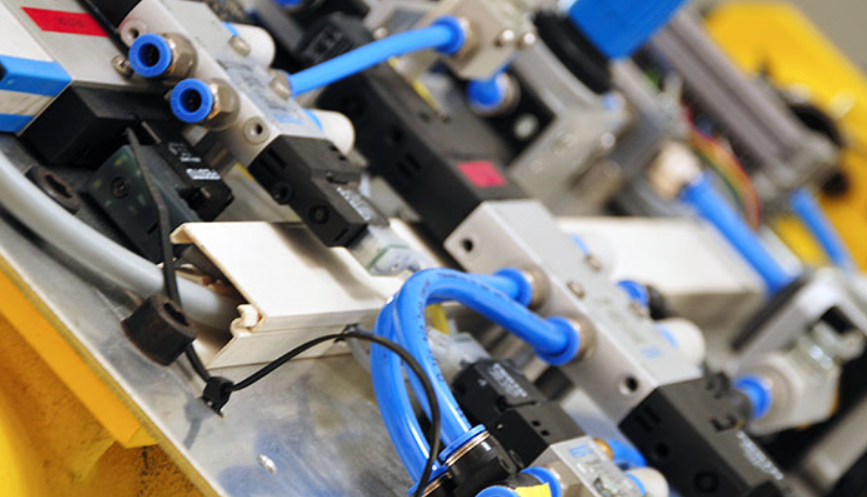
The problem usually isn’t that a part was defective. It’s that the wrong material or size was chosen in the first place. Stainless might have been required for chemical resistance, but brass was ordered instead. A hose rated for water pressure got used in compressed air. The details matter, and the wrong choice snowballs into costly fixes.
How Tameson Cuts Out the Guesswork
Most suppliers bury you under options without guidance. Tameson takes the opposite approach. They provide chemical resistance tables, pressure ratings, and sizing guides that let you see exactly what material or diameter makes sense for your application. Pneumatic tubing? You’ll know whether polyurethane or nylon will handle your pressure range. Flexible hoses? You’ll see the temperature and media compatibility before you hit “buy.”
This turns what could be a gamble into an informed choice. Instead of discovering three months later that a seal has degraded, you prevent the issue up front.
Keep the Projects Moving
Even when you’ve nailed down the right connector, the next worry is delivery. Too many times, small components get back-ordered or hidden behind vague lead times, leaving projects stuck waiting for parts that cost less than lunch.
Tameson addresses that with stock visibility right on product pages. You can see if the part is ready to ship, and if it’s not, you know exactly how long it will take. That transparency means you can plan installs realistically, keeping projects on track rather than scrambling last minute.
Durability Pays Off
Durable equipment isn’t just about saving money on replacements. It’s about safety and workflow continuity. When fittings hold their seal, hoses resist wear, and connectors stand up to repeated use, teams don’t waste time revisiting the same fix. That reliability builds momentum, letting projects finish faster and maintenance crews spend less time firefighting.
For businesses, that’s where the hidden ROI lives. It’s not about shaving pennies off the purchase price, it’s about preventing hours of lost production.
It All Connects
The reality is simple: fittings and connectors may never be the star of a system, but they decide whether the system performs or fails. By treating these parts with the same attention usually reserved for bigger equipment, Tameson makes it possible to build systems that run longer and smoother.
Instead of drowning buyers in part numbers, they provide clarity. Instead of vague shipping promises, they provide transparency. And instead of equipment that fails under pressure, they deliver components that stand up over time.
For engineers and teams tired of chasing down leaks or waiting on back-ordered hoses, this approach turns small parts into big wins.