
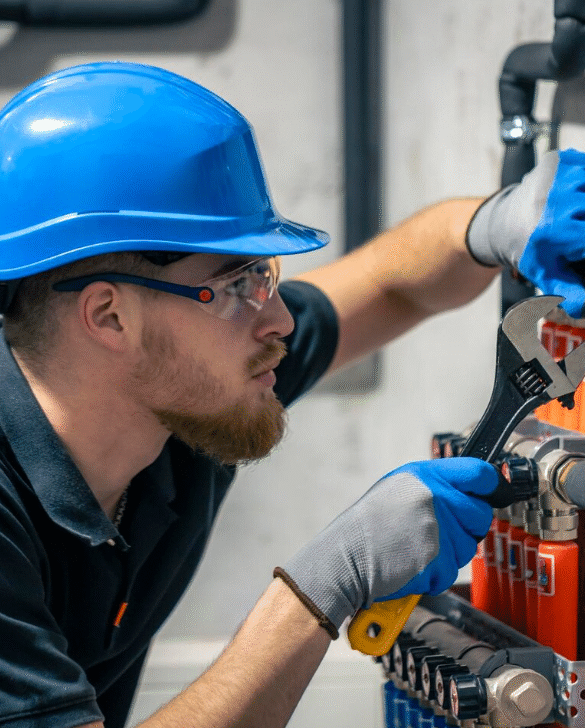
There’s a quiet anxiety that comes with ordering industrial parts. You click through endless listings, skim product codes that all look the same, and hope what you’re buying will actually hold up in the system you’re building. Then there’s the hidden stress will it ship on time, can you return it if something’s wrong, or are you locked in once the order’s placed?
That’s where Tameson stands out. Instead of piling on complexity, they try to strip it back to essentials. The company offers a wide catalog of industrial components, but the experience is built around clarity: clear delivery times, straightforward return terms, and a reputation for service that makes engineers and procurement teams come back.
TL;DR
Tameson isn’t just a warehouse full of parts. It’s a platform that blends variety with transparency. From valves and pneumatics to fittings and seals, their catalog includes brands engineers already trust. Reviews highlight fast delivery and responsive support, and their terms and conditions are written to minimize risk for buyers. The payoff is simple: fewer surprises, better planning, and durable equipment that helps track progress without stalls.
What You’ll Find in the Catalog
- Valves from names like GSR, Burkert, and ODE, covering solenoid, ball, butterfly, and check types
- Pneumatics such as actuators and cylinders from SMC, Camozzi, and Aventics
- Fittings, tubing, and hoses sourced from Legris, John Guest, and Parker for compatibility across systems
- Seals, adhesives, and lubricants from suppliers like Loctite and Trelleborg
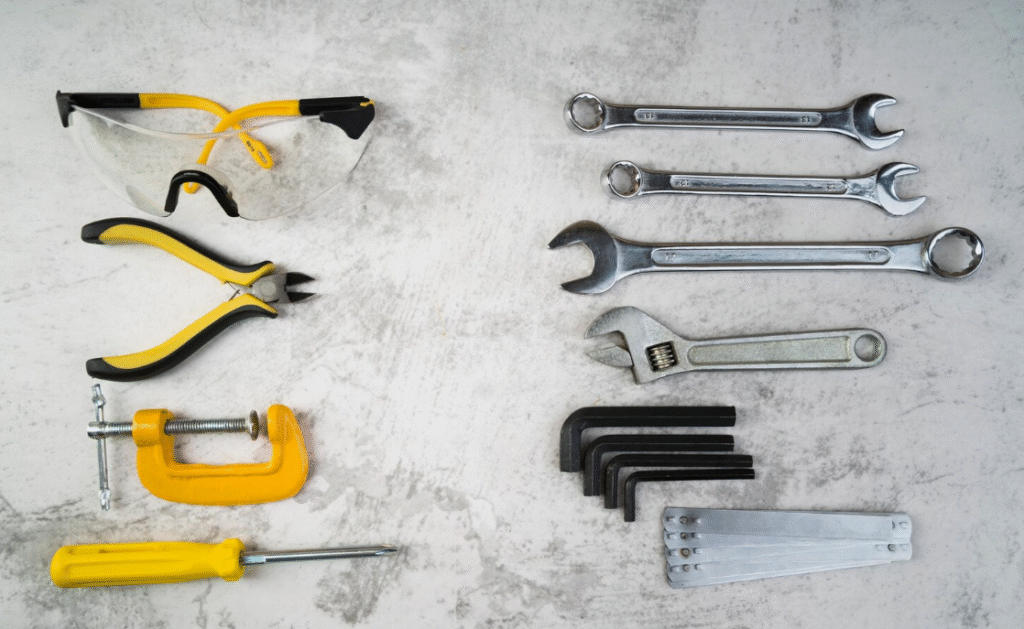
- Filters, measurement devices, and safety gear with options from Norgren and Festo
This variety means a project manager can place one order instead of juggling multiple vendors. It’s less paperwork, fewer mismatched specs, and fewer delays from scattered supply chains.
What Customers Actually Say
Reviews are often more revealing than catalogs. One customer described the process as “fast delivery and great service,” while another said, “everything was well explained.” These aren’t dramatic quotes, but that’s the point. They show consistency. Parts arrive when expected, and the buying process doesn’t leave engineers guessing.
When your job depends on systems staying online, that kind of reliability is worth more than marketing promises.
Terms That Build Confidence

Buying industrial parts always comes with some risk maybe you misread a spec, or the wrong item was shipped. Tameson’s terms and conditions are designed to lower that risk.
Orders are confirmed quickly and delivery costs are shown up front. Returns are allowed within 30 days, giving buyers breathing room if something doesn’t fit. Exchanges work through a simple reorder-and-return process, which sounds minor but saves teams from back-and-forth negotiations. Warranties follow clear European standards, so expectations are set before problems arise.
In practice, this clarity reduces wasted time. Instead of procurement getting stuck in disputes, teams can correct mistakes and move on. That kind of support quietly keeps projects on schedule.
Why It Matters in the Real World
A solenoid valve or pneumatic fitting may not look like a critical business decision, but when the wrong one holds up a project, the costs escalate fast. Every delay ripples: installers wait, budgets stretch, and downtime adds up.
What Tameson does is create guardrails against those hidden costs. By combining durable equipment, stock visibility, and transparent policies, they let teams plan around real numbers instead of rough guesses. It’s less about selling another component and more about protecting workflows from the slow bleed of uncertainty.
Where Confidence Comes From
Industrial supply isn’t glamorous, but it touches every project timeline and budget. Tameson earns trust by focusing on the details that usually cause friction mismatched parts, vague shipping, or return policies buried in fine print.

For engineers, that means fewer dead ends when specifying components. For managers, it means fewer late nights explaining why a project is behind schedule. For businesses, it means consolidating multiple suppliers into one system that scales.
And for you, the reader who has probably spent too much time scrolling through catalogs, it means ordering without wondering what surprise is waiting down the line.