

Electromedical devices are medical technologies that use electricity—often combined with sensors, software, and digital monitoring—to diagnose, treat, monitor, or support patients. They are essential in hospitals and clinics, but they also play a growing role in rehabilitation centers, care homes, ambulances, and even home healthcare.
In short: if modern medicine relies on accurate data, safe treatment delivery, and fast intervention, electromedical equipment is one of the main reasons it can do that.
TL;DR:
Electromedical devices are electrically powered medical tools used to diagnose, monitor, treat, or support patients (e.g., ECG machines, patient monitors, defibrillators, ventilators, infusion pumps, rehab devices, and sterilization systems). They improve healthcare by enabling faster diagnosis, safer treatments, and better ongoing care, but they require proper certification, reliable support, and regular maintenance for safety and accuracy.
What counts as an electromedical device?

“Electromedical” is a broad category. It covers many different types of equipment, typically grouped by purpose:
1) Diagnosis and monitoring
These devices help clinicians measure and track vital signs or physiological signals.
- ECG/EKG machines (electrocardiographs)
- Patient monitors (heart rate, blood pressure, oxygen saturation, respiration)
- Holter monitors (cardiac rhythm or blood pressure over 24–48 hours)
- Pulse oximeters and digital diagnostic tools
2) Therapy and rehabilitation
These systems support treatment plans, pain management, and recovery.
- TENS and electrostimulation devices for pain relief and muscle rehab
- Therapeutic ultrasound systems
- Laser therapy equipment
- Magnetotherapy and physiotherapy devices
3) Emergency and life-support equipment
These devices are critical for urgent and intensive care settings.
- Defibrillators (AEDs and clinical defibrillators)
- Ventilators and respiratory support systems
- Infusion and syringe pumps for controlled medication delivery
- Oxygen therapy equipment
4) Sterilization and infection control (in clinical workflows)
While not always labeled “electromedical” in everyday language, many facilities include electrically powered sterilization systems as part of their core medical equipment.
- Autoclaves for instrument sterilization
- Monitoring and traceability systems for sterilization cycles
Why electromedical devices are essential
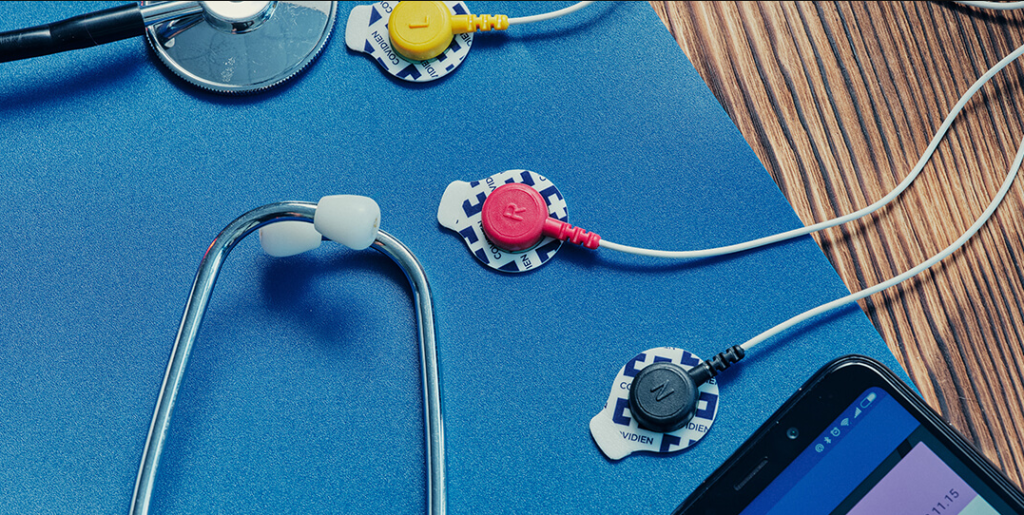
Electromedical equipment impacts healthcare in three major ways:
1) Faster, more accurate diagnosis
Tools like ECG machines and multiparameter monitors can detect abnormalities early and help clinicians make informed decisions quickly.
2) Safer and more consistent treatment
Devices such as infusion pumps and ventilators deliver precise support, reducing the risk of human error and improving patient outcomes.
3) Better continuity of care and prevention
With the growth of home monitoring and connected health tools, electromedical devices help track chronic conditions, reduce hospital readmissions, and support preventive care.
How to choose the right electromedical device
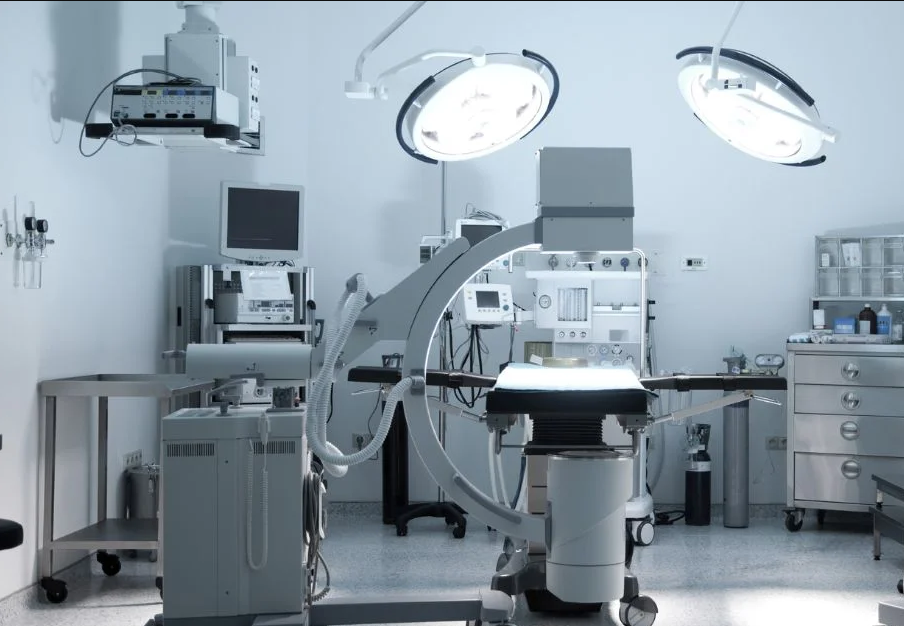
Whether you’re a clinic manager, healthcare professional, or purchasing for home care, these are the most important factors to evaluate:
- Regulatory compliance and certification (e.g., CE marking in Europe, other local approvals)
- Reliability and brand support (service network, spare parts availability)
- Ease of use (intuitive interface, clear documentation, training availability)
- Maintenance and calibration requirements (planned servicing, safety checks)
- Accessory and consumable compatibility (electrodes, sensors, tubing, filters)
- Warranty and after-sales support (response times, repair policies)
- Use case fit (hospital ward vs. ambulance vs. home care needs differ significantly)
Maintenance and safety: non-negotiable
Because electromedical devices interact directly with patients—and often with electricity—safety is critical. Facilities typically implement preventive maintenance programs, including:
- electrical safety testing
- performance verification and calibration
- software updates where applicable
- safe use of approved consumables and accessories
- staff training and correct operating procedures
A high-quality device can still become unsafe or inaccurate if it isn’t properly maintained.
Where the industry is heading
Electromedical devices are evolving rapidly due to:
- Connectivity (Wi-Fi/Bluetooth, cloud dashboards, remote monitoring)
- Smarter software (decision support, trend alerts, automated interpretation—especially in ECG systems)
- Miniaturization (portable monitors and home-care devices)
- Data integration with electronic medical records and hospital systems
The direction is clear: more connected, more intelligent, and more patient-centered—while keeping safety and reliability at the core.
Final thoughts
Electromedical devices are foundational to modern healthcare. From diagnosis and monitoring to life support and rehabilitation, they improve clinical accuracy, treatment safety, and long-term care outcomes. Choosing the right equipment means looking beyond features—toward certification, reliability, usability, maintenance, and support—so the technology remains safe and effective over time.