Stranger Things has always balanced the familiar with the unsettling. Stranger Things: The First Shadow takes that balance and reinterprets it through the language of theatre, offering an origin story that feels deliberate, restrained, and surprisingly intimate. Rather than attempting to replicate the energy of the television series, the production rethinks how the world of Hawkins can exist in a live setting.
This is not spectacle for its own sake. The show positions itself as narrative theatre first, using scale and effects only where they deepen emotional impact. That choice gives the production a confidence that separates it from many screen-to-stage adaptations.
Experience Highlights At A Glance
- Cinematic Stage Production: Blends large-scale set design, practical effects, and precise lighting to create a theatrical experience that feels visually immersive without relying on screens.
- Original Canon Prequel Story: Expands the Stranger Things universe with a narrative written in collaboration with the original creators, giving fans meaningful backstory rather than recycled plotlines.
- West End Level Performances: Delivers tightly controlled performances that ground the supernatural elements in emotional realism, making the story engaging even for non-fans.
- Immersive Sound And Visual Design: Uses layered soundscapes and subtle visual transitions to build tension and atmosphere in ways unique to live theatre.
- Accessible Entry Point For New Audiences: Stands alone as a complete story, allowing first-time viewers to engage without prior knowledge of the Netflix series.
View all details on Stranger Things: The First Shadow
A Prequel That Respects The Audience
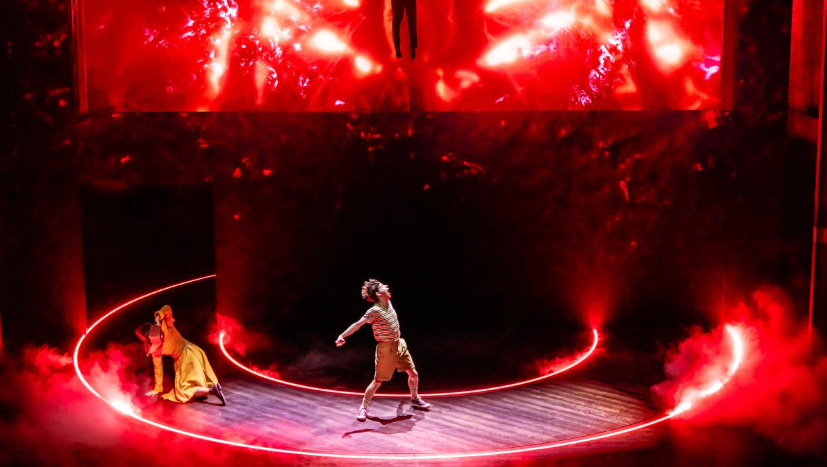
Set years before the events of the series, the story focuses on Hawkins before it becomes synonymous with mystery. Characters appear in earlier forms, shaped more by uncertainty than heroism. This temporal distance allows the production to explore themes of identity, fear, and belonging without leaning on recognition alone.
For longtime fans, the experience adds context. Moments feel charged because the audience knows what is coming, even when the characters do not. For newcomers, the story unfolds cleanly, without dependence on existing lore. This balance makes the show accessible while still rewarding attention.
The writing avoids over explanation. Instead, it trusts the audience to connect dots, letting implication do more work than exposition.
Theatre As A Strength, Not A Constraint
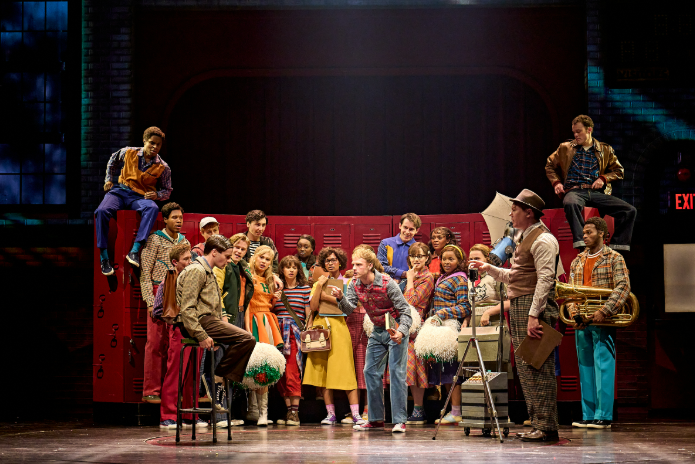
Rather than treating the stage as a limitation, The First Shadow leans into what live performance does best. Scene changes happen fluidly, often in view of the audience, reinforcing the sense that reality in Hawkins is unstable and porous.
Visual effects are carefully integrated. They arrive sparingly, which makes them more effective. When the supernatural intrudes, it feels earned rather than expected. This restraint keeps focus on performance and story rather than mechanics.
Sound design plays a crucial role. Low frequency hums, distant echoes, and sudden silences guide emotional response without dictating it. The result is tension that builds gradually, drawing the audience inward.
Performances That Anchor The Story
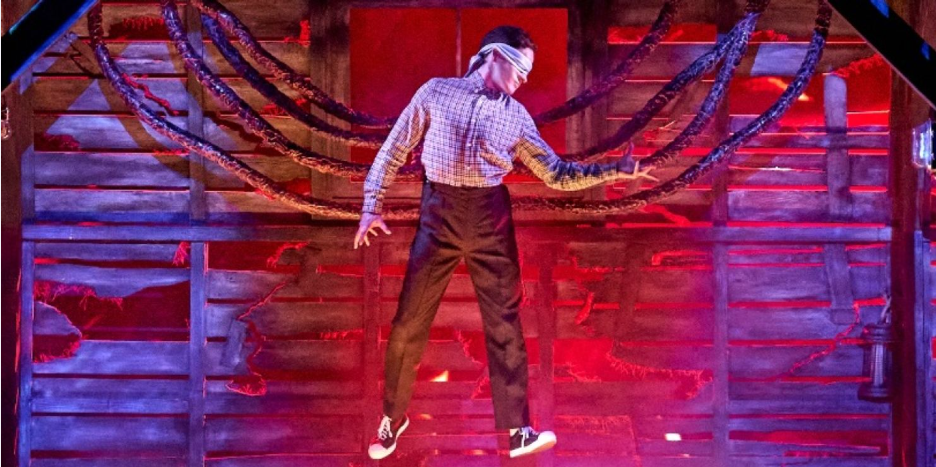
The cast delivers performances that feel grounded and controlled. Characters are portrayed as people first, not archetypes. This realism gives weight to moments where the story shifts into darker territory.
Actors navigate emotional transitions with subtlety. Small gestures and pauses carry as much meaning as dialogue. This approach suits the stage well, creating intimacy even within a large venue.
The ensemble works cohesively, maintaining tonal consistency throughout the production. No single performance overwhelms the others, reinforcing the sense of a shared world rather than individual showcases.
Design That Suggests Rather Than Explains
Set and costume design focus on suggestion. Locations are implied through structure, texture, and movement rather than literal replication. This abstraction allows scenes to move quickly while preserving atmosphere.
Costumes place the story firmly in its era without leaning into nostalgia. Clothing feels lived-in and practical, supporting character rather than distracting from it.
Lighting design is particularly effective. Shifts in color and intensity guide the audience through emotional and narrative transitions, often signaling danger before it fully arrives.
An Experience That Extends The Universe Thoughtfully
What makes Stranger Things: The First Shadow compelling is its sense of purpose. It does not exist simply to capitalize on a popular name. Instead, it adds dimension to the larger story by exploring how ordinary environments can give rise to extraordinary consequences.
The production feels carefully aligned with the tone of the series without mimicking it. Humor is present but restrained. Fear is psychological rather than relentless. This tonal discipline allows the show to stand confidently on its own.
Event Theatre Without Excess
The show positions itself as an event, but it resists excess. There is no pressure to overwhelm. Instead, the experience unfolds with patience, trusting atmosphere and performance to do the work.
Audience reaction becomes part of the experience. Gasps, silences, and collective tension remind viewers that live theatre thrives on shared presence. This immediacy distinguishes the production from its screen-based origins.
A Confident Expansion Of A Familiar World
Stranger Things: The First Shadow succeeds by understanding its medium. It uses theatre to explore origin, memory, and fear in ways television cannot. Rather than retelling what audiences already know, it reframes the universe from a different angle.
For fans, it deepens appreciation of the series. For newcomers, it offers a self-contained story that stands on its own merits. That dual appeal is difficult to achieve, and it is what makes this production feel considered rather than derivative.
As live storytelling, The First Shadow demonstrates how popular worlds can evolve without losing integrity. It proves that adaptation does not have to mean dilution, and that some stories gain power when told in the same room as their audience.