

Choreography in a large musical is not limited to decorative dance. It can establish social rules, direct attention and reveal who belongs at the center of a room. When a production uses parties and public gatherings as important dramatic spaces, the ensemble becomes part of the plot. A theatergoer who wants to study that movement can explore The Great Gatsby Broadway and watch how choreography organizes excitement, status and conflict.
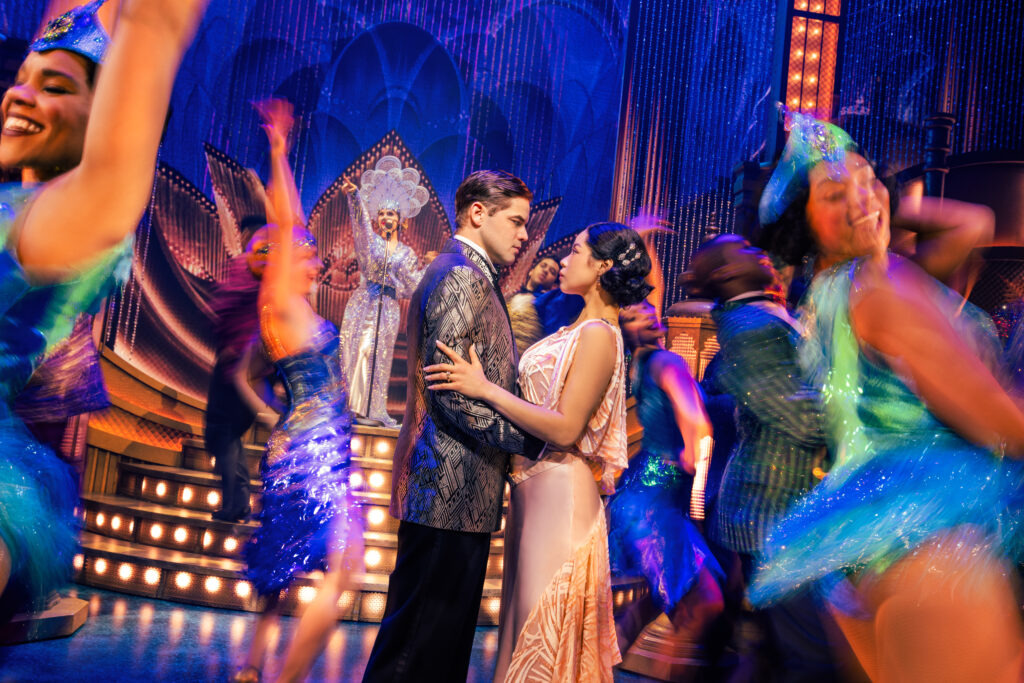
Crowd movement creates a social world
An ensemble scene tells the audience how a community behaves before any individual explains it. Dancers may enter with the same posture, repeat a shared gesture or move in patterns that suggest confidence and familiarity. A character who cannot match that rhythm immediately appears separate, even when the dialogue remains friendly.
Spacing communicates hierarchy. A wide opening around one person can make that figure seem powerful or exposed. Tight clusters can suggest gossip, competition or social dependence. When the ensemble repeatedly turns toward the same character, the audience understands that attention itself has become a form of pressure.
Entrances and exits affect pace. A stream of performers can make a gathering feel endless, while a sudden clearing of the stage creates emotional focus. The choreographer can shift from broad movement to a single gesture in a way that makes the private story emerge from the public event.
A viewer can examine The Great Gatsby Broadway and notice how the ensemble changes its relationship to Gatsby, Nick, Daisy and the other central figures. The dancers do not merely surround the leads. Their movement defines the environment in which every promise, impression and mistake is judged.
Individual choices remain visible inside spectacle
A strong crowd sequence gives each performer a clear purpose. Some figures may welcome a newcomer, while others observe from a distance. These smaller actions prevent the stage from becoming a single moving background. They also reward an audience member who looks beyond the central couple for brief reactions and changing alliances.
Partner work can reveal character relationships without repeating the dialogue. A supported turn may show trust, while a missed hand or broken formation can indicate hesitation. The physical distance between two performers may grow before their emotional separation is openly discussed.
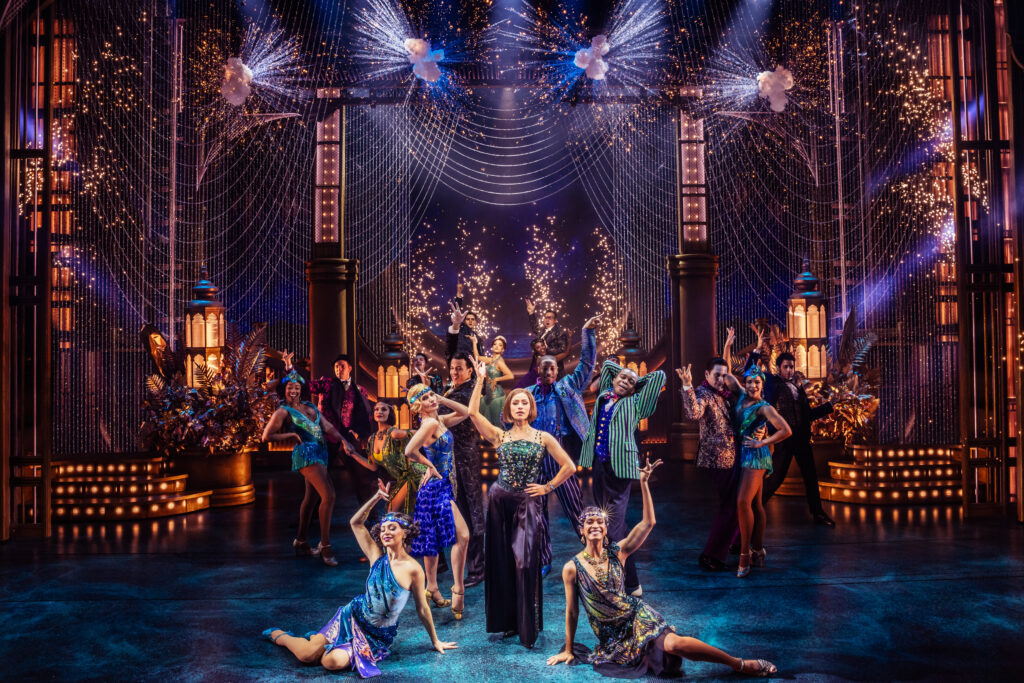
Repetition makes disruption meaningful. Once the audience understands a pattern, one performer moving against it becomes important. A character who stops while everyone else continues may appear trapped by a thought. A late entrance into a formation can suggest an effort to join a world that was already functioning without that person.
A theatergoer can explore The Great Gatsby Broadway and follow one ensemble member through a major sequence rather than watching only the most obvious focal point. That method reveals how the production builds a believable social event from many controlled decisions.
Movement details worth watching
Several visual cues help the audience read choreography as narrative rather than pure decoration.
- A formation that opens or closes around a character can signal changing access to the group.
- Repeated gestures can establish a social code that makes later disruption more visible.
- Partner changes may reflect shifting loyalty, attraction or competition within the scene.
- A viewer can use The Great Gatsby Broadway to compare the energy of public celebrations with quieter physical encounters.
- A sudden stillness can carry as much dramatic weight as the fastest section of dance.
Choreography controls attention without stopping the story
The audience rarely looks at every performer at once. Choreography therefore guides the eye through levels, direction and timing. A lifted arm can lead attention across the stage. A diagonal line can point toward an entrance. A group turning away can leave one character visually exposed without changing the scenery.
The relationship between dance and music is equally important. Movement may land directly on the beat during a confident celebration, then loosen when the atmosphere becomes less secure. A phrase that begins in perfect unison can gradually separate into individual choices, showing that the apparent unity was temporary.
Costumes and set pieces also affect movement. Stairs, tables and large architectural elements create pathways that performers must navigate. The choreographer can use those obstacles to establish status, force encounters or delay a character who is trying to reach someone across the stage.
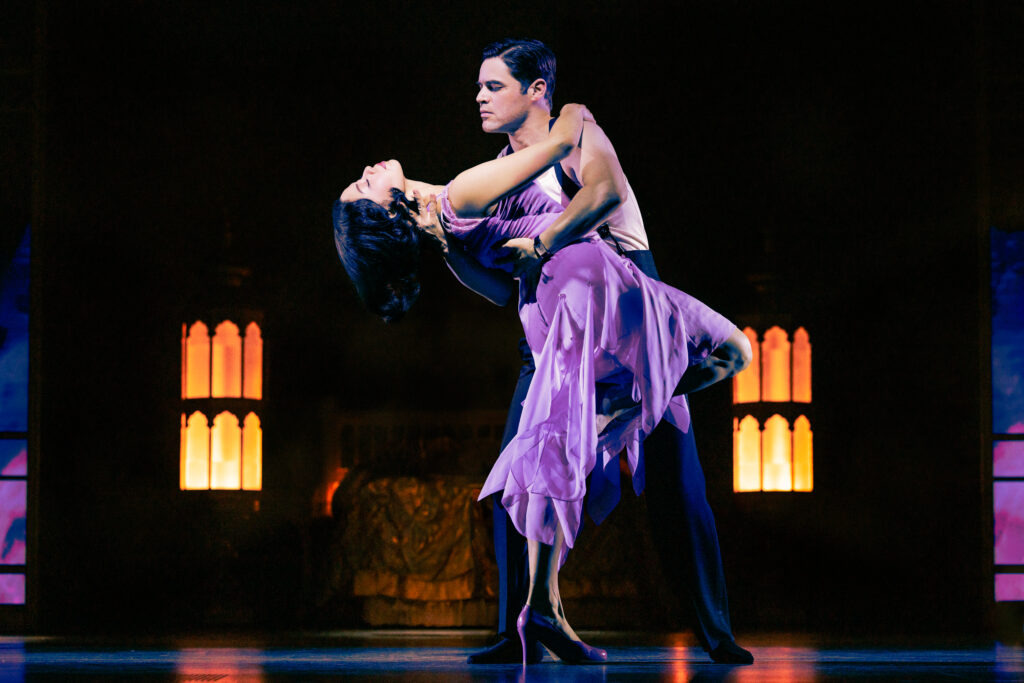
A second viewing often reveals details that were hidden by scale. Once the main plot is familiar, the audience can notice how the ensemble reacts before a lead character does. Those early reactions show how carefully the production manages information and how quickly the room senses a change.
The audience can also notice how movement changes when a character lies, avoids a question or tries to recover control. A polished step may become slightly delayed. A confident pathway may also narrow. These choices are often small enough to feel natural, yet they connect the physical performance to the emotional pressure inside the scene.
A theatergoer interested in movement as storytelling can discover The Great Gatsby Broadway and follow the way bodies create order, invitation and exclusion. The spectacle remains entertaining, but its deeper value comes from turning a crowded stage into a precise record of who controls the moment.