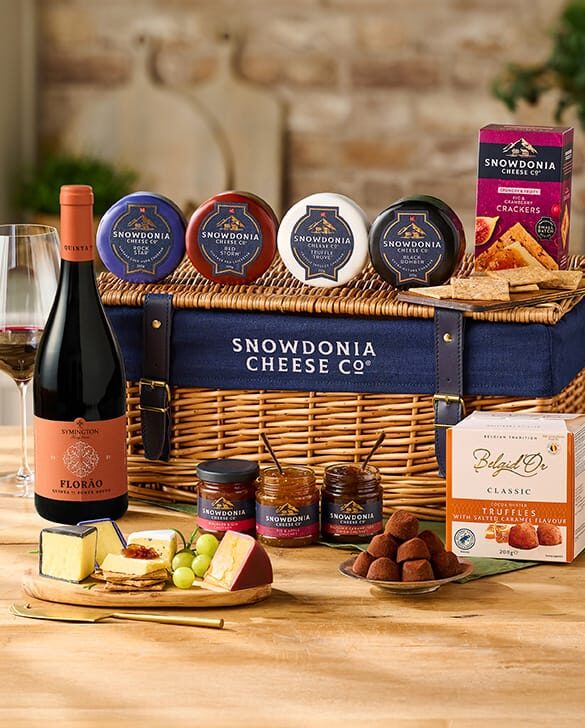
Flavoured cheese needs accompaniments that clarify its character rather than bury it. Smoke, chilli, garlic, truffle, fruit and spirits each respond differently to sweetness, acidity and crunch. The pairing process becomes manageable when the dominant flavour is identified first. A food lover can explore Snowdonia Cheese and compare distinctive truckles before choosing chutney, crackers and fresh additions for the board.
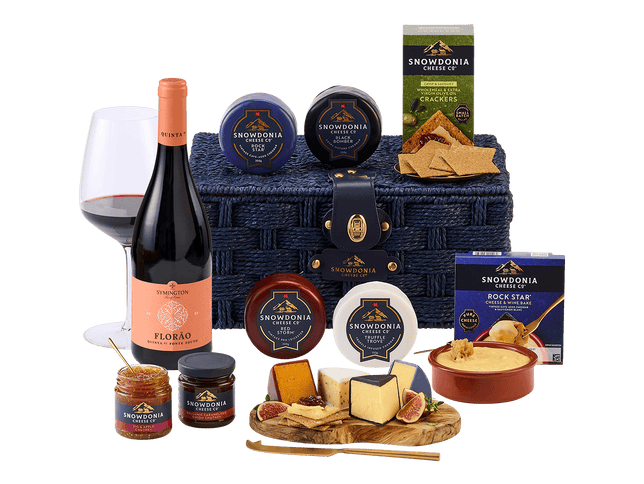
The dominant flavour should lead the pairing
A naturally smoked Cheddar already carries depth and aroma. It often benefits from something sharp or gently sweet, such as apple, cornichons or an onion chutney used in a small amount. A heavily smoked accompaniment would repeat the same note and make the combination feel flat rather than layered.
A chilli cheese such as Red Devil needs balance. Sweet chutney, honey or ripe fruit can soften the heat without removing it. The cracker should remain fairly neutral so it does not add another competing spice. Guests who enjoy stronger heat can add a more assertive condiment separately rather than seasoning the whole board.
Garlic and herb Cheddar such as Green Thunder works well with crisp vegetables, olives and simple savoury crackers. The fresh flavours already provide complexity, so a delicate chutney is usually more useful than a very sweet preserve. The pairing should leave the herbs recognisable after each bite.
A shopper can review Snowdonia Cheese and sort the range by its leading flavour before selecting accompaniments. This approach prevents random combinations and gives each cheese a partner that either balances, refreshes or gently extends its main character.
Sweetness and acidity need careful control
Fruit-infused cheese can be paired with fresh fruit, but the choice should not duplicate the same sweetness too closely. Bouncing Berry already contains cranberry character, so a tart apple or fresh grape may offer more contrast than another dried berry. A plain cracker keeps the fruit note from becoming overly rich.
Spirit-infused cheeses such as Amber Mist or Ruby Mist have layered sweetness and warmth. Nuts, dark chocolate or a restrained fruit chutney can complement them. The portion should remain modest because several rich elements together can become heavy. A fresh pear or crisp apple can provide a useful break.
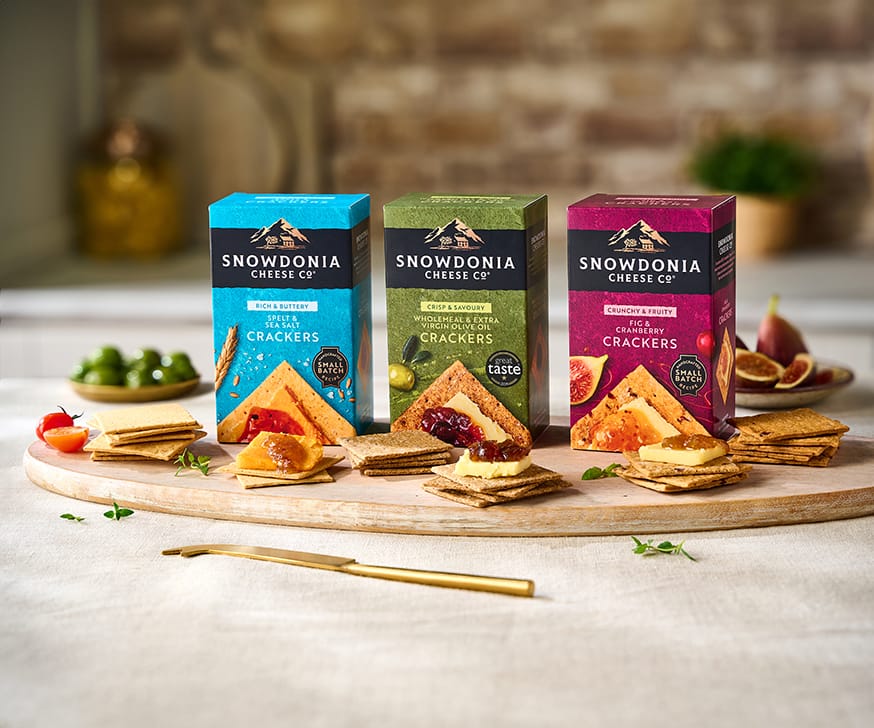
Truffle cheese benefits from simple partners. Truffle Trove carries an earthy aroma that can be lost beside strong chutney or heavily seasoned crackers. A neutral crispbread, fresh fig or a few toasted nuts allow the cheese to remain central. The same principle applies to any ingredient with a delicate but persistent aroma.
Anyone comparing these flavour families can explore Snowdonia Cheese and build a pairing plan around contrast. Sweetness can calm chilli, acidity can lift smoke and a neutral base can protect truffle or herb notes from unnecessary competition.
Checks for a clear tasting board
A few practical choices help each pairing remain identifiable from the first bite to the last.
- Each cheese should be tasted alone before a chutney or fruit pairing is finalised.
- Strong condiments should be served in small bowls so guests can control the amount.
- Crackers with intense seasoning should be reserved for cheeses that can support them.
- A selection from Snowdonia Cheese can be arranged from classic flavours towards smoke, heat and truffle.
- Separate utensils should prevent one chutney from spreading across every cheese on the board.
A simple tasting order protects subtle flavours
The board can begin with a classic Cheddar or mild Red Leicester, then move towards fruit, herbs, smoke and heat. Truffle may be placed before chilli if the host wants its aroma to remain clear. The exact sequence matters less than avoiding an immediate start with the strongest flavour available.
Water and plain crackers help reset the palate. Bread can also work, but strongly flavoured loaves may interfere with the tasting. A small amount of neutral food between combinations allows guests to notice differences rather than experiencing the board as one continuous mixture of salt and seasoning.
Portions should be small enough to encourage comparison. A guest can return to a favourite pairing after trying the range. Large initial wedges may fill the plate and discourage experimentation. Pre-cutting some pieces also keeps the shared truckles neat and makes serving easier.
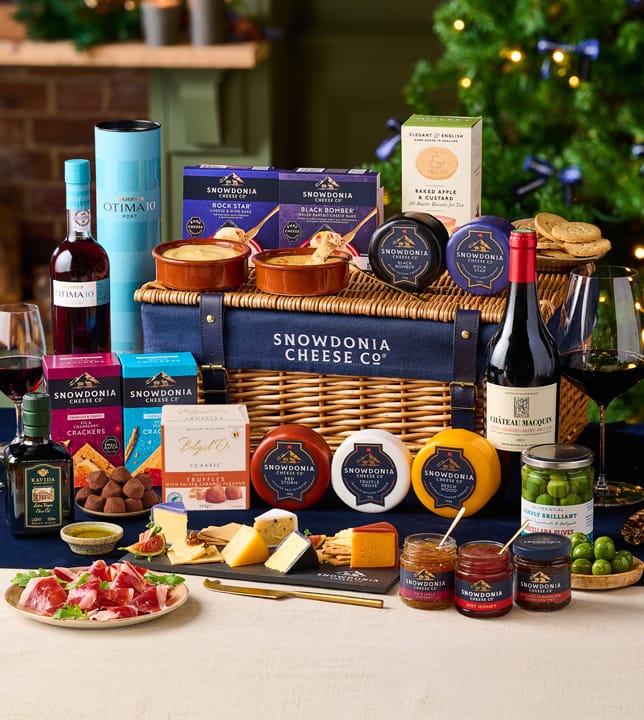
The host should consider guests who prefer simpler flavours. A classic cheese, plain crackers and fresh fruit provide a comfortable option alongside the more unusual truckles. Variety works best when it invites different preferences rather than assuming every guest wants smoke, chilli or truffle.
Texture provides another form of contrast. A creamy, smooth Cheddar can sit beside a crisp apple, brittle cracker or toasted nut. A chutney adds softness and moisture, so the board should also include something dry and crunchy. Thinking about texture prevents every combination from feeling dense.
The host can test pairings in small bites before guests arrive. A thin slice of cheese with a small amount of chutney is enough to reveal whether the accompaniment supports or overwhelms it. Adjusting quantity is often more effective than replacing the ingredient.
A food lover ready to create deliberate pairings can discover Snowdonia Cheese and connect each cheese with an accompaniment that has a clear purpose. The result is a board where smoke feels deeper, chilli feels balanced and delicate flavours remain easy to recognise.