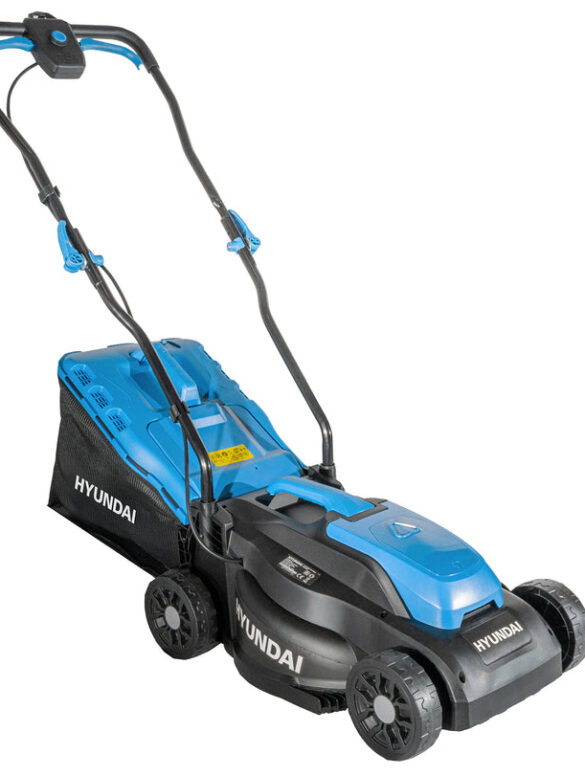
Cordless and petrol equipment can both handle serious garden work, but ownership feels very different. Cordless tools trade fuel handling and engine starting for battery charging, while petrol tools bring longer continuous operation at the cost of fuel storage, servicing and more mechanical preparation. The better system depends on the duration and intensity of the jobs repeated around the property. A shopper can bring Hyundai Power Equipment into the process after time the jobs that happen most often, using the brand range to test a plan rather than to create one from scratch.
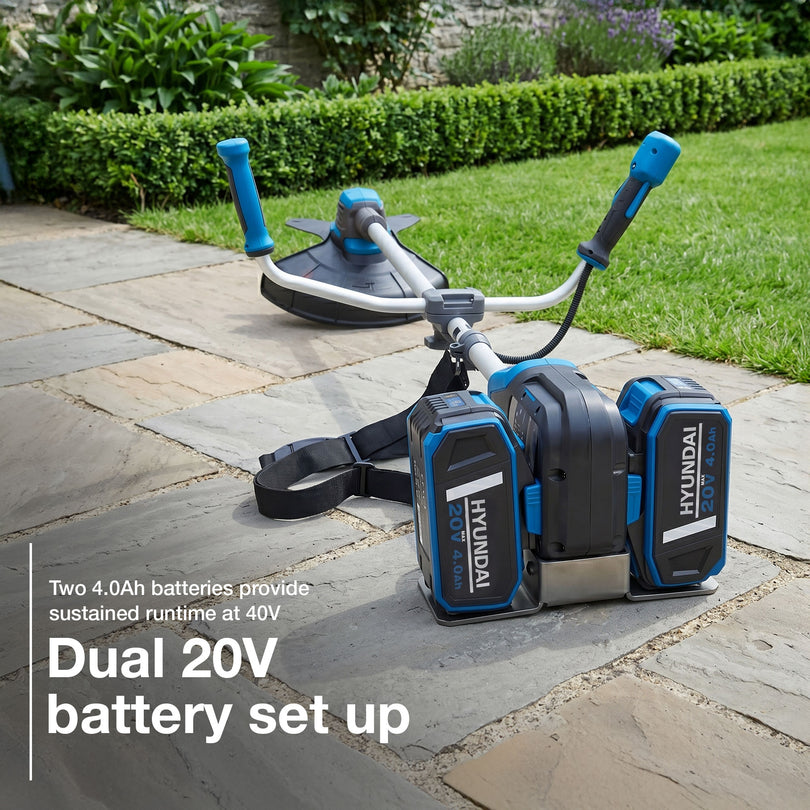
Time the Jobs That Happen Most Often
Hedge trimming, blowing leaves and edging may take twenty minutes on one property and several hours on another. Timing a normal session gives battery runtime a real context. It also reveals whether the task is intermittent enough for charging breaks to fit naturally.
Hyundai Power Equipment sells both cordless and petrol outdoor equipment, allowing the comparison to stay focused on the job rather than on one technology. A short frequent task may reward quick cordless startup, while a longer remote task may value the endurance of a petrol machine.
Compare Charging Logistics With Fuel and Service Logistics
Cordless equipment needs a dry charger location and a plan for battery storage. Petrol equipment needs safe fuel handling and regular engine maintenance. Neither system is maintenance free; the work simply appears in different places across the season.
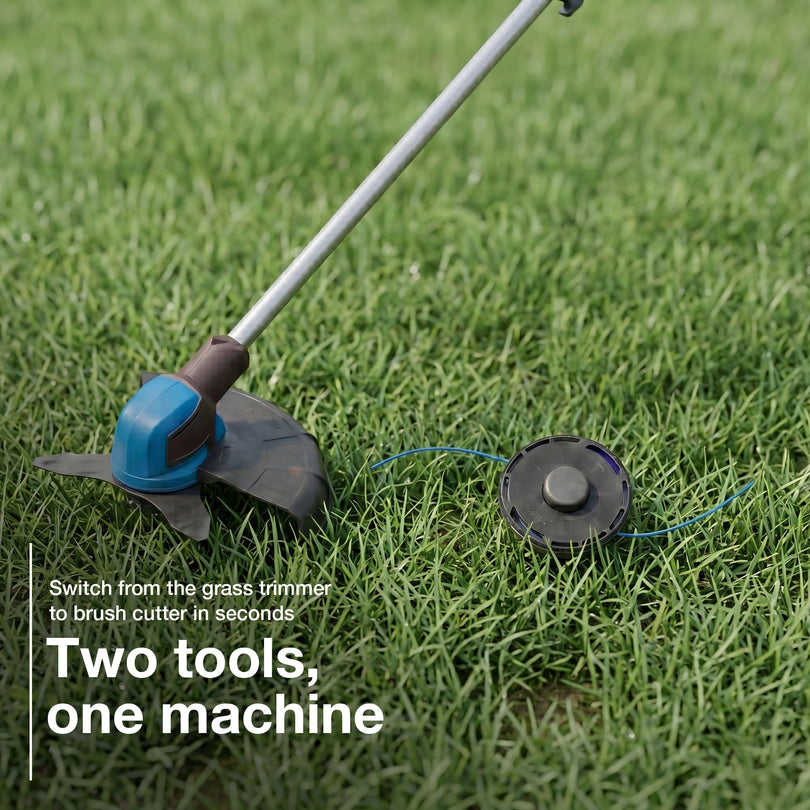
Weight and noise can also shape the choice. Handheld equipment becomes tiring when used for long periods, and residential surroundings may make quieter operation valuable. These practical effects are difficult to capture in a single power figure but matter every time the tool is used.
Power Source Questions for a Mixed Garden Tool Collection
- Time a normal work session instead of estimating runtime from memory.
- Include charger space or fuel storage in the ownership plan.
- Review Hyundai Power Equipment tools by task and power source rather than choosing one technology for everything.
- Consider weight during long handheld work.
- Follow seasonal maintenance guidance for whichever power source is chosen.
Use a Mixed System When Different Jobs Need Different Strengths
There is no requirement that every garden tool use the same power source. A household might prefer cordless trimming tools for quick jobs and a petrol machine for a longer heavy-duty task. Mixing systems can be sensible when each one has a clear role and storage remains manageable.
If the workload changes, Hyundai Power Equipment can be reassessed using actual session length and maintenance experience from the existing tools. That evidence is more useful than assuming the next purchase must match the previous technology.

Battery platforms can save space only when the tools actually share compatible packs and chargers. A collection with several near-identical batteries may create more confusion than a mixed petrol and cordless setup. Recording battery model numbers helps the owner see whether platform consolidation is real or only assumed.
Outside the assumptions behind Time the Jobs That Happen Most Often, real conditions can expose a different side of choosing between cordless and petrol garden tools by task duration. Weather, workload, travel, limited space or a change in the number of users may alter how charging logistics with fuel and service logistics fits the routine even when the product itself has not changed. Revisiting time the jobs that happen most often under those conditions helps separate a temporary inconvenience from a persistent mismatch. That distinction makes use of a mixed system when different jobs need different strengths more precisely and keeps power source questions for a mixed garden tool collection connected to actual use rather than to an imagined perfect scenario.
After Time the Jobs That Happen Most Often, one later-stage test for choosing between cordless and petrol garden tools by task duration is to repeat the process on an ordinary day rather than under ideal conditions. After time the jobs that happen most often have been established, the user can watch whether comparing charging logistics with fuel and service logistics still works when time, storage or shared use becomes less convenient. Only details that could affect use of a mixed system when different jobs need different strengths need to be recorded, such as a measurement, model reference, cleaning step or timing issue. That small record turns power source questions for a mixed garden tool collection into a practical reference instead of a one-time checklist.
Because Compare Charging Logistics With Fuel and Service Logistics shapes the routine, the reset between uses deserves its own place in choosing between cordless and petrol garden tools by task duration. Even when comparing charging logistics with fuel and service logistics works well during the task, charging, drying, refueling, packing or cleaning can determine whether the routine remains easy to repeat. Looking at those steps alongside time the jobs that happen most often exposes friction that product specifications rarely show. If one reset step repeatedly causes delay, using a mixed system when different jobs need different strengths can focus on that single weakness instead of forcing a complete replacement of the setup.
Fuel-powered tools also benefit from a usage threshold. If a machine sits unused for most of the year, fuel storage and seasonal servicing may outweigh its extra endurance. Conversely, a long hedge line or large property can justify the longer continuous runtime. The task, not the technology, should set that threshold.
Power-source choice should be based on how the property is maintained, not on loyalty to cordless or petrol equipment. Hyundai Power Equipment offers both approaches, while runtime, weight, noise, charging and servicing determine which fits each task. A garden tool earns its place when the owner is willing to prepare and maintain it as often as the job requires.