
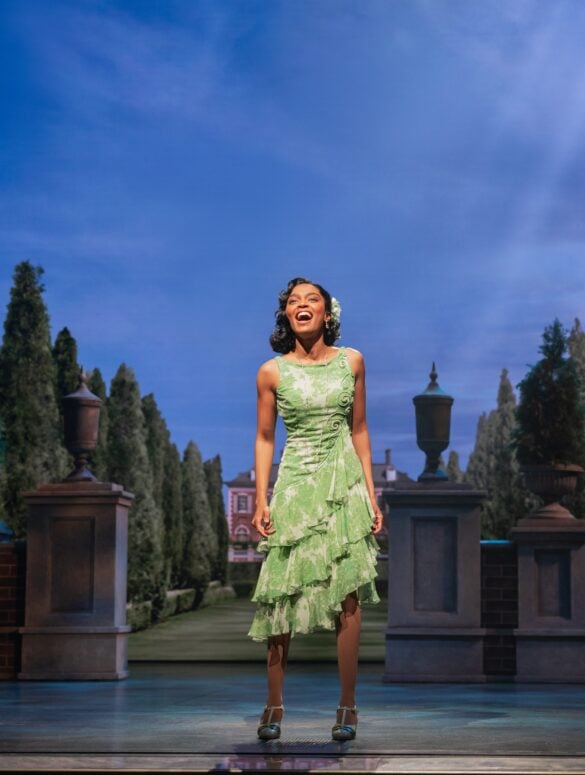
A stage musical cannot reproduce a novel page by page. It must turn narration, private thoughts and long passages of description into dialogue, music, movement and visual action that an audience can understand in real time.
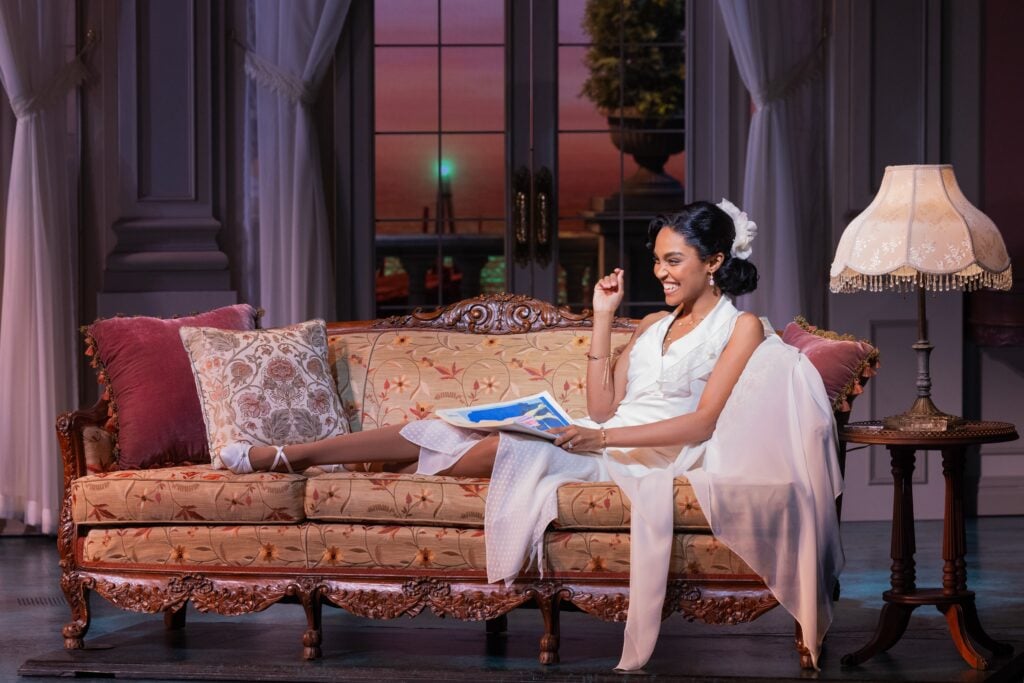
Theater fans interested in seeing that transformation can explore The Great Gatsby Broadway and consider how a familiar literary story changes when performers, musicians and designers tell it together.
The adaptation begins with dramatic structure
A novel can pause for reflection or explain a character through extended narration. A musical has to reveal the same information through choices that can be seen and heard. A glance across a room, a repeated musical phrase or a sudden change in pace may carry meaning that occupied several pages in the source material.
The book writer decides which events need full scenes and which can be compressed. Some conversations may be combined, while minor moments can disappear so the central relationships remain clear. This process does not simply shorten the story. It creates a version designed around entrances, exits, songs and turning points that work in front of a live audience.
Songs often appear when ordinary speech can no longer contain a character’s emotions. A solo may expose a private hope, while an ensemble number can show several competing desires at once. Repetition allows a melody or lyric to return with a different meaning after the story has changed.
Audience members who want to compare the written story with its musical structure can review The Great Gatsby Broadway and notice where the production uses speech, song or movement to carry essential information.
Music and design create a complete world
The production combines a book by Kait Kerrigan, music by Jason Howland and lyrics by Nathan Tysen. Those elements provide the framework, but the audience experiences them through orchestration, vocal performance and sound design. A musical theme can connect scenes even when the setting changes, while the balance between voices and instruments keeps the story understandable.
Scenic and projection design establish location without requiring a realistic reconstruction of every room. The stage can move quickly from an intimate conversation to a crowded celebration because scenery, light and projected detail work as one system. Costume design supplies social information before a character speaks, showing status, confidence or a desire to impress.
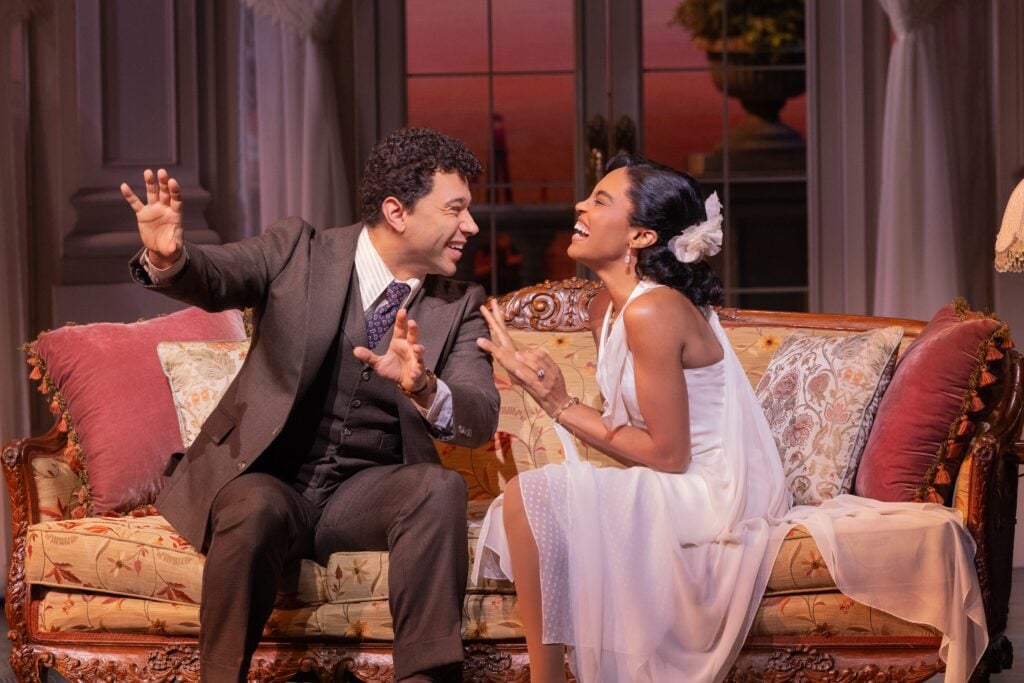
Choreography also advances the plot. Large dance sequences can express the energy of a gathering, but smaller gestures may reveal tension between individuals. The strongest movement is not decoration placed between scenes. It clarifies relationships, controls focus and helps the production move from one emotional point to another.
Theatergoers drawn to a production built through coordinated music, costume and visual design can consider The Great Gatsby Broadway when selecting a literary musical for an evening out.
Details worth noticing during the performance
An audience does not need technical training to recognize careful stagecraft. Anyone planning to attend can explore The Great Gatsby Broadway and watch for a few practical storytelling choices.
- A repeated melody may reveal how a character’s feelings have changed since its first appearance.
- Lighting can direct attention toward a private reaction while a larger scene continues around it.
- Costume changes can show shifts in confidence, status or emotional control without added explanation.
- Ensemble movement can establish social pressure even when the central characters remain still.
- Scenic transitions can preserve momentum by moving the story forward without a long interruption.
Live performance changes the relationship with the story
A reader controls the pace of a novel and can return to an earlier passage whenever a detail feels unclear. A theater audience receives the story in a continuous sequence. That limitation creates urgency. Performers must make each decision legible while preserving enough ambiguity for the characters to remain complex.
The presence of an audience also affects the rhythm. Laughter, silence and applause become part of the evening, even though the production remains carefully rehearsed. Performers respond to the room without changing the basic story, which gives each performance a distinct energy that a recording cannot fully duplicate.
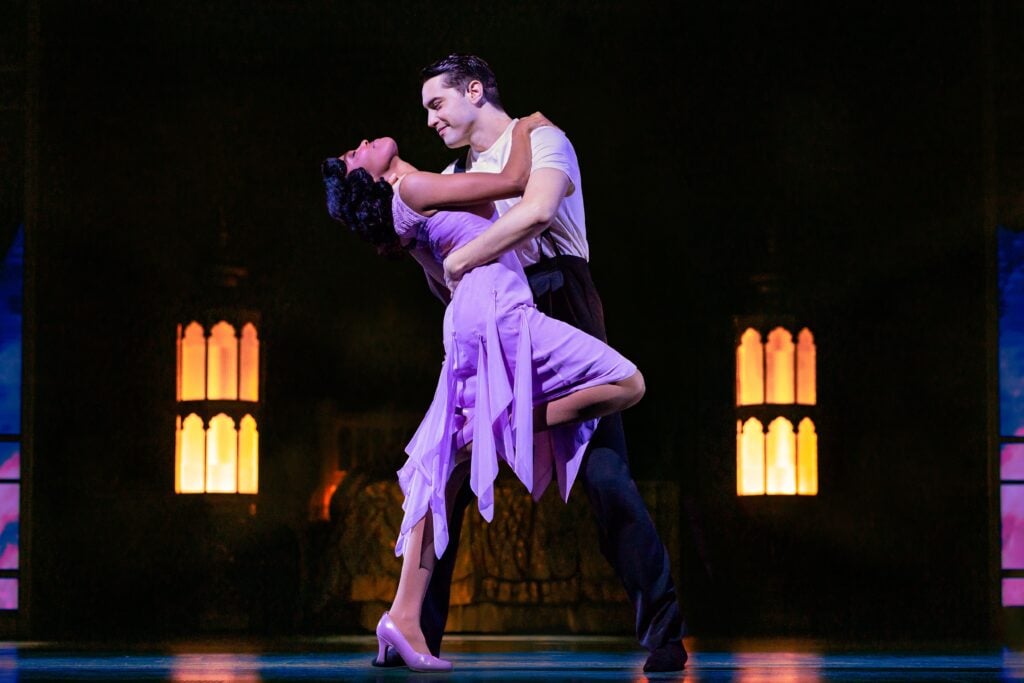
Familiarity with the novel can deepen the experience, but prior reading is not a requirement. A clear adaptation should introduce its relationships and conflicts onstage. Readers may focus on what changed, while newcomers can follow the production as an independent piece of musical theater.
The performance can also encourage a return to the source material. A scene that passes quickly onstage may lead an audience member to examine the corresponding chapter, while a song may highlight a motive that previously seemed less important. The two versions can therefore support each other without needing to match exactly.
A strong adaptation respects the central tensions of the novel while accepting the demands of live theater. Viewers ready to experience that balance can visit The Great Gatsby Broadway and choose a performance that turns literary themes into music, movement and shared attention.