Household cleaning often becomes more difficult when equipment is awkward to move, slow to prepare or limited by power cables. A practical cleaning routine depends as much on convenience as it does on suction, attachments or battery life. When a vacuum can move easily from one room to another, short cleaning sessions are more likely to happen before dust, crumbs and pet hair build up.
Cordless floorcare has developed around that idea. Instead of treating cleaning as one long weekly task, many households now divide it into smaller jobs across the week. Brands such as Gtech have built cordless products for this type of routine, including upright and handheld options designed for different surfaces and cleaning situations. The result is a category that focuses on speed, mobility and easier storage rather than simply replacing a traditional vacuum with a battery.
Why Cordless Design Changes the Cleaning Routine
A corded vacuum can still be useful for larger cleaning sessions, but cables influence how a person moves through a home. Plugging in, unplugging and changing sockets can interrupt the process. Cordless equipment removes those pauses and makes it easier to move between hard floors, carpets, stairs and furniture.
That flexibility matters most in busy homes. A small spill in the kitchen, crumbs near a sofa or pet hair on a rug may not justify setting up bulky equipment. A lightweight cordless model can make those jobs feel more manageable. The same principle applies to stairs, where a cable can become inconvenient, and to cars, where access to a socket may be limited.
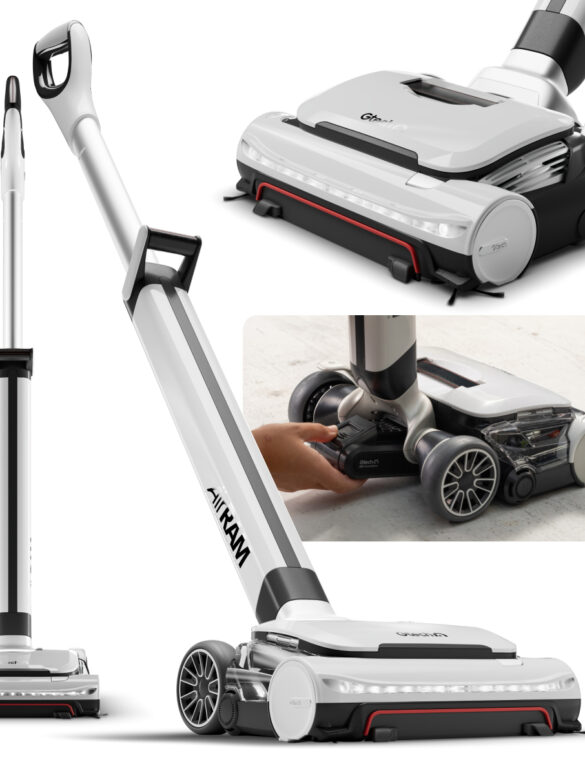
The floorcare range from Gtech reflects this split between larger floor cleaning and smaller targeted tasks. Upright cordless vacuums are intended for regular floor coverage, while handheld models can deal with stairs, upholstery, corners and car interiors. That separation can be useful because one tool does not need to handle every type of mess in exactly the same way.
Features That Matter More Than Impressive Specifications
Battery voltage and motor power can attract attention, but they do not tell the whole story. A useful vacuum should suit the layout of the home, the surfaces being cleaned and the frequency of use. Weight, steering, bin capacity, charging routine and attachment design often matter just as much as headline performance figures.
Several practical details deserve consideration when comparing cordless cleaners.
- A manageable weight can make frequent cleaning less tiring, especially on stairs and across multiple rooms.
- A clear battery indicator can reduce the chance of the vacuum losing power in the middle of a job.
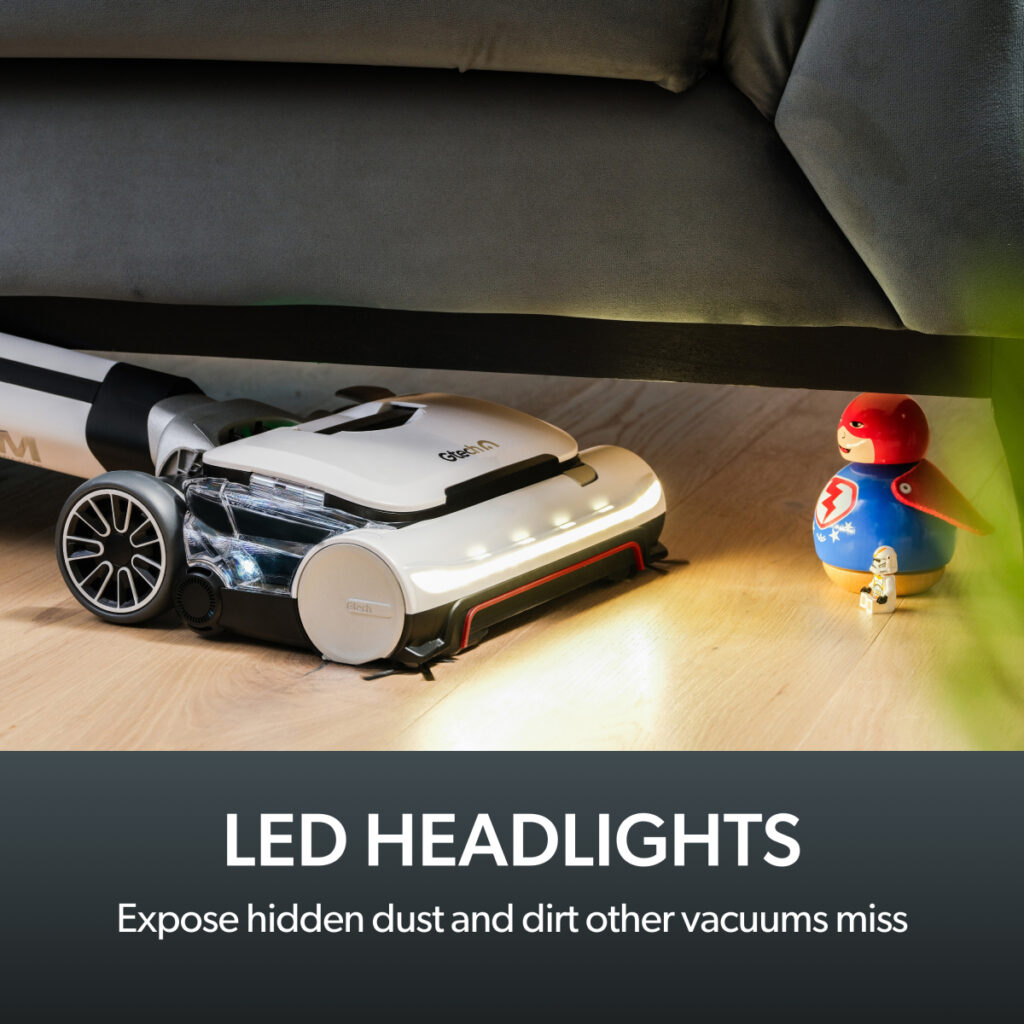
- A low profile design can help the cleaner reach under sofas, tables and other furniture with less repositioning.
- Useful attachments can make one device more suitable for upholstery, skirting boards, shelves and car interiors.
- Easy bin emptying and washable filters can simplify routine maintenance after cleaning.
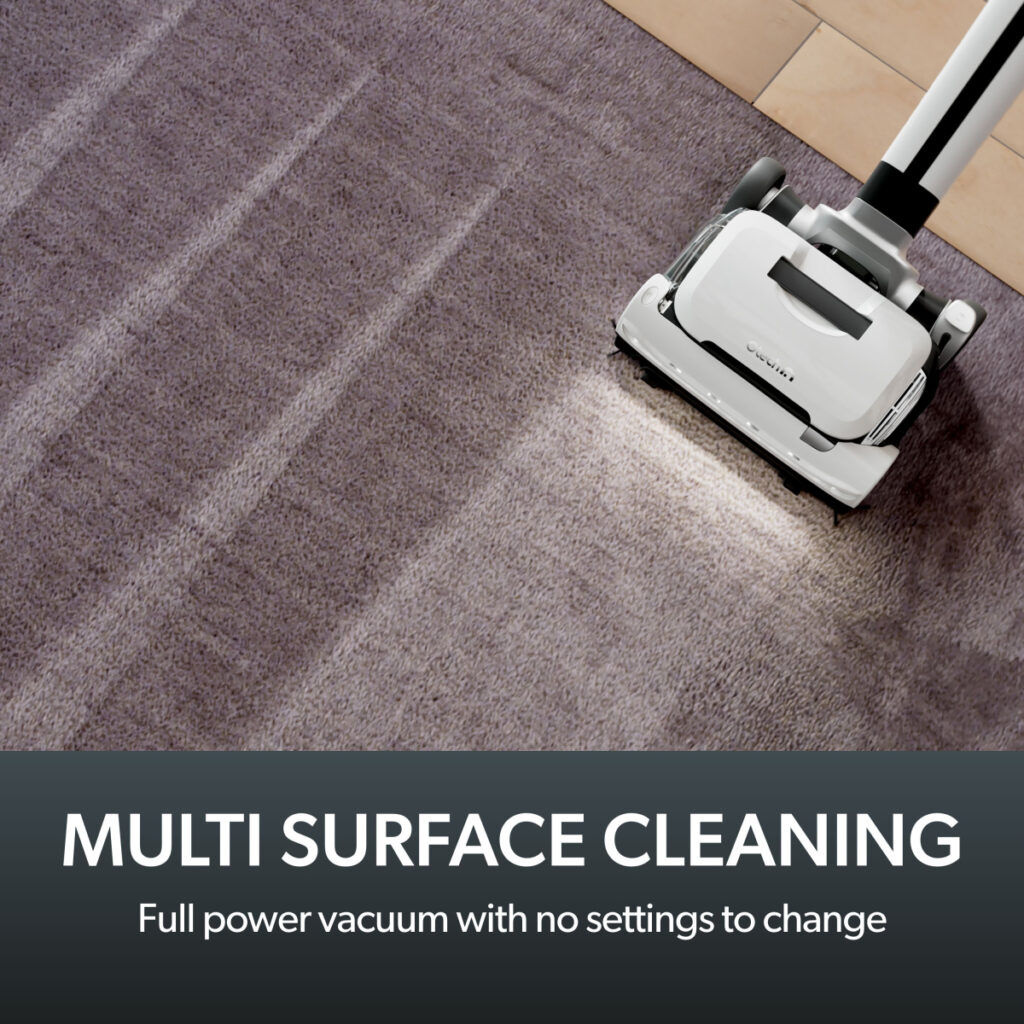
Some Gtech models also combine powered brush bars with designs intended for different floor types. That can be relevant in homes where carpets and hard floors sit next to each other and frequent setting changes would slow the routine. The best choice still depends on the surfaces present rather than on one feature viewed in isolation.
Matching the Tool to the Type of Mess
Different areas of a home create different cleaning problems. Hallways may collect grit, kitchens gather crumbs, bedrooms collect dust and homes with animals can develop hair on carpets and upholstery. A cleaner that performs well in one situation may feel less convenient in another.
For general floor cleaning, an upright cordless vacuum can provide the most natural replacement for a traditional machine. A handheld cleaner serves a different purpose. It can be kept nearby for quick jobs, used on furniture or carried into a car without much preparation. Households that regularly clean both floors and smaller surfaces may find that two specialised formats are more practical than expecting one machine to cover every task.
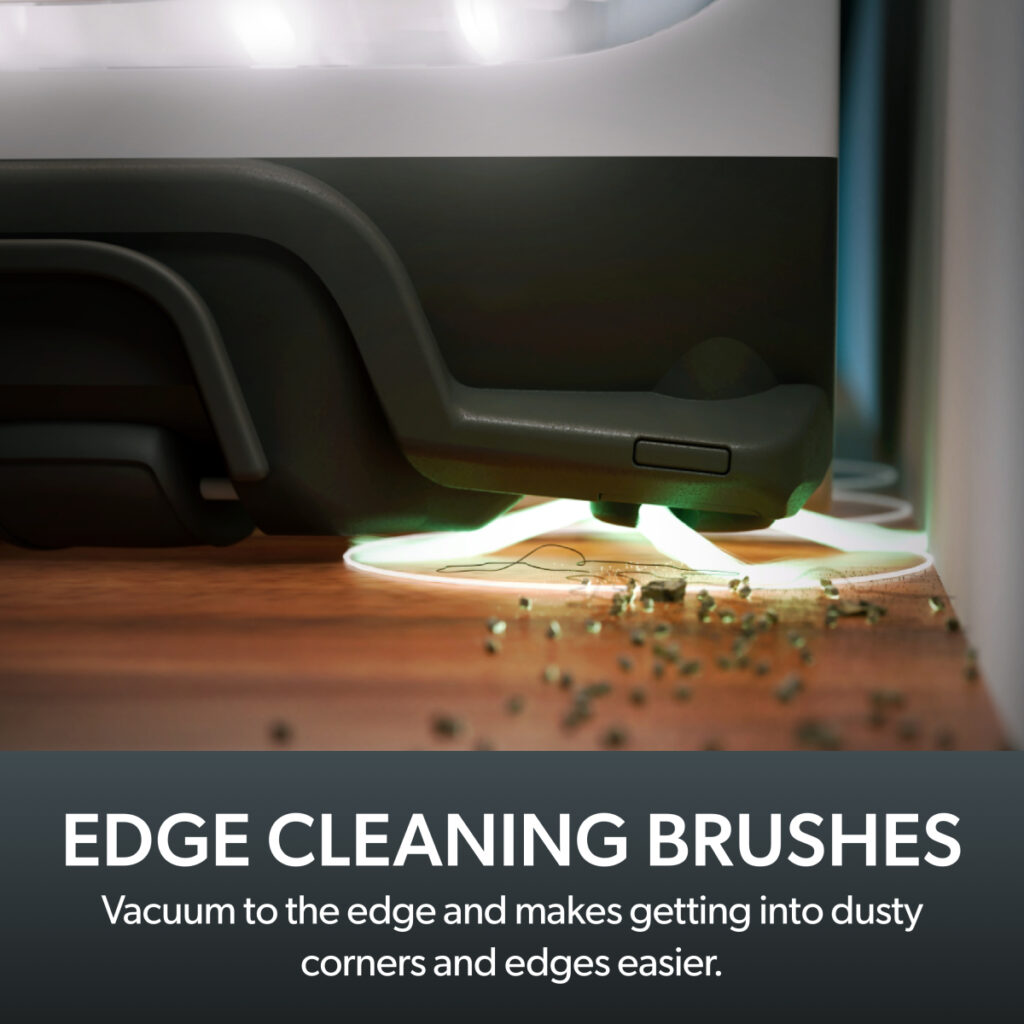
Pet owners may also place more value on rotating brushes, durable components and tools that lift hair from fabric. Gtech offers pet focused options alongside its standard cordless range, which gives buyers a way to compare equipment around the mess they actually deal with rather than choosing purely by size or price.
Building a Cleaning Setup That Stays Practical
The most effective cleaning setup is usually the one that fits naturally into everyday life. A powerful vacuum can still become inconvenient if it is difficult to store, heavy to carry or regularly left without charge. Placement and routine therefore matter. Equipment stored close to common problem areas is easier to reach, while a regular charging habit keeps cordless tools ready for short cleaning sessions.
Maintenance also affects long term performance. Bins should be emptied before they become overfilled, filters should be cleaned according to the product instructions and brush bars should be checked for wrapped hair or fibres. These simple habits can help preserve airflow and reduce unnecessary strain on the machine.
Cordless equipment is not automatically the right answer for every household, but it can make cleaning more flexible when convenience is a priority. The range from Gtech shows how upright and handheld designs can serve different parts of the same routine. When weight, runtime, attachments, storage and surface type are considered together, a cordless cleaner becomes more than a convenient gadget. It becomes part of a practical system for keeping everyday mess under control without turning every small job into a major task.