Outdoor power equipment is easier to own when maintenance is recorded instead of remembered. A mower, trimmer, generator or chainsaw may each have different oil, filter, battery and cutting-part schedules. Keeping a simple model-specific record prevents one machine from receiving unnecessary attention while another quietly passes a service interval. This article treats Hyundai Power Equipment as one possible source within building a seasonal maintenance record for outdoor power equipment, while the practical constraints remain more important than the catalogue itself.
Create One Record for Each Machine and Model Number
The record should include model number, purchase date, major service dates and the consumables used. A photograph of the identification plate can prevent transcription errors when parts are ordered later. Manuals can be stored digitally with the same naming system.
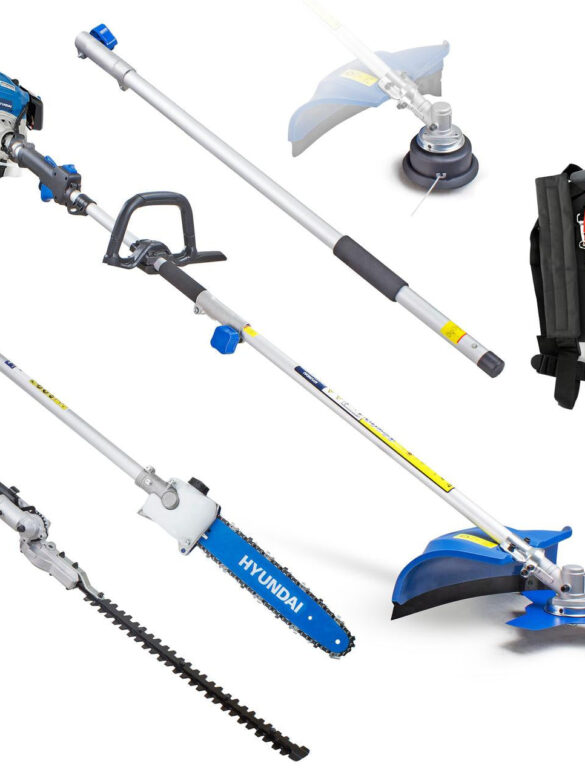
Hyundai Power Equipment service parts and equipment can then be matched to the exact machine rather than to a general product family. This is especially useful for filters, belts, blades or batteries whose appearance may be similar across several models.
Tie Maintenance to Hours Seasons and Visible Wear
Some tasks follow operating hours, while others make sense at the beginning or end of a season. Cutting lines, blades and chains also need condition-based inspection. The owner should use the manual schedule as the foundation and add notes when unusually dusty or heavy work changes service needs.
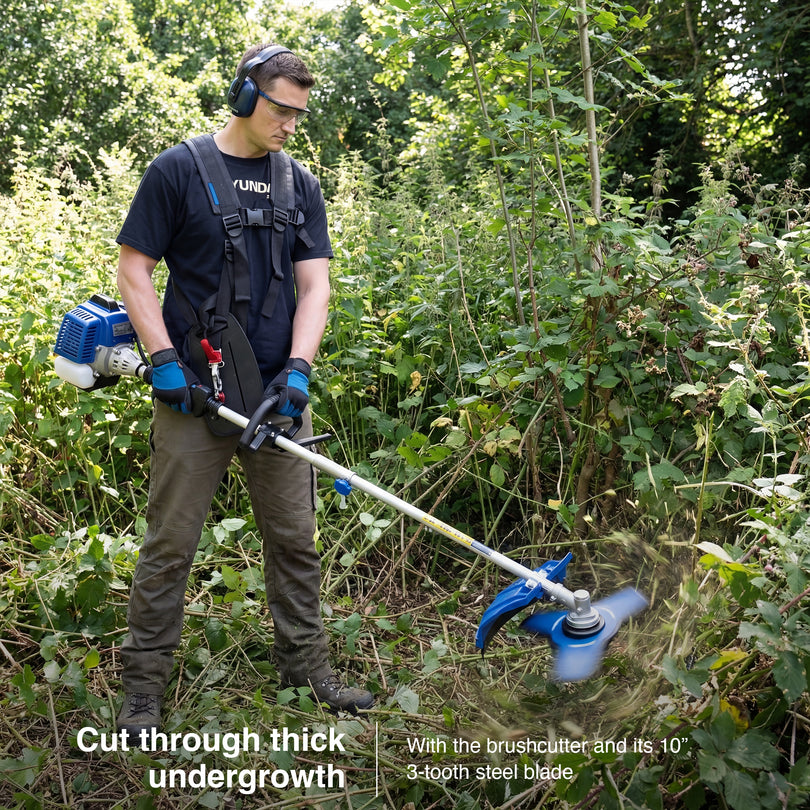
Cleaning is part of maintenance because blocked cooling paths and packed grass can affect operation. The machine must be shut down safely before debris is removed, and the procedure should follow model instructions. A clean machine also makes leaks, loose fasteners and damage easier to notice.
Maintenance Notes That Save Time at the Next Service
- Record the exact model number before ordering parts.
- Write down service dates and the consumables that were used.
- Check Hyundai Power Equipment parts against the exact machine specification.
- Inspect guards, cable fasteners and cutting components before the season begins.
- Store manuals and service notes where every household user can find them.
Use the Record to Plan Winter Storage and Spring Startup
End-of-season notes can identify fuel treatment, battery storage, cleaning and corrosion prevention required by the manual. Spring startup then becomes a checklist rather than a memory test. Problems discovered at storage time can be repaired while the machine is not urgently needed.
When a replacement machine is eventually considered, Hyundai Power Equipment can be evaluated with the maintenance history in mind. If one feature created repeated service difficulty, the next purchase can address that specific issue rather than simply choosing a newer version of the same setup.
Maintenance records are most useful when they are brief enough to keep current. A spreadsheet with dozens of fields may be abandoned, while a one-line note for date, hours, task and part number can survive for years. Photographs of worn parts can add context when a recurring problem appears next season.
When Use the Record to Plan Winter Storage and Spring Startup is considered, cost in time can change the value of building a seasonal maintenance record for outdoor power equipment just as much as purchase price. A technically capable option may become inconvenient if tie maintenance to hours seasons and visible wear adds frequent preparation or cleanup that the user did not expect. Comparing that burden with creating one record for each machine and model number keeps the decision tied to the real routine. The notes created during maintenance notes that save time at the next service can then use the record to plan winter storage and spring startup later without repeating research that has already been done once.
Outside the assumptions behind Create One Record for Each Machine and Model Number, real conditions can expose a different side of building a seasonal maintenance record for outdoor power equipment. Weather, workload, travel, limited space or a change in the number of users may alter how tie maintenance to hours seasons and visible wear fits the routine even when the product itself has not changed. Revisiting one record for each machine and model number under those conditions helps separate a temporary inconvenience from a persistent mismatch. That distinction makes use of the record to plan winter storage and spring startup more precisely and keeps maintenance notes that save time at the next service connected to actual use rather than to an imagined perfect scenario.
After Create One Record for Each Machine and Model Number, one later-stage test for building a seasonal maintenance record for outdoor power equipment is to repeat the process on an ordinary day rather than under ideal conditions. After creating one record for each machine and model number has been established, the user can watch whether tie maintenance to hours seasons and visible wear still works when time, storage or shared use becomes less convenient. Only details that could affect the use the record to plan winter storage and spring startup need to be recorded, such as a measurement, model reference, cleaning step or timing issue. That small record turns maintenance notes that save time at the next service into a practical reference instead of a one-time checklist.
Shared equipment should also have a clear handoff rule. If one person notices vibration, difficult starting or a damaged guard, that observation should be recorded before the machine is returned to storage. Small warnings are easily forgotten when the next user assumes the equipment was put away in normal condition.
A maintenance record turns outdoor equipment care into a predictable routine. Hyundai Power Equipment can support model-specific parts and equipment choices, while the owner’s notes preserve the history that makes those choices accurate. The result is less guesswork at service time, better preparation for seasonal storage and a clearer picture of when repair or replacement is justified.