
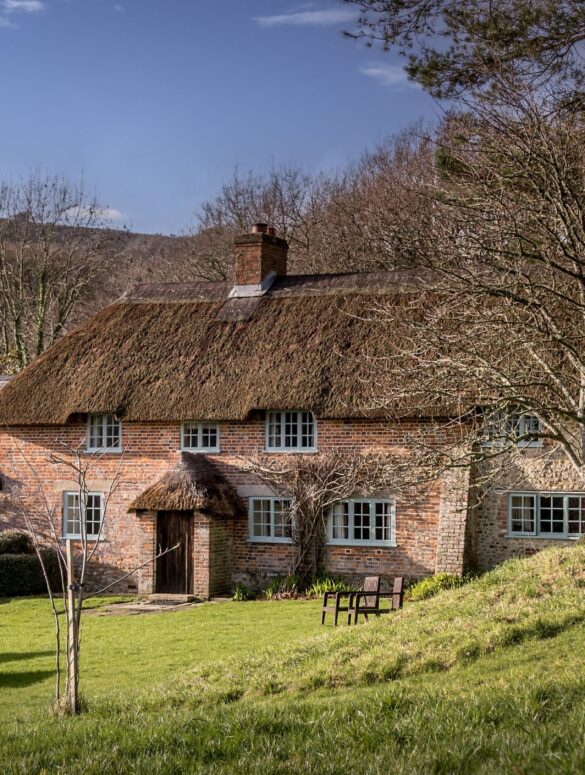
Britain’s cultural landscape is woven from centuries of history, architecture and artistic achievement. From Tudor mansions to medieval gardens, from Victorian estates to ancient landscapes shaped by human hands across millennia, the UK offers unparalleled opportunities to connect with heritage. These aren’t static museums; they’re living, breathing environments where you can walk the same grounds as historical figures, see authentic period rooms and experience culture in settings designed centuries ago. Heritage tourism transforms holidays from passive sightseeing into genuine cultural immersion, offering perspective and enrichment that commercial attractions simply cannot match.
Why Heritage Travel Matters
Traveling to historic sites and cultural destinations fundamentally changes how you understand history and human civilization. Reading about Tudor England in a textbook differs vastly from standing in a Tudor manor, understanding the layout of rooms, imagining daily life within those walls. Heritage travel makes history visceral and real, bringing events and people to life in meaningful ways. It connects you to broader human narratives and helps you understand the cultural foundations of contemporary society. When you visit National Trust Holidays, you access these experiences through carefully curated offerings that balance authenticity with comfort, ensuring your cultural exploration remains genuinely rewarding and enriching.
Architectural Splendor and Design Evolution

British architectural heritage spans from medieval stone work through neoclassical elegance to Victorian innovation and beyond. Each period reveals different values, available technologies and aesthetic preferences shaping how buildings were designed and constructed. Medieval castles prioritized defense; Georgian estates emphasized proportion and symmetry; Victorian buildings celebrated industrial capability and ornamental detail. Walking through these spaces reveals how architecture tells the story of cultural evolution across time. The craftsmanship alone, detailed plasterwork, hand-painted wallpapers, carved wood paneling, intricate tile work, represents skills largely lost to modern manufacturing. National Trust Holidays provides access to these architectural treasures while supporting their preservation and restoration, ensuring future generations inherit these cultural jewels.
Gardens as Living Art
British gardens represent centuries of horticultural innovation, design philosophy and aesthetic refinement expressed through plants and landscape. From formal Renaissance gardens with geometric precision to romantic landscapes designed to appear naturally wild, British gardens showcase how humans shape nature to express cultural ideals and artistic visions. Gardens change seasonally, revealing different aspects of the landscape as flowers bloom and fade, trees transform through the year. Visiting gardens across seasons provides fresh experiences of the same spaces and evolving perspectives. The combinations of structure, planting, water features and spatial organization in historic gardens teach principles of design that influence contemporary landscape architecture worldwide. National Trust Holidays opens access to some of Britain’s most spectacular gardens, many maintained to exceptional standards by passionate horticulturists.
Art, Artifacts and Domestic Life
Historic houses preserve not just architecture but material culture, paintings, sculpture, furniture, porcelain, textiles and everyday objects that reveal how people actually lived across different historical periods. These artifacts contextualize historical narratives in tangible ways. You see the silverware used at formal dinners, the children’s toys that entertained young heirs, the kitchen equipment that prepared family meals. Many properties feature period room arrangements where furniture, wallpapers and decorative items are displayed as they would have been during a specific historical period. This attention to domestic detail creates immersive experiences that bring history to life vividly. These collections also document craft traditions and manufacturing techniques that shaped British design heritage. National Trust Holidays
Walking Historical Landscapes
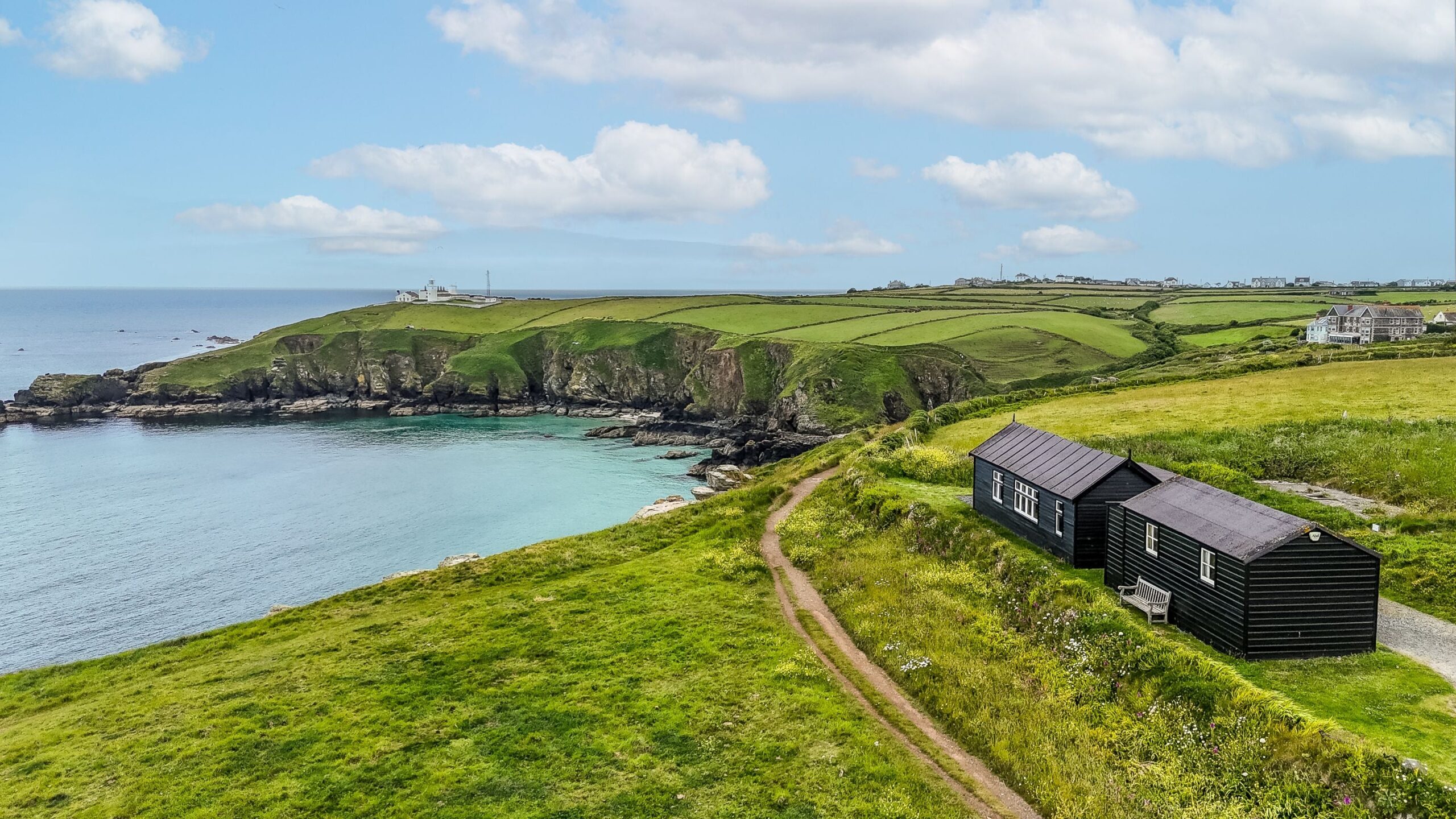
Beyond buildings and gardens, Britain’s landscapes themselves carry historical significance and tell stories of human presence. Ancient forest sites, managed commons, industrial heritage sites and battle locations offer opportunities to understand how humans have shaped the land across millennia. Walking these landscapes provides perspective and contemplation unavailable in urban centers. The physical activity of exploring countryside while engaging intellectually with history creates particularly rewarding experiences. National Trust Holidays often includes properties set within extensive grounds and countryside, encouraging exploration and creating memorable connections with Britain’s natural and cultural heritage.
Contemporary Hospitality with Historic Character
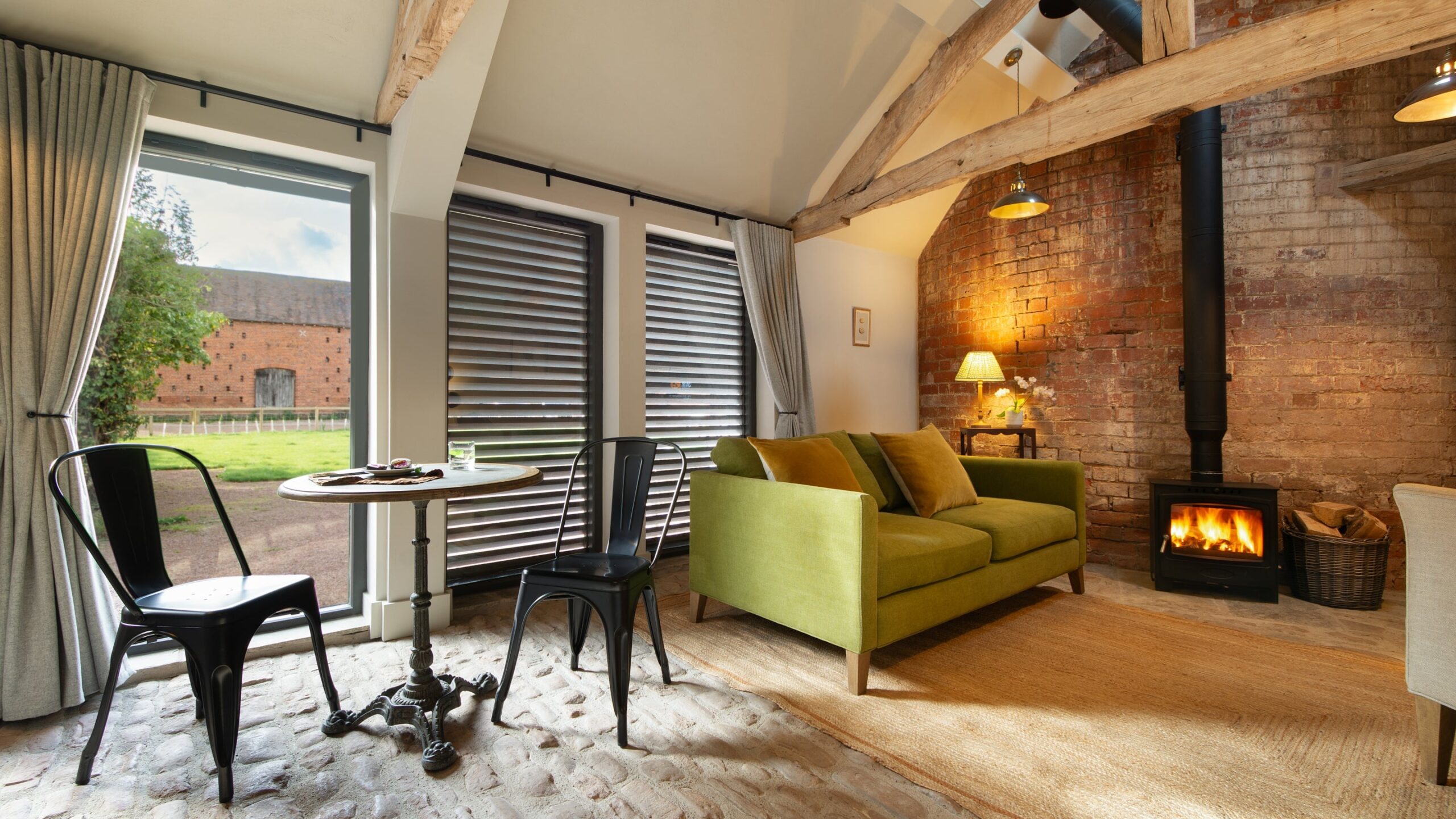
Modern heritage travel has evolved to offer contemporary comfort within historic settings, allowing authentic engagement with history alongside modern expectations. Self-catering cottages on estate grounds, converted outbuildings with original period features but modern amenities and partnered accommodations nearby allow visitors to experience heritage sites while enjoying current standards of comfort. This combination respects historical authenticity while acknowledging that modern travelers have different requirements than historical residents. The experience becomes more nuanced, you gain both the historical perspective and the comfort to fully enjoy and contemplate what you’re experiencing.
- Prioritize properties reflecting periods and architectural styles that genuinely interest you
- Visit gardens across different seasons to experience the same spaces transformed
- Allow sufficient time for meaningful exploration rather than rushing through properties
- Engage with available interpretive materials, guides and specialist lectures to deepen understanding
- Consider longer stays in specific regions to develop richer connections with local heritage and landscape
Heritage tourism offers antidote to superficial travel experiences and commercial tourist attractions. It invites contemplation, curiosity and genuine engagement with culture and history in all its complexity. Standing where others stood centuries ago, seeing objects they touched, walking ground they walked, you gain perspective on your own time and place in the broader sweep of human history.