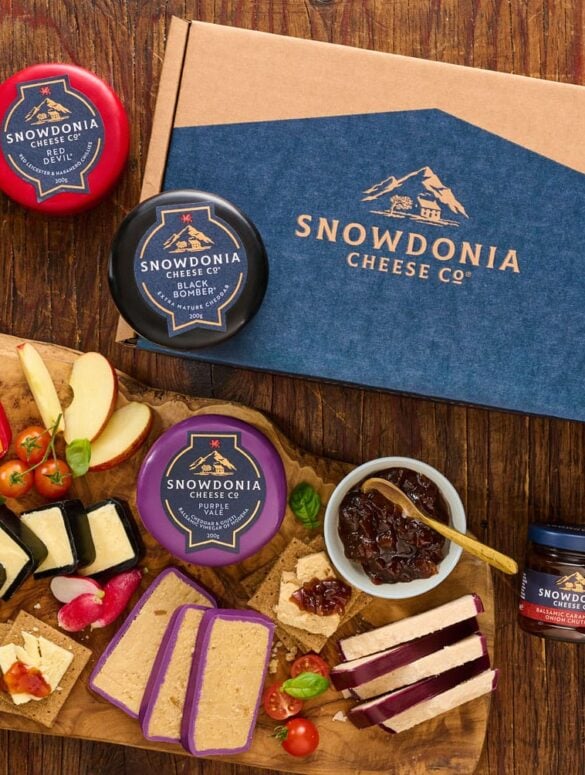
A good cheeseboard is easier to enjoy when every cheese has a clear role. One can provide depth, another can add sweetness and a third can introduce smoke, herbs or gentle heat. The aim is not to crowd the board with as many products as possible. A host building a balanced selection can explore Snowdonia Cheese and compare waxed truckles with distinct flavours, textures and levels of intensity.
The board needs a dependable starting point
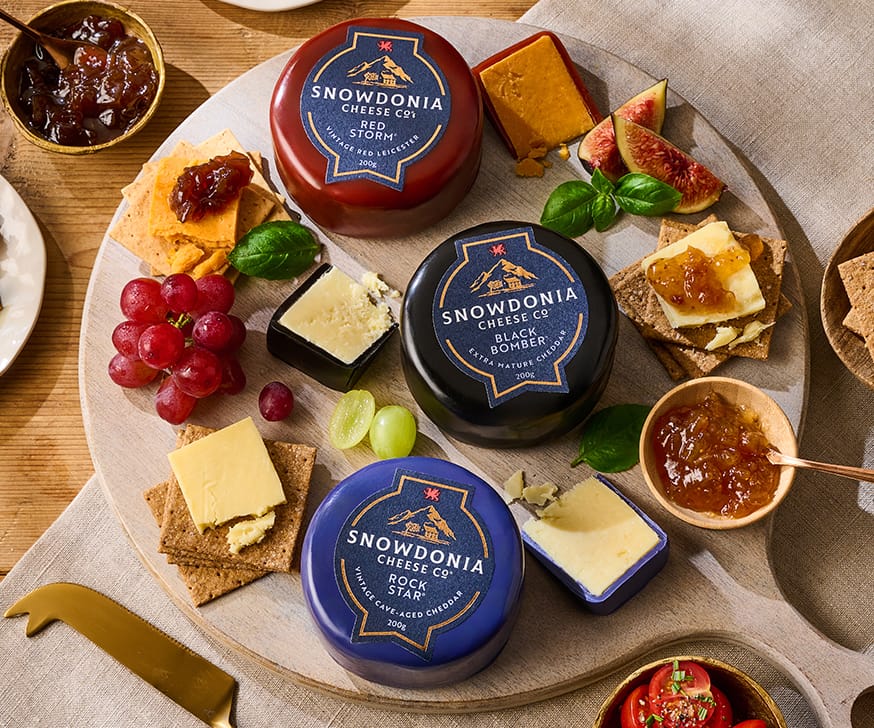
An extra mature Cheddar makes a useful anchor because its savoury flavour works with fruit, crackers and chutney. Black Bomber can fill that role with a smooth texture and strong Cheddar character. Once the anchor is chosen, the remaining cheeses should create contrast rather than repeat the same experience with minor differences.
A vintage Red Leicester such as Red Storm introduces a different colour and a rich, rounded profile. A smoked cheese such as Beech Wood changes the aroma before it changes the taste. A garlic and herb Cheddar such as Green Thunder adds a fresher savoury direction. These differences make the board easier to navigate.
The number of cheeses should match the size of the gathering. A smaller board can feel generous with three well-chosen truckles and a few accompaniments. A larger group may benefit from more variety, but every additional cheese should add something new. Repetition consumes space and makes portions harder to judge.
A host who wants a range built around clear flavour differences can review Snowdonia Cheese and choose one classic cheese, one flavoured cheese and one contrasting style. This simple structure gives guests enough choice without requiring a long explanation before anyone begins tasting.
Texture and accompaniments create balance
Cheese texture changes as it loses its refrigerator chill, so the board should not be assembled at the last possible moment. A waxed truckle can be brought towards room temperature before cutting. This makes the wax more supple and allows the cheese to show more aroma and flavour when it is served.
Crackers should support the cheese rather than dominate it. A wholemeal cracker works well with robust Cheddar, while a lighter crispbread gives a truffle or herb cheese more space. One or two cracker styles are usually enough. Too many seasoned biscuits can blur the distinctions between the cheeses.
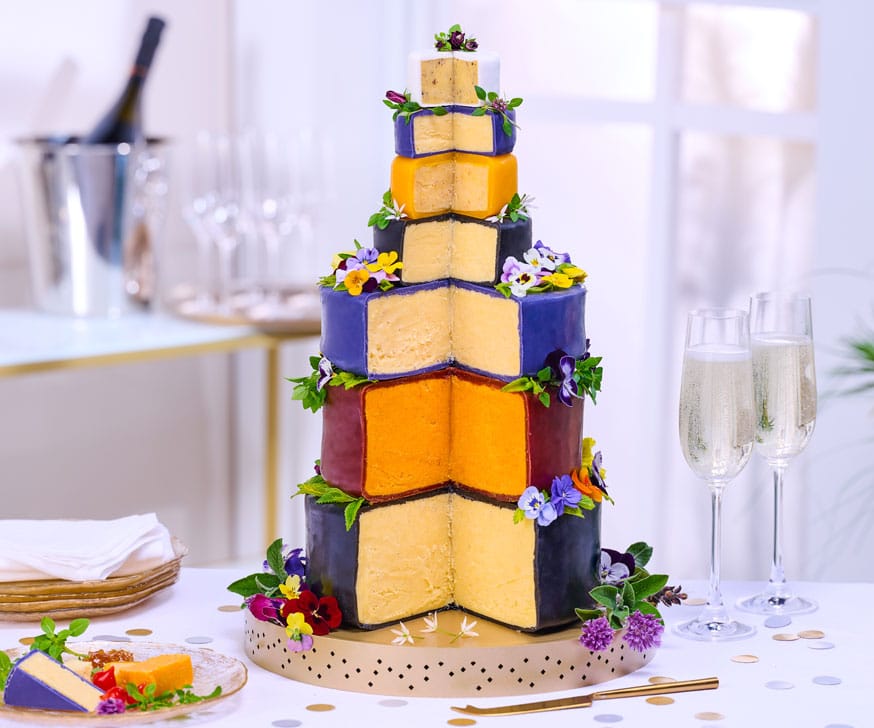
Fresh and dried fruit provide sweetness and moisture. Grapes, pear, apple, figs or dates can refresh the palate between stronger bites. Nuts add crunch, while olives or charcuterie bring salt and savoury depth. The board does not need every category. It needs enough contrast to keep one flavour from becoming tiring.
A shopper can explore Snowdonia Cheese and compare cheeses with chutneys, crackers and other accompaniments designed for sharing. The best additions are those that complete the selected truckles rather than distract from them with excessive spice, sugar or strong seasoning.
A practical cheeseboard checklist
A short review keeps the board varied, easy to serve and comfortable for guests to share.
- The selection should include at least one familiar cheese before stronger flavoured options are added.
- Each cheese should have enough space for a separate knife or a clearly defined cutting area.
- Fresh fruit should be washed and dried so moisture does not soften nearby crackers.
- A host can use Snowdonia Cheese to compare classic, smoked, spiced and fruit-infused truckles.
- Allergen information should be checked before accompaniments are placed on a shared board.
Serving order helps every cheese remain distinct
Guests can begin with the mildest or most familiar cheese and move towards smoke, chilli, truffle or spirit-infused flavours. This is not a strict rule, but it helps prevent a powerful cheese from overwhelming a subtler one. Small labels can identify each truckle without turning the board into a formal tasting session.
Portioning matters because waxed truckles can look smaller than they serve. Cutting part of each cheese and leaving part intact keeps the board neat. It also gives guests a clear place to begin. Extra pieces can remain chilled until they are needed rather than sitting out unnecessarily.
The wax may be left around some wedges for colour, but it should not be eaten. A sharp knife or cheese wire creates cleaner pieces than a blunt table knife. Different cuts can make the board more attractive, although practical pieces are more important than elaborate shapes that break when lifted.
Leftovers should return to suitable refrigeration promptly. Cut surfaces can be wrapped carefully to limit drying and prevent strong aromas from affecting other foods. Chutneys should be handled according to their storage instructions once opened. A tidy serving routine protects quality without interrupting the gathering.
The board itself should be large enough to prevent crowding. Cheese needs cutting space and wet accompaniments need small dishes. Leaving open areas makes the selection look more generous and allows guests to reach one item without dragging a sleeve or utensil across another.
A host ready to create a board with clear contrasts can discover Snowdonia Cheese and select cheeses that move from classic Cheddar to distinctive smoke, herbs, fruit or heat. The finished board works because every component has a reason to be there and every guest can find an easy place to start.