Real humanitarian work is not only about responding to emergencies. It is also about helping people rebuild confidence, regain stability and create a future that feels less vulnerable than the past. Muslim Aid has been working toward that goal since 1985, supporting communities affected by poverty, conflict, natural disasters and limited access to essential services. Its work includes emergency assistance, healthcare, education, clean water, child sponsorship and livelihood programmes, creating a broad approach that addresses both immediate needs and long-term development.
What makes this model especially meaningful is the way different programmes connect with one another. Food and shelter may help a family survive a crisis, while education, safe water and income opportunities can help that same family move toward greater independence in the years that follow.
Emergency Support Can Become the First Step Toward Recovery
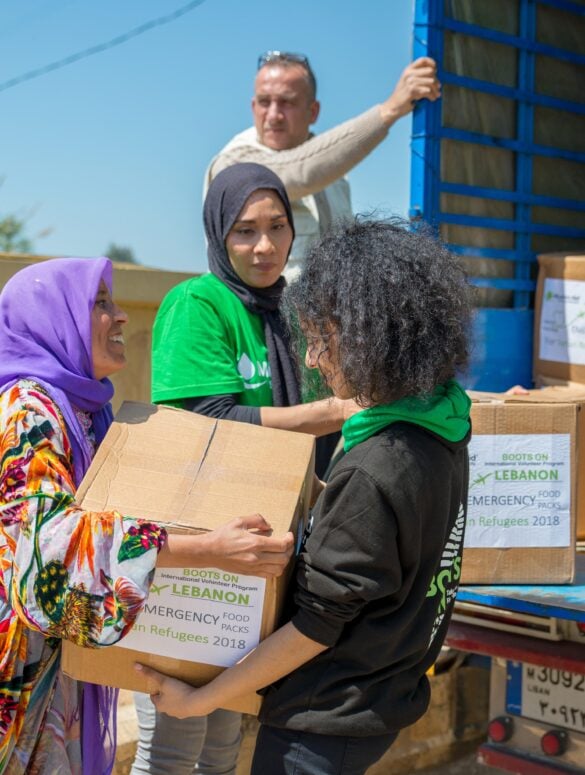
When conflict, flooding, earthquakes or displacement affect a community, the first priority is often survival. Families may suddenly lose homes, income, food supplies and access to medical care, leaving them dependent on urgent external support. Muslim Aid responds to these situations through emergency relief that can include food, water, shelter and other essential assistance. The aim is to reach vulnerable people during the most critical stage of a crisis, when even basic daily needs may become difficult to meet. However, the response does not have to end once the immediate emergency begins to settle. Longer-term rehabilitation and development can help affected communities rebuild in a way that is more stable and sustainable.
Water Projects Improve More Than Health
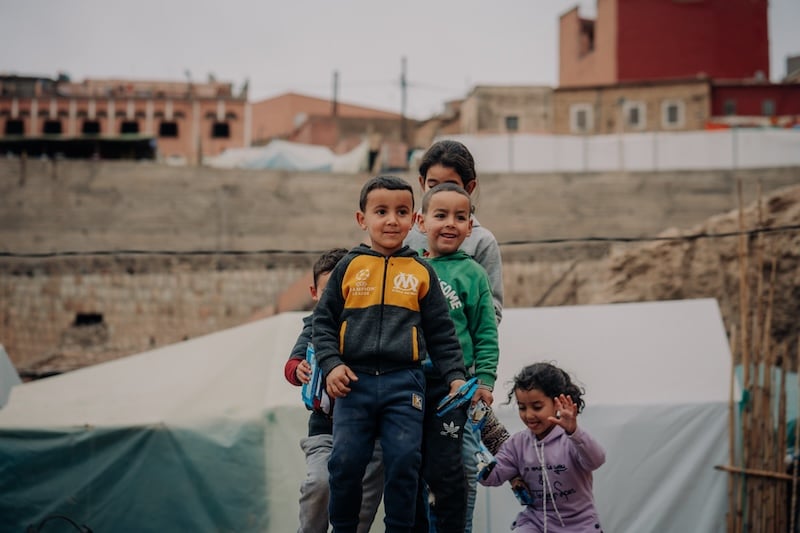
Clean water is one of the most basic human needs, yet millions of people around the world still live without reliable access to it. The consequences affect health, education, family life and economic opportunity all at once. Muslim Aid supports water projects designed to improve access to safer water sources in vulnerable communities. For families who previously had to travel long distances to collect water, a nearby source can save hours every day. Children may gain more time for school, while adults can focus more on work and household responsibilities. In this way, a water project can become far more than an infrastructure improvement—it can create new possibilities across the entire community.
Key Areas Where Muslim Aid Creates Impact
The organisation works across several connected areas to support people facing both short-term crises and long-term poverty.
- Emergency relief helps communities affected by disasters, conflict and displacement.
- Clean water projects improve access to safer water for drinking and daily use.
- Healthcare support helps vulnerable people access essential treatment and medical services.
- Education programmes create learning opportunities for children and young people.
- Child sponsorship supports children while also strengthening the communities around them.
- Livelihood initiatives help families develop skills and income-generating opportunities.
- Food assistance supports households facing hunger or severe financial hardship.
- Zakat and Sadaqah programmes connect charitable giving with projects for vulnerable communities.
Education Can Change the Direction of a Child’s Future
A school place can represent much more than a classroom. For children growing up in poverty or crisis-affected areas, education can create a path toward skills, confidence and future employment. Muslim Aid includes education as a central part of its development work and pays particular attention to access for girls and other vulnerable groups. Supporting learning can help reduce the long-term effects of poverty by giving young people more control over their future. Education also strengthens communities in broader ways. When more children complete school, families can benefit from greater knowledge, improved earning potential and stronger participation in community life.
For many supporters, charitable giving is connected to faith as well as compassion. Muslim Aid provides channels for Zakat, Sadaqah and other forms of giving to be directed toward people in need. These donations can support practical programmes such as food assistance, water, healthcare and poverty reduction. This creates a direct connection between personal acts of generosity and broader humanitarian work. The value of this approach lies in turning intention into structured support. Donations become part of projects designed to address real needs rather than remaining isolated acts without long-term direction.
Local Understanding Makes Humanitarian Work More Effective
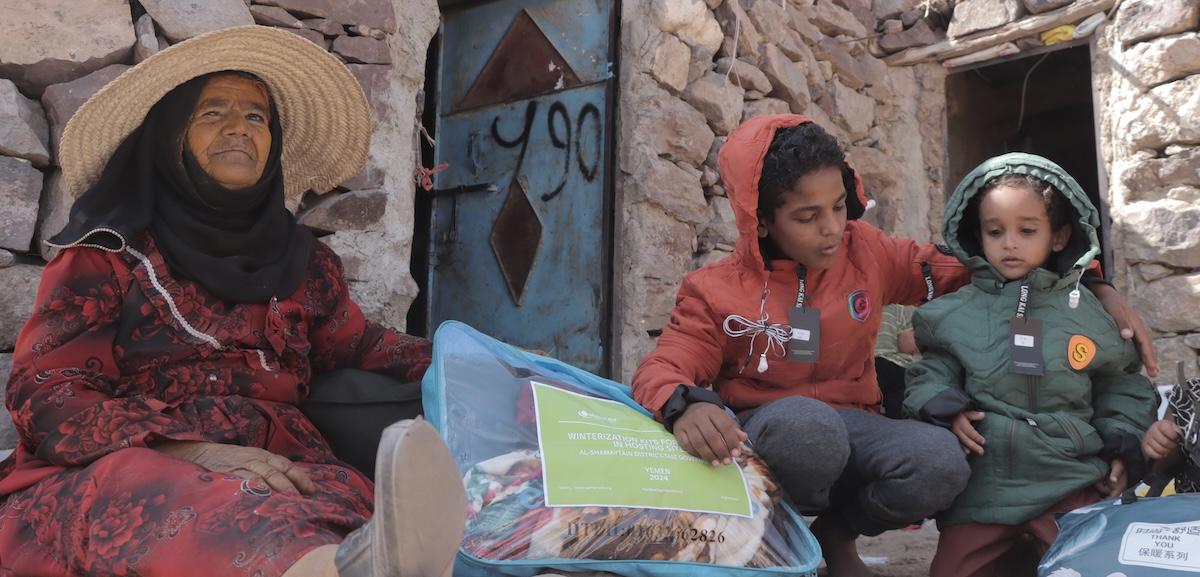
Every community faces different challenges. A village affected by drought requires a very different response from a city dealing with conflict or a coastal region recovering from flooding. Muslim Aid works through local teams, field offices and partner organisations to better understand what each community actually needs. This local knowledge helps shape programmes that are more relevant and realistic. Listening to communities is especially important in long-term development. Sustainable change is more likely when people are involved in shaping the solutions that affect their own lives rather than simply receiving decisions made from far away.
Hope Becomes Stronger When Support Lasts
The most powerful humanitarian programmes are often those that connect immediate relief with long-term opportunity. A food parcel may help a family survive a difficult month, but education, healthcare, water and livelihoods can help change what the next several years look like. Muslim Aid’s work reflects this wider view of support. It responds to urgent needs while also investing in programmes designed to improve independence, dignity and resilience.
That is what turns charity into something more lasting. A donation may begin as one act of kindness, but when it becomes part of a structured programme, it can help create healthier families, stronger communities and futures that feel more secure than before. For Muslim Aid, compassion is not only about helping people through hardship—it is about helping them move beyond it.