Humanitarian support becomes most meaningful when it does more than respond to the crisis of today and begins creating possibilities for tomorrow. Muslim Aid has followed this principle since its establishment in the UK in 1985, when it was created in response to devastating humanitarian need in Africa. Over the decades, the organisation has grown into an international faith-based charity supporting people affected by poverty, conflict, natural disasters, hunger and limited access to essential services.
Its work stretches from emergency food and medical assistance to safe water, education, livelihood programmes and child sponsorship. Importantly, Muslim Aid states that assistance is provided according to need regardless of race, religion, gender, nationality or political opinion, placing human dignity at the heart of its humanitarian mission.
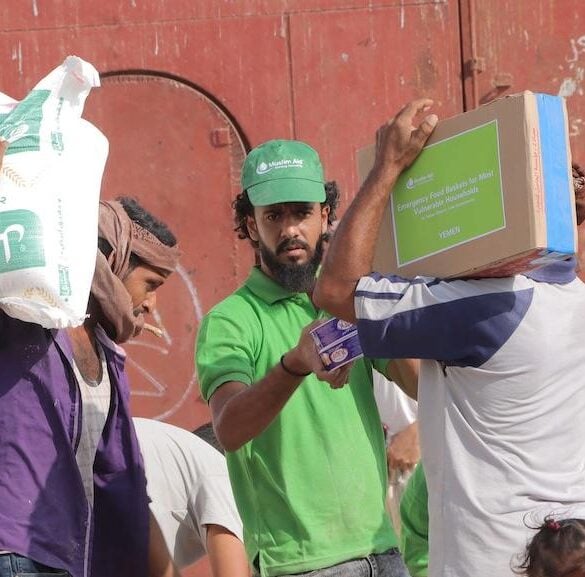
Emergency Relief Reaches People When Every Hour Matters
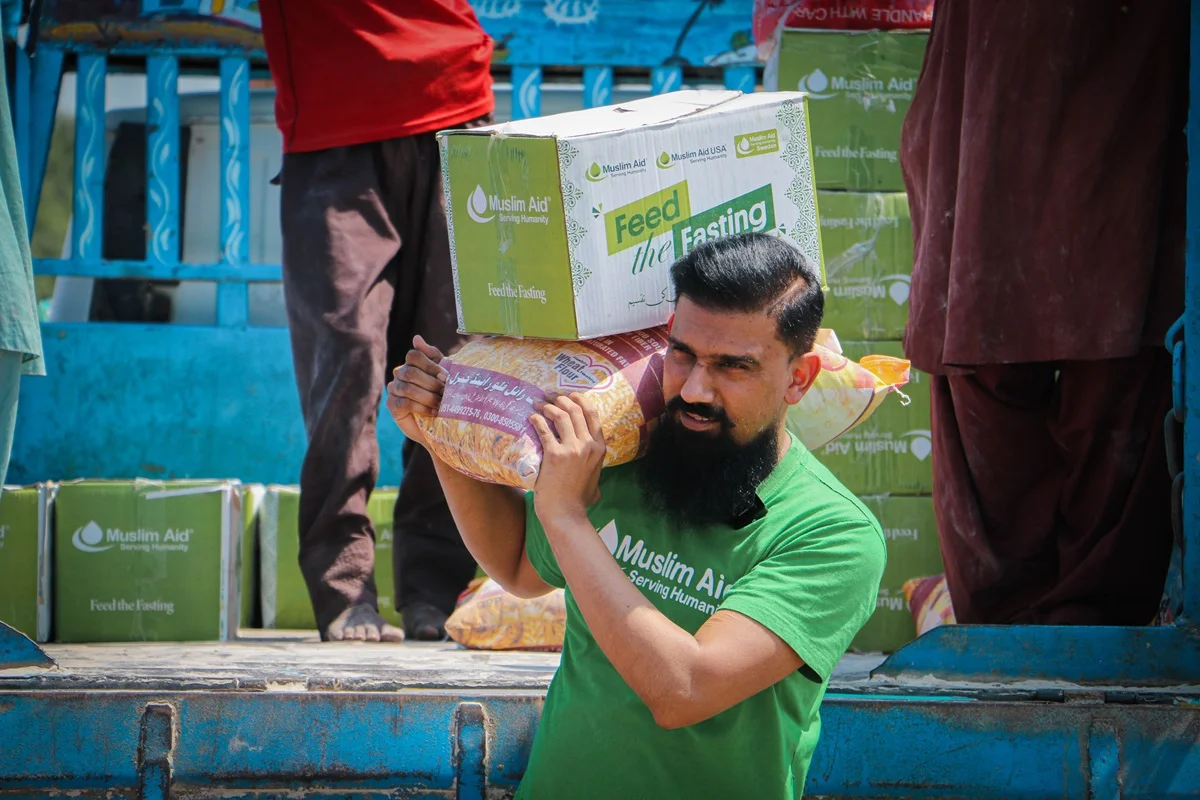
Natural disasters and conflicts can change thousands of lives within moments. Homes disappear, families become displaced and access to food, clean water, shelter and medical treatment can suddenly become uncertain. Muslim Aid responds to emergencies by working through field offices and partners to provide urgent assistance to affected communities.
Emergency response remains one of the organisation’s major priorities, but its approach does not end when the immediate crisis becomes less visible. Muslim Aid also connects relief work with rehabilitation and longer-term development, helping communities move from survival toward rebuilding their lives with greater stability.
Safe Water Can Transform an Entire Community
Access to clean water affects almost every part of daily life. Without it, families may spend hours collecting water, children can miss school and communities face increased risks from water-related illness. This makes safe water one of the most fundamental areas of humanitarian development.
Muslim Aid includes clean-water provision within its long-term poverty-reduction work. Water projects can support healthier households while also giving families more time for education, employment and other activities that improve their future.
A reliable water source does more than satisfy immediate thirst. It can strengthen health, dignity and opportunity across an entire community, which is why water remains an important part of Muslim Aid’s wider development programmes.
Muslim Aid Projects Address Different Parts of Poverty
Poverty rarely has a single cause, which means meaningful support often needs to address several challenges at once. Muslim Aid works across a broad range of humanitarian and development areas.
- Emergency relief provides assistance to communities affected by conflict, disasters and displacement.
- Safe-water programmes work to improve access to one of life’s most essential necessities.
- Healthcare projects support vulnerable communities and place particular focus on children and mothers.
- Education initiatives aim to expand access to learning, including opportunities for girls.
- Child sponsorship supports children while also investing in the welfare of their surrounding communities.
- Livelihood and skills programmes help families develop more sustainable ways of generating income.
- Orphan and widow support focuses on people who may face additional economic and social vulnerability.
- Zakat and Sadaqah initiatives allow donors to connect charitable giving with projects supporting people in need.
Education Creates Opportunities That Can Last for Generations
Food and shelter may answer immediate needs, but education can influence a person’s future for decades. Muslim Aid treats access to education as an important part of breaking cycles of poverty and creating greater independence.
The organisation gives particular attention to enabling girls to attend school, recognizing that education can create wider opportunities for future generations. Educational programmes also complement other development work by giving young people the knowledge and skills needed to participate more fully in their communities.
When children have the opportunity to learn in safer and more supportive environments, the impact can extend far beyond the individual student. Education can strengthen families, increase economic opportunity and help communities become more resilient over time.
Decades of Work Have Taken Muslim Aid Around the World
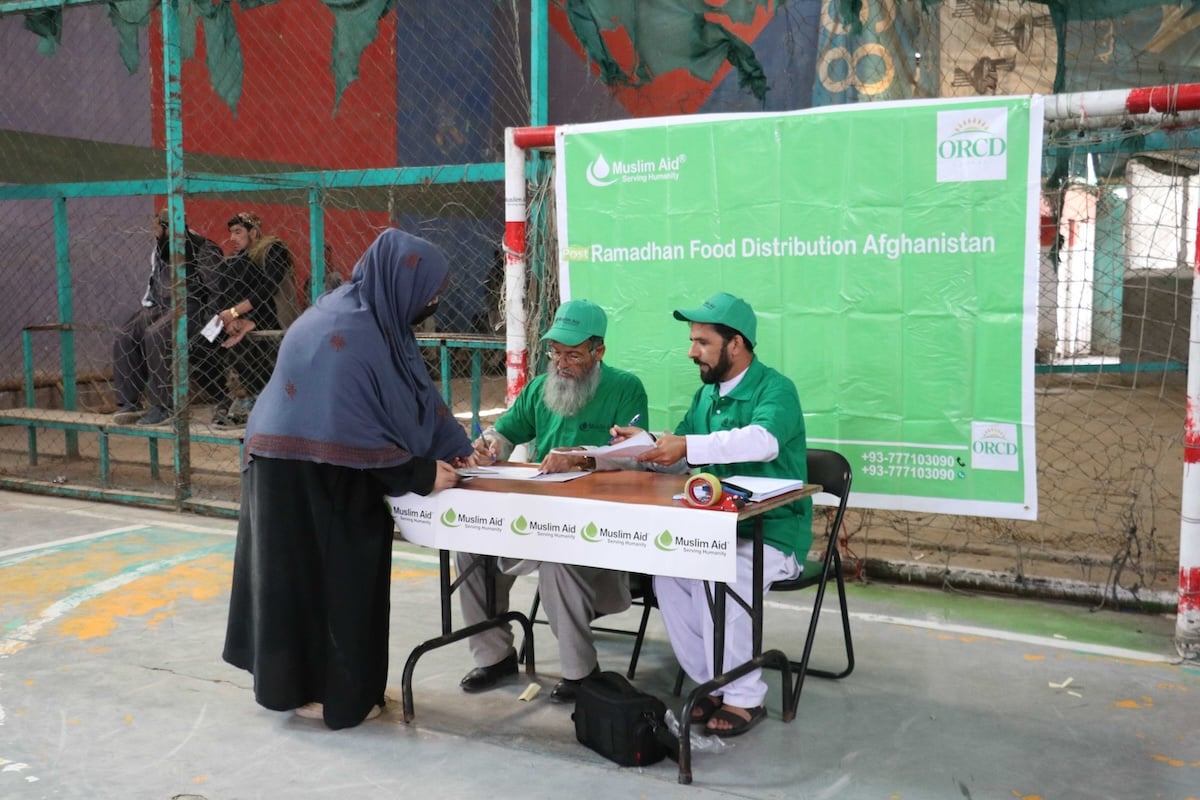
What began as a response to humanitarian crisis in 1985 has developed into work across numerous countries. Muslim Aid currently highlights programmes and operations in locations including Afghanistan, Bangladesh, Bosnia and Herzegovina, Indonesia, Myanmar, Pakistan, Palestine, Sierra Leone, Somalia, Sri Lanka, Sudan, Syria, the United Kingdom and Yemen.
Muslim Aid works through field offices and trusted partners and emphasizes consultation with communities. That helps move humanitarian work away from a one-size-fits-all model and toward programmes shaped by actual local needs.
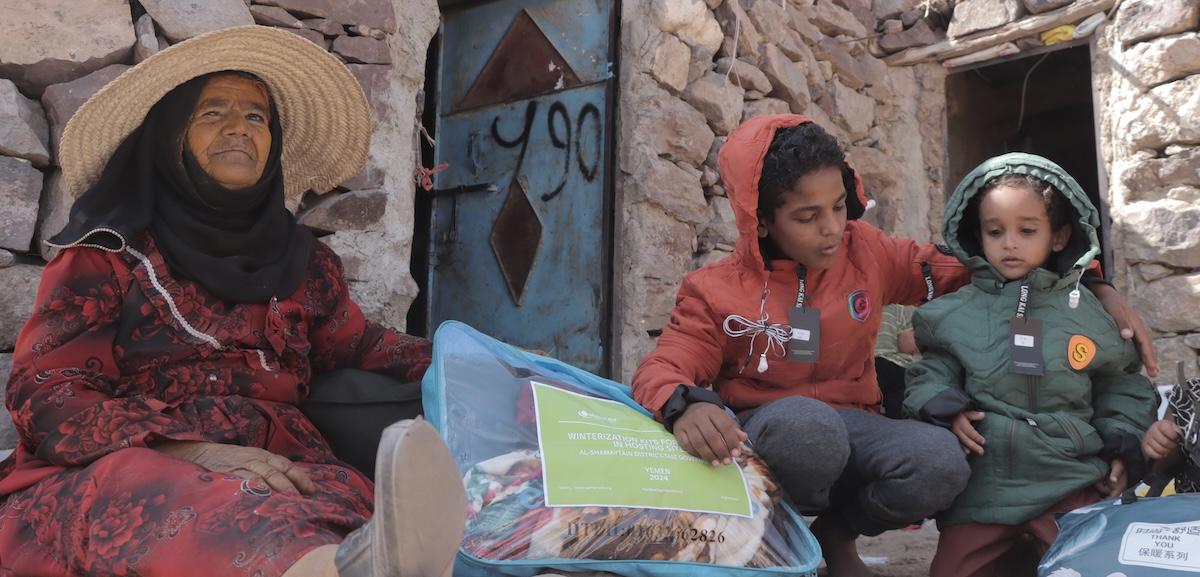
Compassion Becomes Most Powerful When It Creates a Future
The most visible moment of humanitarian work is often the emergency response: food arriving, clean water becoming available or medical treatment reaching someone in urgent need. Yet the deeper impact can emerge much later, when a child remains in education, a family develops an income or a community gains reliable access to healthcare and water.
Muslim Aid brings these two sides of humanitarian action together. It responds when people urgently need help while also investing in projects intended to strengthen independence, opportunity and dignity over the longer term.
For donors, supporters and volunteers, that creates a powerful idea behind every contribution. Compassion does not have to end with temporary relief. When it is connected with education, healthcare, safe water and sustainable livelihoods, a single act of giving can become part of a much longer story—one in which communities are not simply helped through hardship, but supported in building stronger futures of their own.