
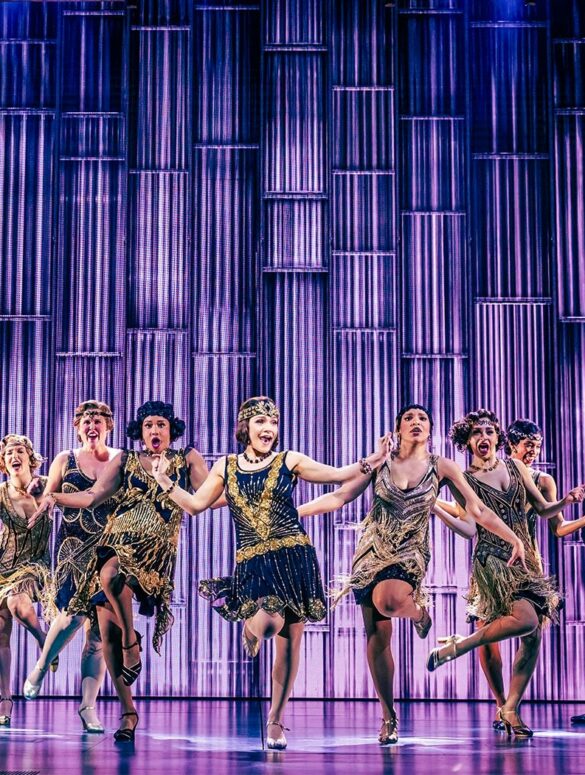
A musical score does more than fill the space between scenes. It can expose private motives, sharpen conflict and show how a character changes under pressure. In a production built around wealth, desire and carefully managed appearances, the contrast between intimate songs and full-company numbers becomes part of the storytelling. A theatergoer interested in hearing those layers can explore The Great Gatsby Broadway and follow how the score connects emotion with spectacle.

A character song creates a private point of view
A character may say one thing in dialogue while the music reveals something less controlled. Melody can lengthen a hesitation, repeat a thought or make a confident statement sound fragile. When a song begins after a tense exchange, the audience can listen for the difference between the public position and the feeling that appears once the character is given musical space.
Rhythm also affects interpretation. A steady pulse can suggest determination, while a melody that resists settling may reflect uncertainty. The effect does not need to be explained in the lyrics. The combination of tempo, harmony and vocal delivery can let the audience sense conflict before the character is willing to name it.
The placement of a song matters as much as its style. A solo that follows a crowded scene can feel unusually exposed because the character has just moved from social performance to private reflection. A duet can reveal whether two people are truly listening to each other or simply singing different versions of the same hope.
A listener who wants to examine how these choices support the central relationships can review The Great Gatsby Broadway and pay attention to the point at which each major character receives a musical perspective. The sequence helps define whose desires drive the action and whose warnings remain unheard.
Contrast gives the score dramatic shape
Large ensemble numbers create scale, but their most useful role is often contrast. A bright arrangement can surround a scene of emotional discomfort, making the gap between appearance and reality more visible. The audience may enjoy the energy while also noticing that a central character is becoming isolated inside the celebration.
A jazz and pop influenced score can move between rhythmic excitement and direct emotional language. That mixture allows the production to feel expansive without losing clarity. The score can support dance, establish social pressure and then narrow its focus when a character needs to confront a choice.
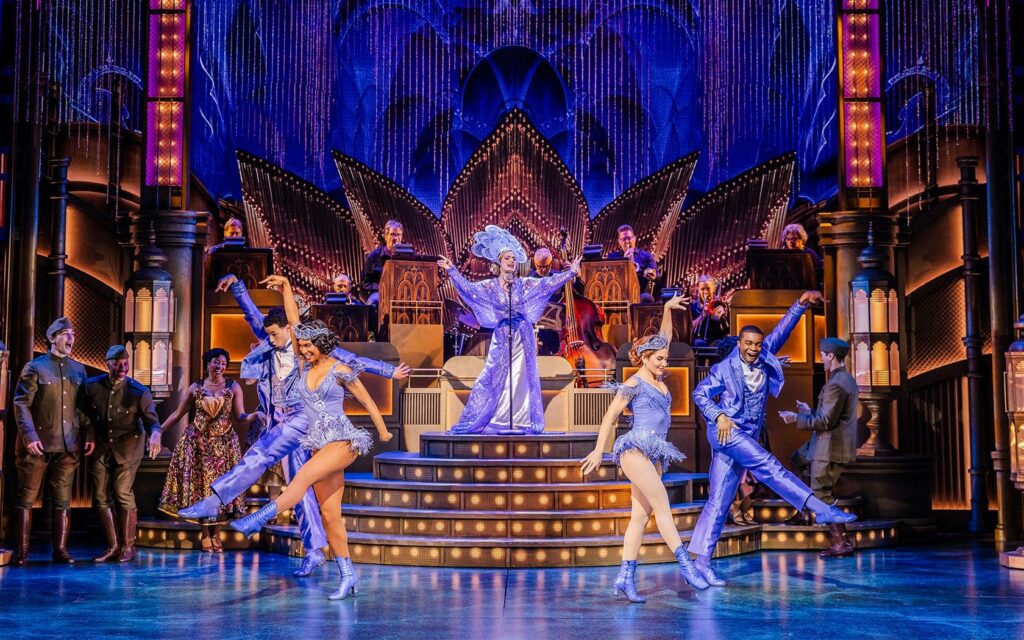
Reprises are especially informative. When a musical idea returns with different orchestration or altered lyrics, the audience can compare the character’s earlier expectations with the present situation. The repeated material creates continuity while showing that the same words no longer carry the same confidence.
A theatergoer can explore The Great Gatsby Broadway and listen for changes in volume, instrumentation and vocal arrangement across the performance. Those shifts reveal how the production moves from invitation to tension without relying on dialogue alone.
Listening points that clarify the story
A focused listening approach helps the audience notice structure without turning the performance into a technical exercise.
- A recurring melody may connect a character’s private wish with later consequences.
- A duet can show disagreement even when both characters appear to share the same goal.
- A sudden change in rhythm can signal that a social scene is becoming emotionally unstable.
- A listener can use The Great Gatsby Broadway to compare intimate songs with the production’s largest ensemble sequences.
- A reprise often reveals how confidence, hope or control has changed since the melody first appeared.
The score becomes clearer when themes are followed
The audience does not need musical training to recognise a returning idea. A distinctive phrase, rhythmic pattern or orchestral colour can be enough. When that element reappears, the listener can ask which character is present, what has changed and whether the music now supports or challenges the words being sung.
Vocal combinations also carry meaning. A solo places one perspective at the centre. A duet can create intimacy or opposition. A trio may allow several motives to compete at once. A full ensemble can make an individual feel supported, watched or overwhelmed depending on how the voices are arranged around that person.
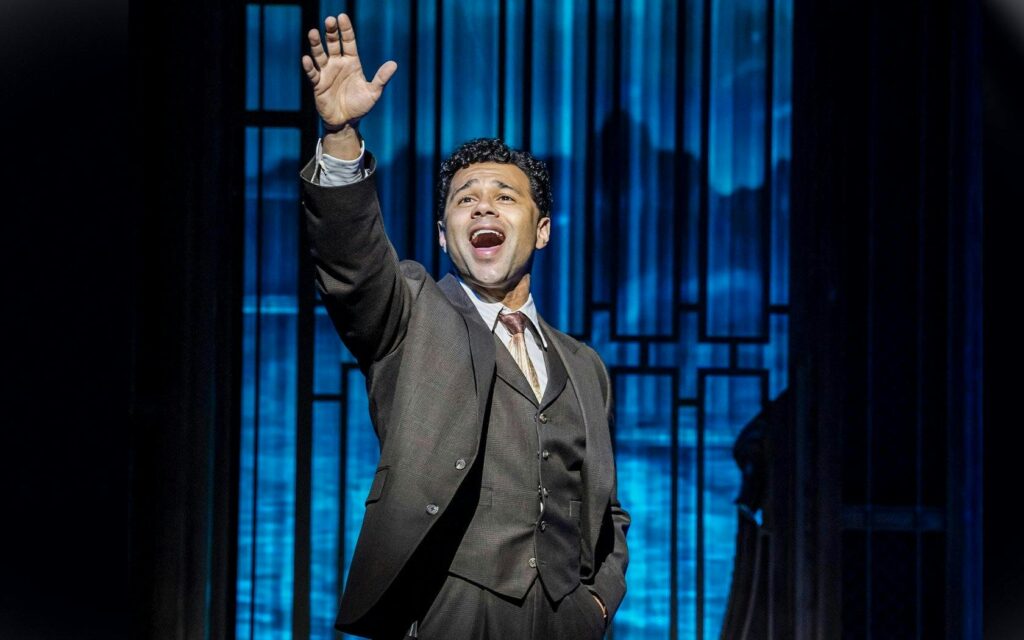
Silence deserves equal attention. A pause before a final line or the sudden removal of accompaniment can make a simple statement feel decisive. The absence of music briefly removes the protection of spectacle and directs attention toward the actor’s breath, timing and physical response.
Listening before or after the live performance can deepen recognition, but the stage adds information that a recording cannot provide. Movement, lighting and proximity affect how a song lands. The same melody can feel confident in isolation and unsettling when paired with another character’s reaction.
A theatergoer ready to follow the production through its musical choices can discover The Great Gatsby Broadway and treat the score as a map of desire, pressure and consequence. The most revealing moments often occur when the music sounds polished while the character underneath it is beginning to lose control.