
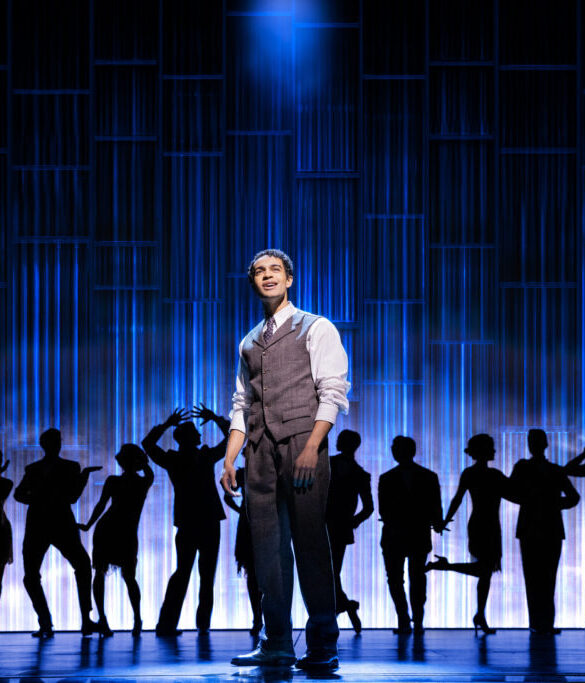
Set design and lighting shape the audience’s understanding before a character speaks. Architecture can suggest power, distance or instability, while light can make the same location feel inviting in one scene and threatening in another. In a musical built around display and longing, visual design becomes a form of narration. A theatergoer can explore The Great Gatsby Broadway and watch how the production’s physical world changes with the emotional stakes.
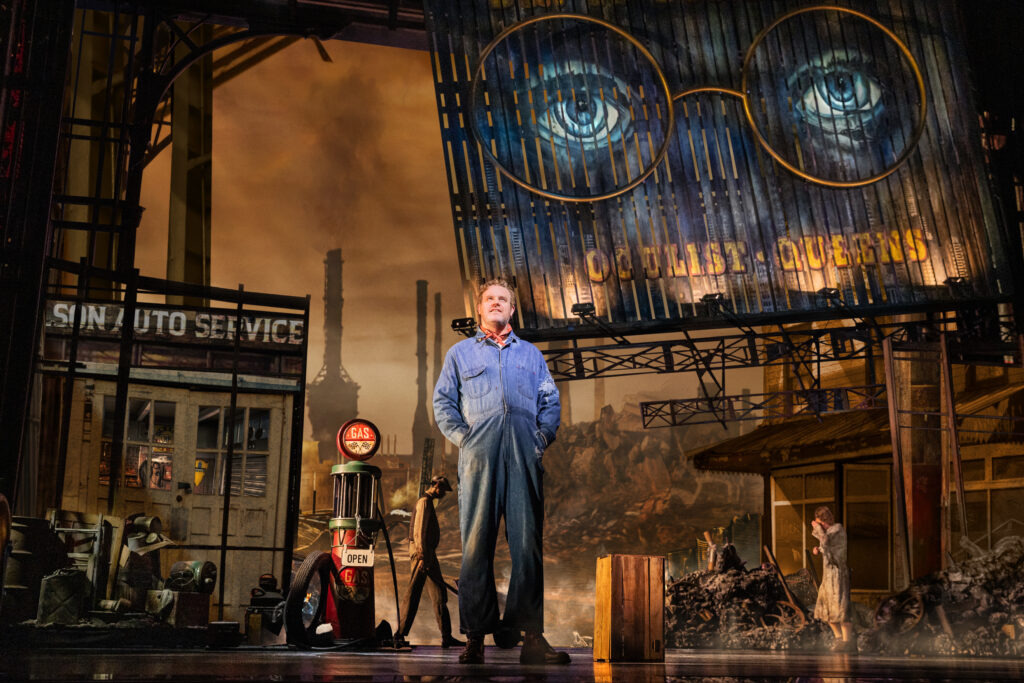
Scenery establishes scale and control
A large scenic environment can make a host appear capable of controlling every detail. Wide stairs, polished surfaces and carefully framed entrances create a sense of order. The audience should also notice who is required to cross that space and who seems naturally placed within it, because comfort inside the setting often reflects social power.
Levels influence relationships. A character positioned above another may appear dominant, distant or unreachable. When two people finally share the same level, the visual change can support a moment of honesty. The set therefore gives the director a way to express emotional distance without adding dialogue.
Open space and crowded space carry different meanings. A room filled with performers can feel generous and exciting, but the same architecture may look empty once the crowd leaves. That contrast can expose how dependent the atmosphere was on movement, music and attention.
A viewer who wants to examine how scenery frames the major relationships can review The Great Gatsby Broadway and follow the repeated use of doors, stairs and gathering areas. These structures determine where characters can hide, observe or make an entrance that changes the room.
Lighting changes the meaning of familiar places
Light can direct the eye more quickly than scenery can move. A narrow focus isolates a private thought, while a broad wash returns the audience to the social environment. When the lighting shifts inside the same location, the production can move from celebration to confrontation without interrupting the scene.
Colour also carries emotional information. Warm tones can make a space feel generous or nostalgic, while cooler light may reveal distance and uncertainty. The audience does not need to assign a fixed meaning to every colour. The important question is how the palette changes when a character’s expectations are challenged.
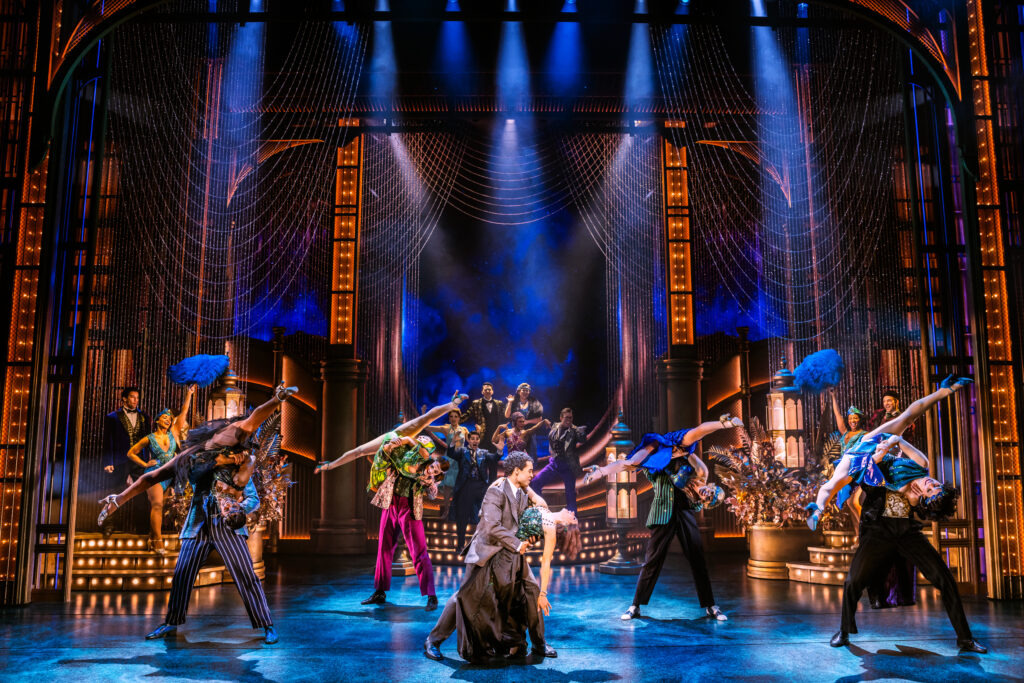
Brightness can be deceptive. An intensely lit party may still contain emotional shadows, especially when one person remains outside the strongest area of light. A dimmer scene can feel more truthful if it allows characters to stop performing for the room and speak with greater directness.
A theatergoer can explore The Great Gatsby Broadway and observe how visual emphasis moves between Gatsby, Daisy, Nick and the surrounding company. The lighting often shows whose perspective matters before the dialogue confirms it.
Visual signals that support the drama
A few recurring design choices can help the audience read the stage with greater precision.
- A character placed at the edge of a bright composition may be present without fully belonging.
- A staircase can represent access, distance or the effort required to reach another person.
- A rapid lighting change can reveal emotional danger before the scene becomes openly confrontational.
- A viewer can use The Great Gatsby Broadway to compare the visual scale of public scenes with private exchanges.
- An empty set after a crowded sequence can expose the fragility of the spectacle that came before it.
Transitions reveal how the production thinks
Scene changes are not merely practical interruptions. A visible transition can show one world replacing another, while a seamless shift may suggest that private conflict exists inside the same social display. The speed and style of each change affect whether the audience feels release, pressure or continuity.
Performers often participate in transitions, which keeps the human story connected to the scenery. A piece of furniture moved by the ensemble can become part of the choreography. A character who remains onstage while the environment changes may appear unable to escape a memory or decision.
Projections and reflective surfaces can add another layer. They may enlarge an image, multiply a figure or make the stage seem less stable. The audience should notice whether these devices clarify a character’s point of view or deliberately make appearances harder to trust.
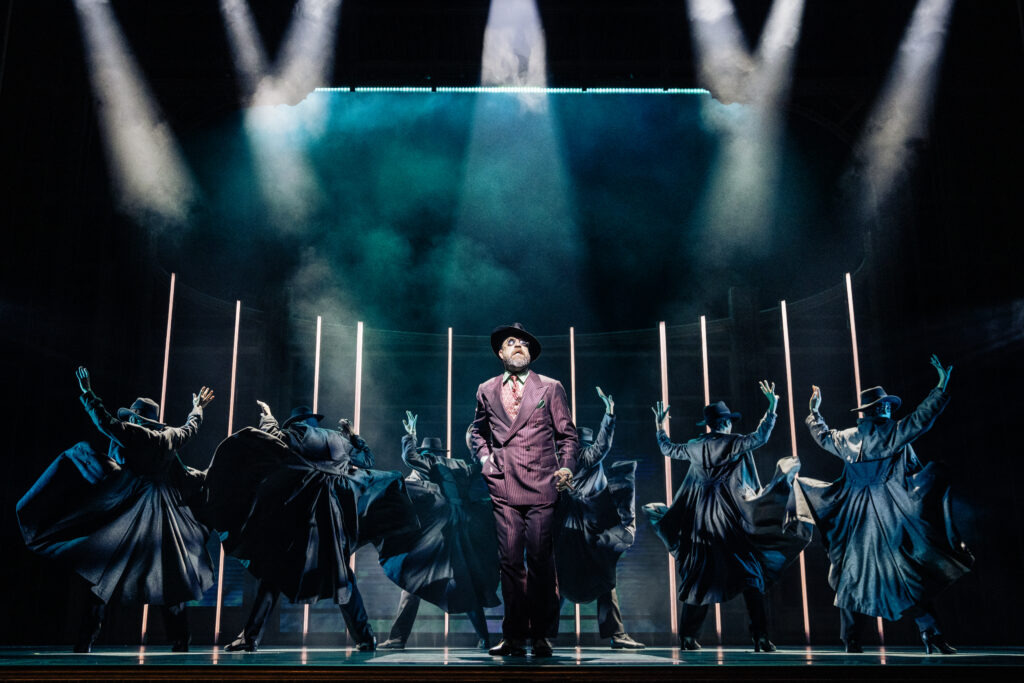
The strongest design choices support the action rather than competing with it. A spectacular image has dramatic value when it changes how the audience reads a relationship. Scale alone may impress, but scale connected to character gives the visual moment lasting meaning.
The visual world can also influence how the audience remembers a scene. A repeated doorway, strong silhouette or specific lighting angle may return with a changed emotional meaning. Recognition creates continuity and allows the production to show that a familiar place no longer offers the same promise or security.
A theatergoer ready to treat design as part of the script can discover The Great Gatsby Broadway and follow the visual journey from polished invitation to emotional exposure. The set and lighting do not simply decorate the story. They show how quickly a carefully built world can change when desire meets reality.