

A story with several competing desires can become difficult to follow when spectacle surrounds every conversation. The clearest approach is to track what each central character wants, what that person is willing to reveal and how the ensemble responds. A theatergoer who wants a character-focused viewing experience can explore The Great Gatsby Broadway and watch how Gatsby, Daisy, Nick and the wider company shape one another’s choices.
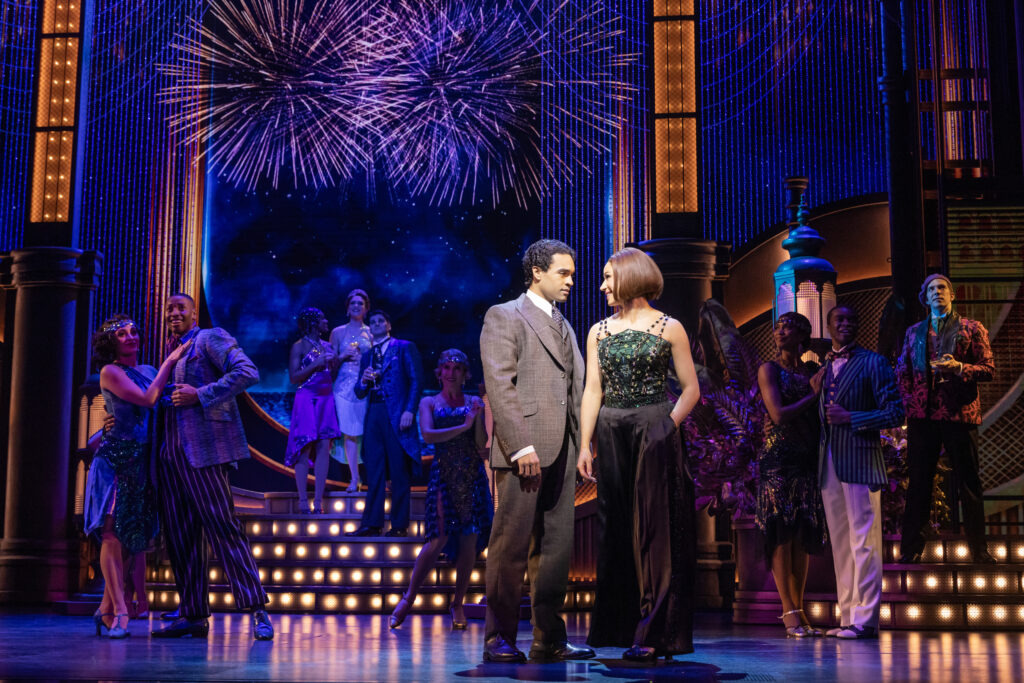
Each major character enters with a different need
Gatsby’s actions are driven by an ideal that he believes can be made real through effort, presentation and persistence. The audience can follow the gap between what he controls and what remains dependent on other people. His confidence becomes more revealing when a scene forces him to wait for a response.
Daisy’s position is shaped by desire, pressure and the consequences attached to any decision. Her character becomes clearer when the audience watches not only what she says but when she changes the subject, accepts attention or withdraws from a difficult exchange. Those shifts show the limits of simple romantic interpretation.
Nick often provides access to the world while remaining a participant inside it. The audience can ask when he observes, when he judges and when he allows events to continue. His distance is never complete, because every act of witnessing also affects how the story is framed.
A viewer can review The Great Gatsby Broadway and identify the primary need carried by each character into a scene. That small habit keeps the plot clear even when music, dance and visual scale compete for attention.
Secondary characters sharpen the central conflict
Tom represents more than a romantic obstacle. His confidence is connected to position, entitlement and the expectation that the surrounding world will remain available to him. The audience can watch how his physical placement and vocal tone change when that expectation is threatened.
Myrtle’s choices reveal another version of longing. Her scenes can be read alongside Gatsby’s because both characters imagine that entry into a different life will solve a deeper dissatisfaction. The differences in how the world responds to them expose the unequal risks attached to ambition.
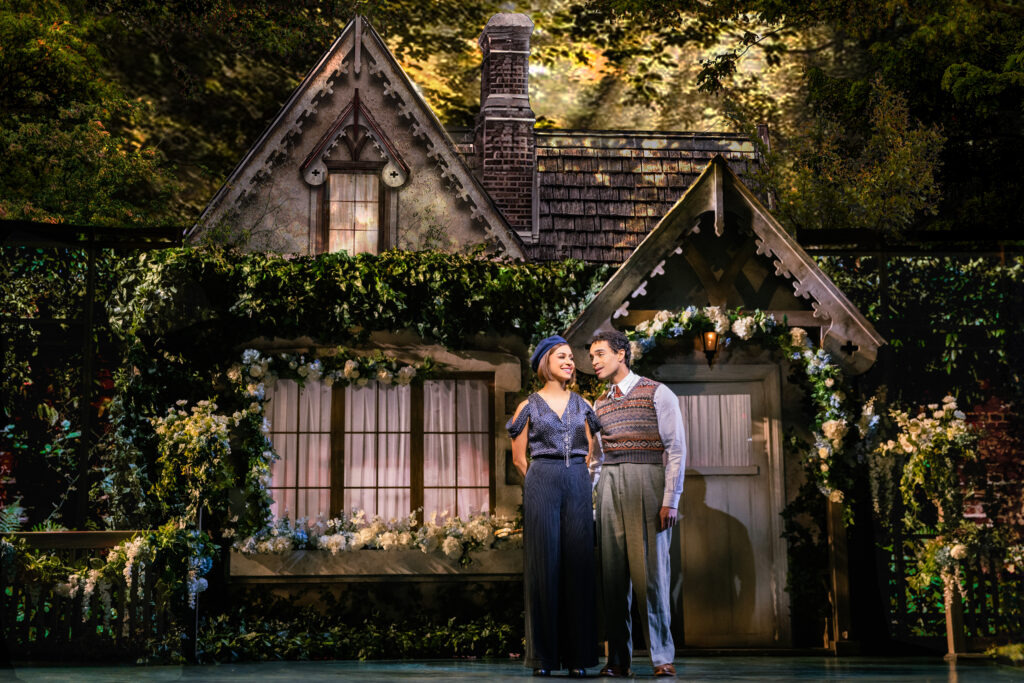
Jordan often brings a clearer awareness of social performance. Her reactions can help the audience understand when a gathering is sincere and when it is operating through image, competition or strategic silence. A brief look from Jordan may carry information that the central conversation avoids.
A theatergoer can explore The Great Gatsby Broadway and compare how the production gives space to these supporting perspectives. They prevent the main relationship from becoming isolated and show that every private decision creates effects across a larger network.
Character signals worth tracking
The audience can follow a few consistent signals to keep emotional motives clear throughout the production.
- A character’s position in the room can reveal confidence, exclusion or an attempt to control the encounter.
- A repeated phrase may sound different when the speaker’s circumstances have changed.
- A silent reaction can show recognition before the character is ready to speak.
- A viewer can use The Great Gatsby Broadway to compare each lead character’s private songs with public behaviour.
- An ensemble response can reveal how quickly personal conflict becomes social knowledge.
The ensemble shows the cost of private choices
The company creates the social environment in which the central characters perform. Its enthusiasm can validate an image, while its withdrawal can leave a character exposed. The ensemble therefore helps the audience measure how much of a person’s identity depends on being seen in a particular way.
Crowd scenes also reveal information through contrast. One character may appear still while everyone else moves. A pair may also become separated by a stream of dancers. These arrangements make emotional distance visible and keep the larger production connected to the intimate story.
The audience can avoid losing the plot by asking one question after each major scene. Which character gained more control and which character became more dependent on someone else’s decision. That question turns a complex sequence into a clear change in power.
A second useful question concerns knowledge. Some characters understand more than they admit, while others act on incomplete information. Watching who overhears, who arrives late and who misreads a reaction makes later conflict feel earned rather than sudden.
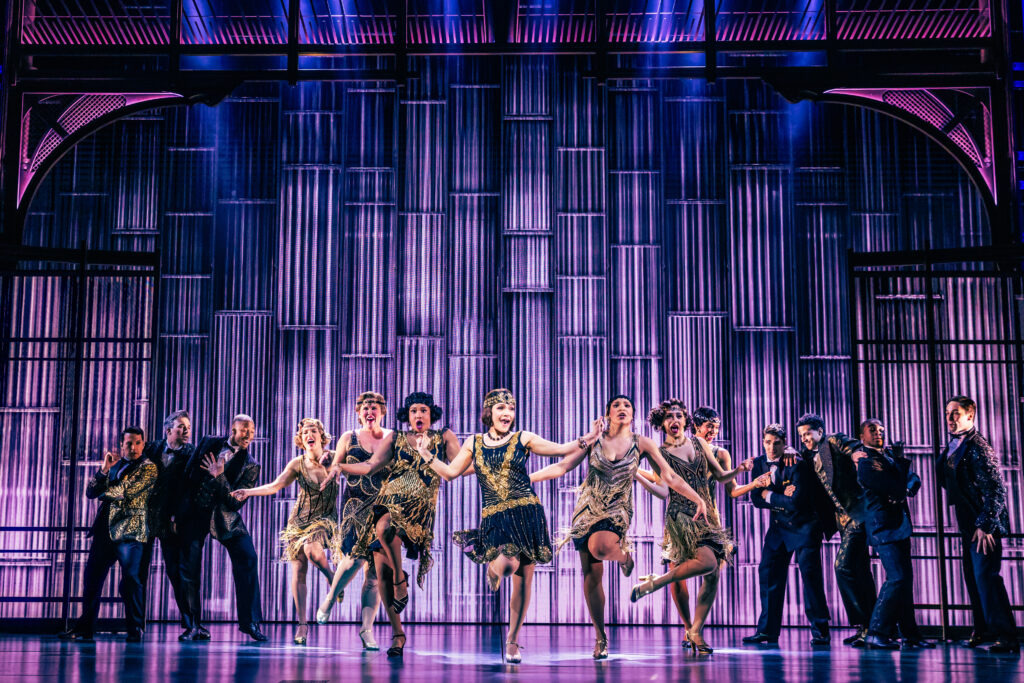
Costume, movement and musical style can help separate the perspectives when several characters share the stage. One person may occupy a formal posture while another moves more freely. A recurring musical texture may belong to a particular desire. These signals allow the audience to follow motive even when the scene changes quickly.
The characters should not be reduced to simple moral labels. Each person combines self-protection, longing and incomplete knowledge in a different way. Watching those mixtures produces a richer experience than deciding too early who deserves sympathy and who deserves blame.
A theatergoer interested in the full character network can discover The Great Gatsby Broadway and treat the ensemble as evidence rather than background. The central relationships remain important, but the surrounding figures show how desire, reputation and consequence spread through the entire stage world.