
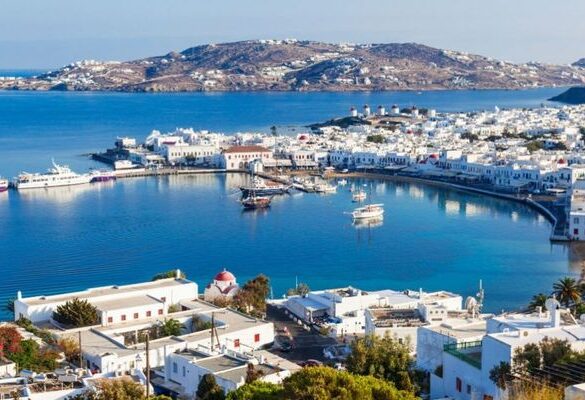
The Mediterranean has long captivated travellers seeking azure waters, ancient ruins and cosmopolitan island culture. Yet planning a successful Mediterranean ferry adventure requires more than romantic notions and a valid passport. This comprehensive guide walks you through route selection, timing considerations and practical strategies that transform Mediterranean island hopping from a dream into a seamlessly executed reality.
Mapping the Mediterranean Ferry Network
The Mediterranean’s ferry infrastructure represents one of Europe’s most sophisticated maritime transport networks. Greece dominates with thousands of kilometres of interconnected routes serving the Aegean and Ionian seas. Croatia’s Dalmatian coast stretches southward offering spectacular ferry passages between mountainous shores. Italy maintains ferry links to Sardinia, Corsica and Sicily, whilst Spain serves the Balearic Islands. Turkey completes the network with connections to Greek islands and Cyprus.
Understanding regional clusters helps immensely. The Greek network divides into distinct zones Cyclades (Santorini, Mykonos, Paros), Dodecanese (Rhodes, Kos), Sporades (Skiathos, Skopelos) and Crete standing alone. Each cluster offers internal ferry connections allowing circuit-style travels where you return to your starting point. Ferryhopper UK breaks these networks into digestible planning tools, showing exactly which islands connect and on what schedules.
Choosing Your Mediterranean Season
Seasonal timing profoundly impacts your ferry experience. Summer (June–August) guarantees maximum ferry frequency, warm seas and abundant sunshine, but demands advance booking and brings tourist crowds. Hotels fill months ahead, prices triple and romantic island experiences give way to crowded beaches.
Spring (April–May) and autumn (September–October) offer superior compromises. May brings comfortable temperatures, reduced crowds and frequent ferries without summer’s peak heat. September maintains warm swimming but experiences fewer tourists than August. Weather remains predictable and accommodation costs moderate.
Winter significantly challenges ferry planning. Many routes reduce to twice-weekly schedules or vanish entirely. Weather becomes unpredictable, with rough seas potentially cancelling journeys. However, islands reclaim their authentic character, locals welcome visitors genuinely and costs plummet dramatically. Ferryhopper UK provides detailed seasonal schedules, allowing informed timing decisions regardless of your preferred season.
Ferry Route Categories and Travel Times
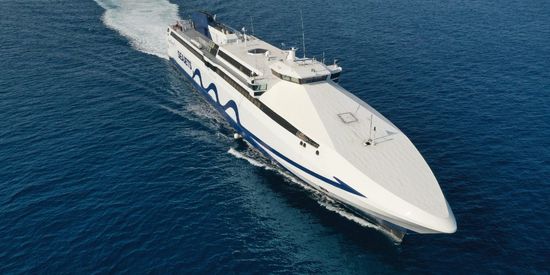
Mediterranean ferries divide into distinct types, each offering different travel experiences. Traditional ferries prioritise vehicle transport, accommodating cars and motorcycles alongside passenger facilities. Fast ferries (hydrofoils and catamarans) sacrifice vehicle space for rapid journeys, typically halving traditional crossing times. Overnight ferries, rare in Mediterranean waters except for longer routes, offer excellent value by combining transport and accommodation.
Journey times vary dramatically. Short hops between nearby islands (Cyclades to Cyclades) take 45 minutes to 1.5 hours. Medium routes (Piraeus to Cyclades) require 3–8 hours depending on ferry type and routing. Long-distance crossings (Piraeus to Crete or Rhodes) consume 9–12 hours. Ultra-fast catamarans compress times substantially but cost 30–50% more than traditional ferries.
Understanding these distinctions helps budgeting and energy management. A comfortable itinerary spaces longer journeys strategically, perhaps booking overnight ferries for major transitions whilst using day ferries for nearby island swaps. Ferryhopper UK specifies ferry types for each route, enabling precise planning around journey duration and comfort preferences.
Essential Planning Strategies for Success
Mediterranean ferry planning demands strategic thinking across multiple dimensions. Consider these critical planning elements
- Book accommodation 2–3 months ahead for popular islands during summer, but only 2–3 weeks ahead during shoulder seasons.
- Purchase ferry tickets 1–2 weeks before travel during peak season, but same-day purchases often succeed during quieter periods.
- Structure itineraries around ferry schedules rather than forcing islands into arbitrary sequences.
- Build flexibility into plans; Mediterranean weather occasionally disrupts ferries, so include contingency days.
- Pack essential medications and toiletries in carry-on bags in case checked luggage undergoes delays.
- Research island facilities before arrival; tiny islands may lack ATMs, pharmacies or reliable restaurants.
Navigating Ferries Like a Mediterranean Veteran
Successfully navigating Mediterranean ferries requires understanding unwritten rules and practical realities. Arrive at ports 30–45 minutes before stated departure; whilst ferries rarely leave early, boarding queues form quickly on popular routes. Bring your own refreshments onboard; whilst ferries operate snack bars, quality and selection often disappoint compared to prices charged.
Seasickness occasionally challenges ferry travellers despite Mediterranean waters’ relative calmness. Medication, acupressure wristbands or focusing on the horizon help most sufferers. Request cabin positioning amidships when taking overnight ferries, as central locations experience less motion than bow or stern positions.
Communication with locals proves invaluable. Ferry staff and port workers possess extensive knowledge about connections, island conditions and travel logistics. Unlike digital platforms, they appreciate human interaction and often provide candid advice about whether specific islands suit particular travel styles.
Making Ferry Bookings Work
Booking Mediterranean ferries presents challenges unfamiliar to landlocked travellers. Multiple ferry operators serve overlapping routes, each maintaining separate booking systems and offering different prices for identical sailings. Direct payment online sometimes fails due to European regulatory requirements, forcing booking through agent sites.
Ferryhopper UK consolidates dozens of operators into one platform, displaying all available options, comparing prices transparently and processing bookings painlessly. Rather than juggling multiple websites, you see every ferry option, select your preferred route and confirm with unified checkout.
Your Mediterranean ferry adventure awaits. Whether exploring Greece’s azure Cyclades, Croatia’s dramatic Adriatic or Italy’s island treasures, ferries offer unmatched freedom and authenticity. Start planning with Ferryhopper UK today and craft the Mediterranean adventure you’ve always imagined.