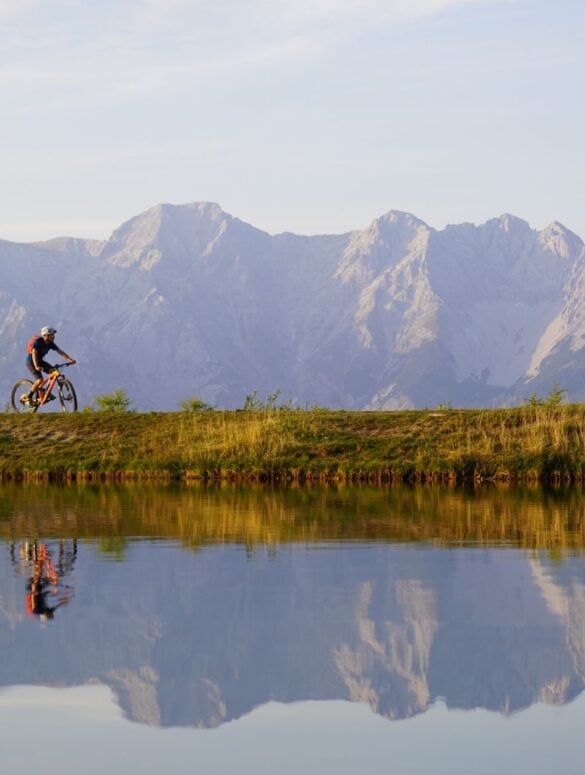
Mountain biking offers an exhilarating escape into nature, combining physical challenge with the raw beauty of outdoor trails. Whether carving through rocky terrain or descending steep mountainsides, having the right bike transforms the entire experience from frustrating to absolutely thrilling. The journey toward finding the perfect mountain bike requires understanding the different styles, terrain demands and personal riding preferences that define a successful adventure.
Understanding Mountain Bike Categories
The mountain biking world encompasses several distinct bike categories, each engineered for specific trail conditions and riding styles. Cross-country bikes prioritize lightweight frames and efficiency, making them ideal for riders tackling lengthy trails with mixed terrain. Trail bikes represent the versatile middle ground, offering balanced suspension and geometry that handle both climbing and descending with competence. All-mountain and enduro bikes lean toward aggressive terrain, featuring longer travel suspension and slack angles designed for steep, technical descents. Downhill bikes sit at the extreme end, with maximum suspension travel and robust construction for boulder-strewn ravines and drop-heavy courses. Leisure Lakes Bikes carries comprehensive selections across every category, ensuring riders find the exact tool for their preferred terrain.
Suspension Systems and Their Impact
Suspension technology fundamentally shapes how a mountain bike behaves on challenging trails. Hardtail bikes feature suspension only at the front, providing lighter weight and greater pedaling efficiency, making them particularly suited to cross-country disciplines and riders just beginning their mountain biking journey. Full-suspension bikes employ both front and rear dampers, dramatically improving comfort and traction over rough ground while requiring additional maintenance and weight trade-offs. The amount of suspension travel, measured in millimetres, directly correlates to the bike’s intended aggression level. Trail-oriented riders typically prefer 120 to 150 millimetres of travel, balancing playfulness with climbing efficiency. Leisure Lakes Bikes specialists help riders evaluate suspension characteristics and select systems that match their terrain preferences and skill progression.
Frame Materials and Durability
Mountain bike frames appear in several material compositions, each offering distinct advantages and trade-offs. Aluminum frames deliver excellent strength-to-weight ratios and afford reliable performance at accessible price points, making them popular among intermediate riders. Steel frames provide unmatched durability and vibration absorption, though they weigh significantly more than modern alternatives. Carbon fibre offers the ultimate in weight reduction and stiffness characteristics, enabling advanced riders to maximize performance on competitive terrain. Titanium frames combine carbon’s lightness with steel’s resilience, creating premium options for riders prioritizing long-term durability. Leisure Lakes Bikes provides expert guidance on material selection, helping riders understand how different compositions perform under real trail conditions.
Key Components That Matter
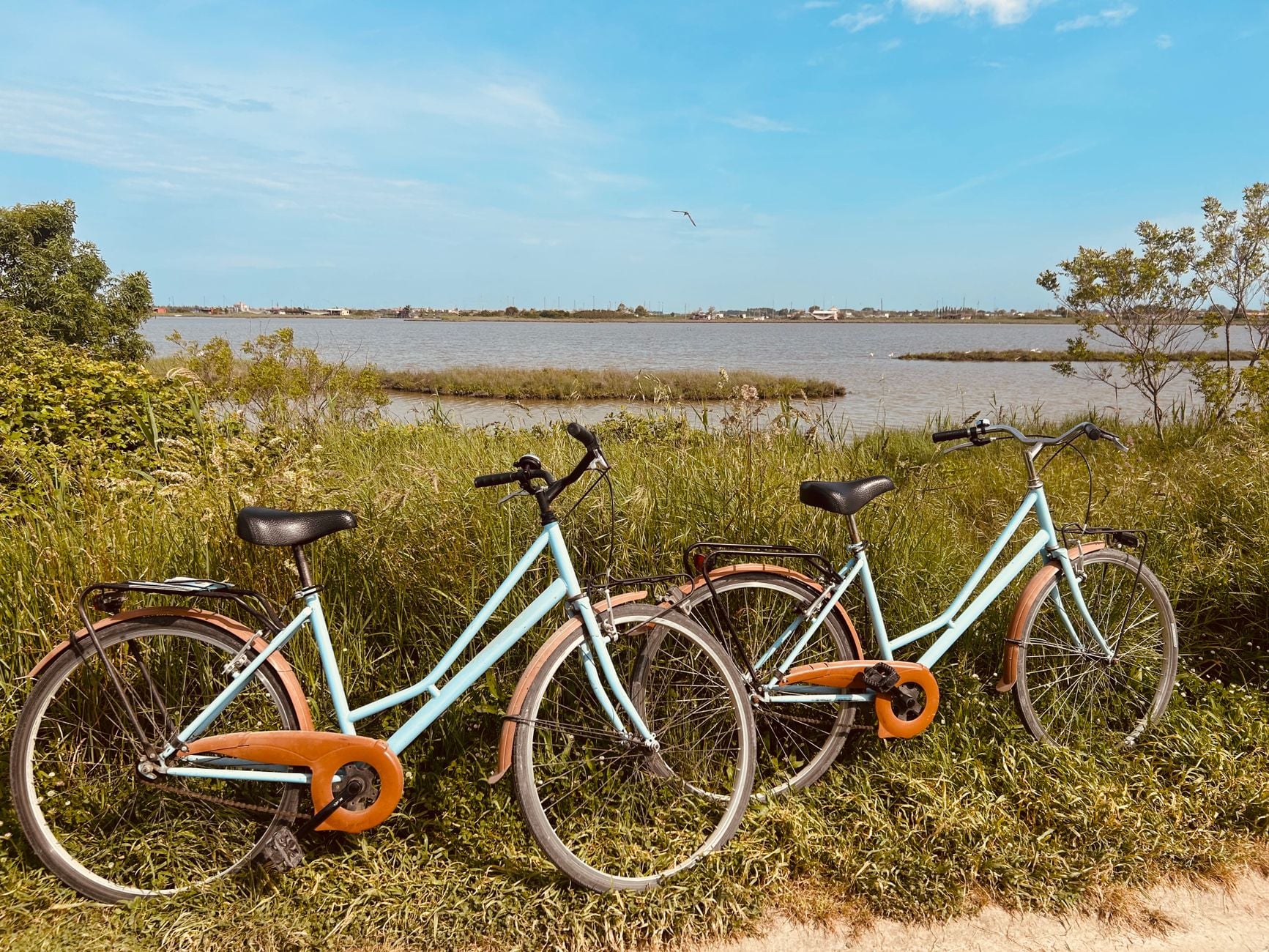
Beyond the frame and suspension, critical components influence how a mountain bike performs and progresses through its lifespan. Quality drivetrain systems ensure smooth, reliable gear changes during technical sections where concentration matters most. Braking systems range from mechanical disc brakes offering adequate stopping power to powerful hydraulic systems that provide modulation and consistency on extended descents. Wheel construction, including rim strength and spoke design, dramatically affects how bikes handle impacts and maintain true alignment. Tyres represent perhaps the most underappreciated upgrade opportunity, with tread patterns and rubber compounds engineered for specific conditions and riding styles. The following considerations deserve attention when evaluating mountain bikes Leisure Lakes Bikes
- Brake system type and modulation capacity determine confidence on technical sections
- Tyre tread pattern and width should match the prevalent terrain encountered regularly
- Drivetrain range and chainring configuration influence climbing ability and cadence control
- Wheelset stiffness and spoke count affect terrain responsiveness and durability
- Cockpit ergonomics including stem length and handlebar width enable consistent control
Geometry and Handling Characteristics
Modern mountain bike geometry has evolved dramatically, with designers pushing head tube angles slacker and chainstays shorter to enhance descending capability and terrain absorption. Longer reach dimensions provide stability and efficiency on high-speed terrain, though they demand confident handling skills. Shorter, steeper geometry produces snappier turning characteristics and climbing efficiency, favouring technical trail navigation. Standover height ensures comfortable foot-on-ground positioning, particularly important when trail conditions require unexpected dismounts. Bottom bracket height influences pedal clearance and weight distribution, affecting cornering confidence. Understanding personal preferences for handling characteristics helps narrow the selection significantly. Leisure Lakes Bikes encourages test rides that reveal how different geometry characteristics translate into real-world trail performance.
Budgeting and Long-Term Ownership
Mountain bike pricing spans a remarkable range, from budget options around to premium machines exceeding Entry-level bikes teach fundamental skills and reveal personal preferences without demanding significant investment. Mid-range bikes typically offer the best value proposition, combining proven components with frame quality that supports progression without excessive weight penalties. Premium machines deliver cutting-edge materials and exclusive component selections favoured by competitive riders. Beyond initial purchase, riders should anticipate ongoing maintenance costs including periodic suspension servicing, chain replacement and wear-item updates. Quality bikes retain value remarkably well through secondary markets, particularly models representing popular categories or premium builders. Starting the mountain biking journey with realistic budgeting prevents later frustration and enables satisfying long-term engagement with the sport.
Finding the perfect mountain bike transforms trail adventures from forgettable to unforgettable, enabling riders to push beyond previous limitations and discover hidden terrain. Through careful consideration of suspension systems, frame materials, component quality and personal geometry preferences, riders develop criteria that guide informed purchasing decisions.