Heritage tourism often separates the place someone visits from the place someone sleeps, but National Trust Holidays builds its accommodation portfolio around closing that gap. Cottages, converted barns, coastal lookouts, and grand halls sit within or beside land the organisation cares for, which changes how a stay is planned around a historic site rather than simply near one. This overview walks through the main categories of stay and how they connect to specific protected places.
What National Trust Holidays Offers: From Cottages to Campsites
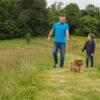
National Trust Holidays lists holiday cottages, rural camping locations, bothies, and bunkhouses across its accommodation search, covering a wide spread of settings from clifftop retreats to countryside farmhouses. The booking search itself reflects that range, letting a visit be filtered by region, length of stay, number of guests, and whether dogs are welcome, with options for one dog, two dogs, or three dogs welcome shown as separate choices. Nearly 300 of the cottages are described as dog-friendly, which is a notable share of the overall collection.
Cottages by National Trust Gardens: Private Access and Curated Locations
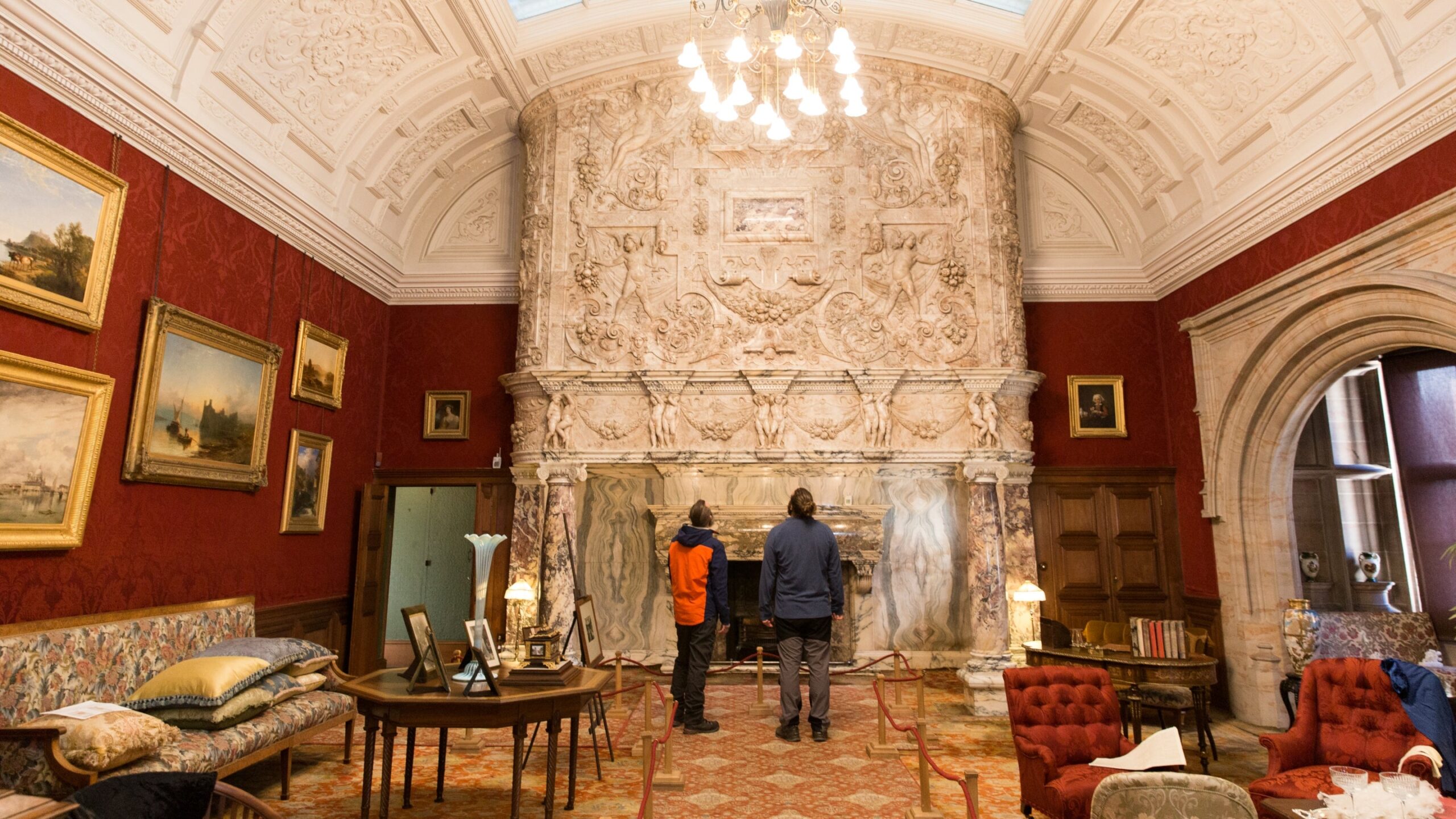
One of the organised collections groups cottages positioned next to, or occasionally inside, a National Trust garden. Some of these properties come with a key to the garden gate, meaning access is possible after the garden itself has closed to day visitors. A second related grouping brings together cottages near named attractions such as Wallington, Fountains Abbey and Studley Royal, Castle Ward, and Agatha Christie’s Greenway, pairing a stay with houses, collections, exhibitions, events, parkland, and trails at those specific sites.
Lighthouse Cottages and Coastal Stays: Quirky Heritage Conversions
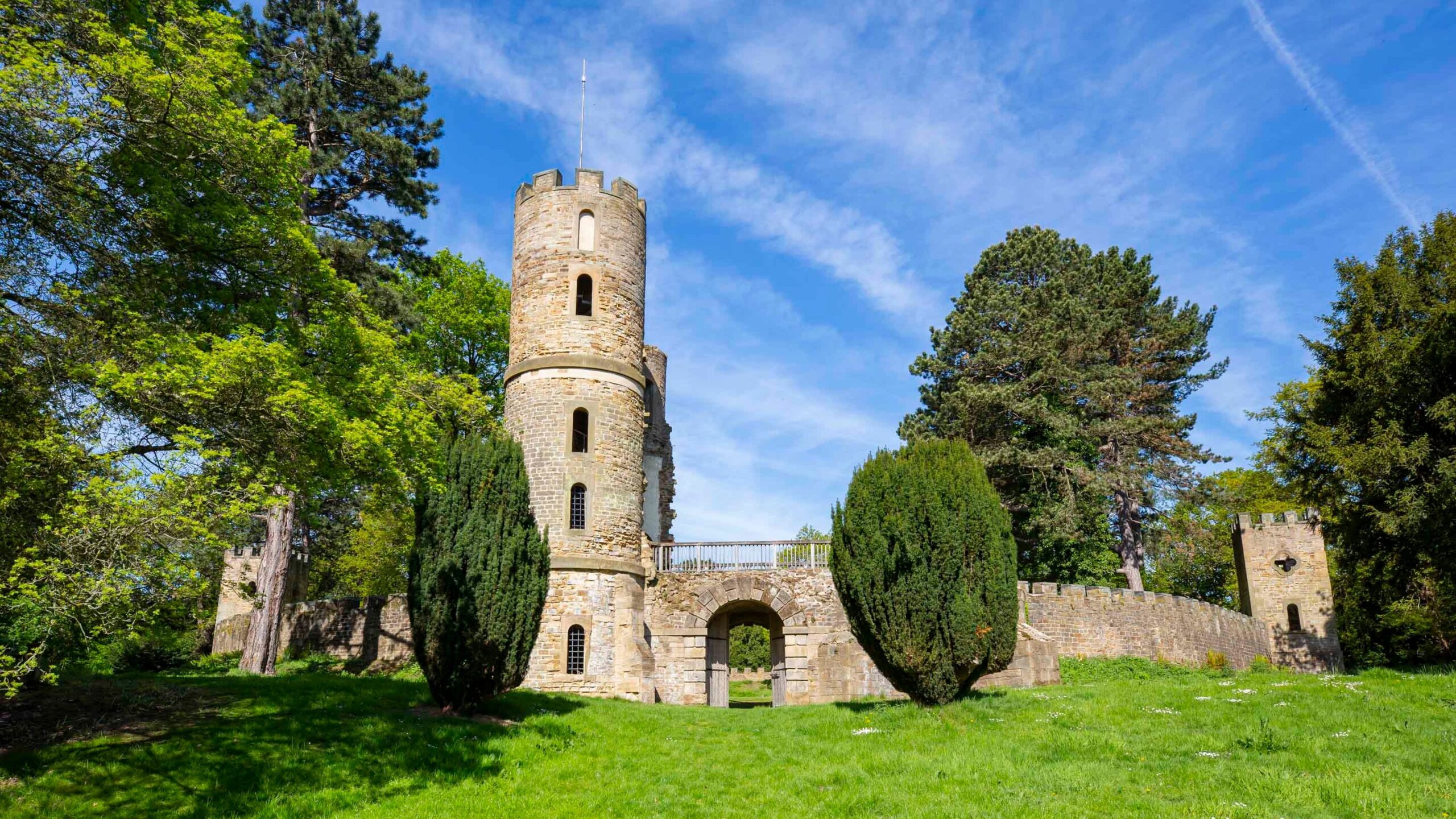
A separate collection covers lighthouses and lookouts, drawing on buildings that once served working or defence purposes along the coast. The listing includes a former radar station, officer’s quarters, and coastguard cottages, converted into places to stay rather than demolished or left derelict. This is one of the more distinctive threads in the portfolio, since it repurposes maritime and military structures rather than domestic farmhouses or manor buildings.
Grand Houses and Halls: Large-Group and Multi-Apartment Options
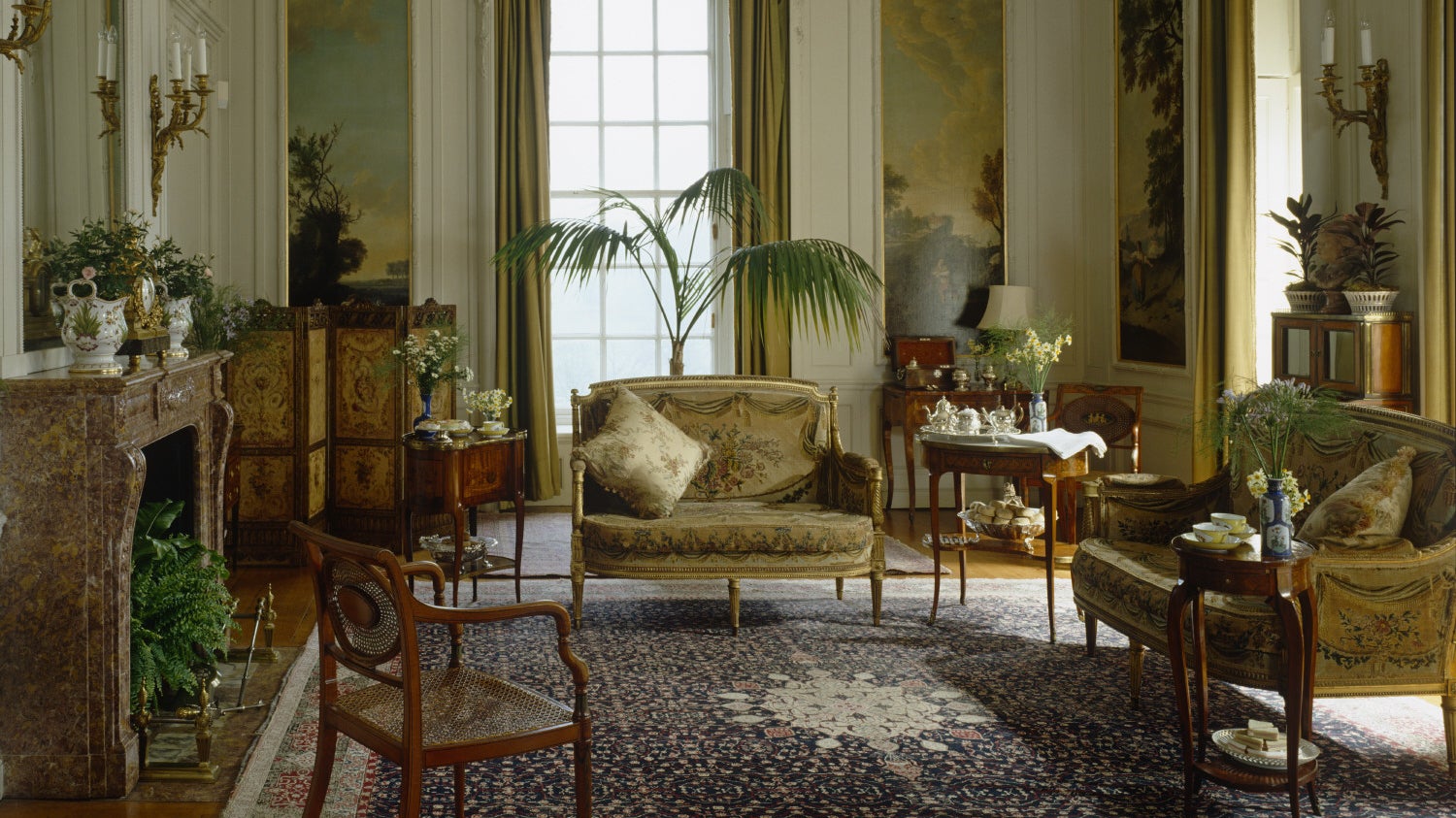
At the opposite end of the scale from a coastguard cottage sits the grand houses and halls collection, which spans properties able to sleep groups of up to 16 friends and family in a single booking. Other houses within the same collection are split into apartments intended for two people, so the category covers both large communal stays and smaller, self-contained ones under the same heritage roofline. Thorington Hall in Suffolk is one example the brand’s own site names within this grouping.
Barns and Stables: Restored Historic Farm Buildings
The barns and stables collection ranges from modern barns with contemporary interiors to older, unevenly shaped buildings that retain rustic and historical features. According to the brand’s own description, every barn or stable conversion in this group offers walks starting from the doorstep and a comfortable space to relax after a day outdoors. National Trust Holidays has run a barn holidays offer with a 15% saving shown once dates are selected, valid for bookings made between 02/06/26 and 15/11/26 for stays taken across that same window. Large farmhouses form a related but distinct collection, described as handsome and homely buildings found in scenic locations across the country, with Emley Farmhouse in Surrey given as an example.
The Holiday Collections Framework: How Stays Organise Around Heritage Experiences
Beyond gardens, coastal lookouts, grand houses, and barns, National Trust Holidays also lists a thatched cottages collection, described as ranging from small boltholes for two to larger rustic farmhouses, each restored on the outside and in. Seasonal groupings appear too, such as a set of stays positioned along the South West Coast Path, aimed at walkers wanting a comfortable base at the end of a day on that trail. Taken together, these groupings function less like a graded set of options and more like a set of parallel routes into the same overall property portfolio, each organised around a different kind of heritage experience or location type. The result is a way of browsing accommodation that keeps the focus on what surrounds the building as much as on the building itself.
- Cottages by National Trust gardens sometimes include a private key to the garden gate for access outside normal visiting hours.
- Cottages near named attractions such as Wallington, Fountains Abbey and Studley Royal, Castle Ward, and Agatha Christie’s Greenway sit close to houses, exhibitions, parkland, and trails.
- Lighthouses and lookouts include converted radar stations, officer’s quarters, and coastguard cottages along the coast.
- Grand houses and halls range from properties sleeping groups of up to 16 people to smaller apartments for two.
- Barns and stables span modern interiors and older rustic buildings, all offering walks from the doorstep.
- Large farmhouses and thatched cottages provide countryside settings, with the latter restored both outside and in.
- Camping trips cover options from family tent pitches to camping pods and van-friendly sites.
Across all of these categories, the organising idea stays consistent: accommodation is chosen and grouped by its relationship to a specific historic place, garden, coastline, or trail, rather than by amenities alone. That framing gives the collections a shared identity even though the buildings themselves differ enormously, from a converted radar station to a sixteen-person hall. National Trust Holidays structures its entire portfolio around this principle, making heritage location the primary lens through which a guest discovers a place to stay.