National Trust Holidays sorts its accommodation into collections that group properties by building type and by setting, whether that setting is a stretch of coastline, a garden, or a wider heritage site, rather than presenting one long list of interchangeable cottages. From coastal lookouts to grand halls and thatched cottages, each collection reflects the character of the buildings themselves, so a stay can be pictured before a single listing description is even opened.
National Trust Holiday Collections: The Curated Approach to Accommodation Selection
This grouping reflects the buildings and locations that sit at the heart of a stay, according to the brand’s own collections page. Someone drawn to a particular architectural style, such as a converted barn or a lighthouse keeper’s cottage, can move straight to that category instead of sifting through unrelated options.
The collections also acknowledge that a holiday cottage is rarely chosen for square footage alone. Setting, history, and the surrounding landscape all factor into the decision, and the range is structured to make those factors visible from the outset.
Lighthouses and Lookouts: Quirky Coastal Stays in Historic Buildings
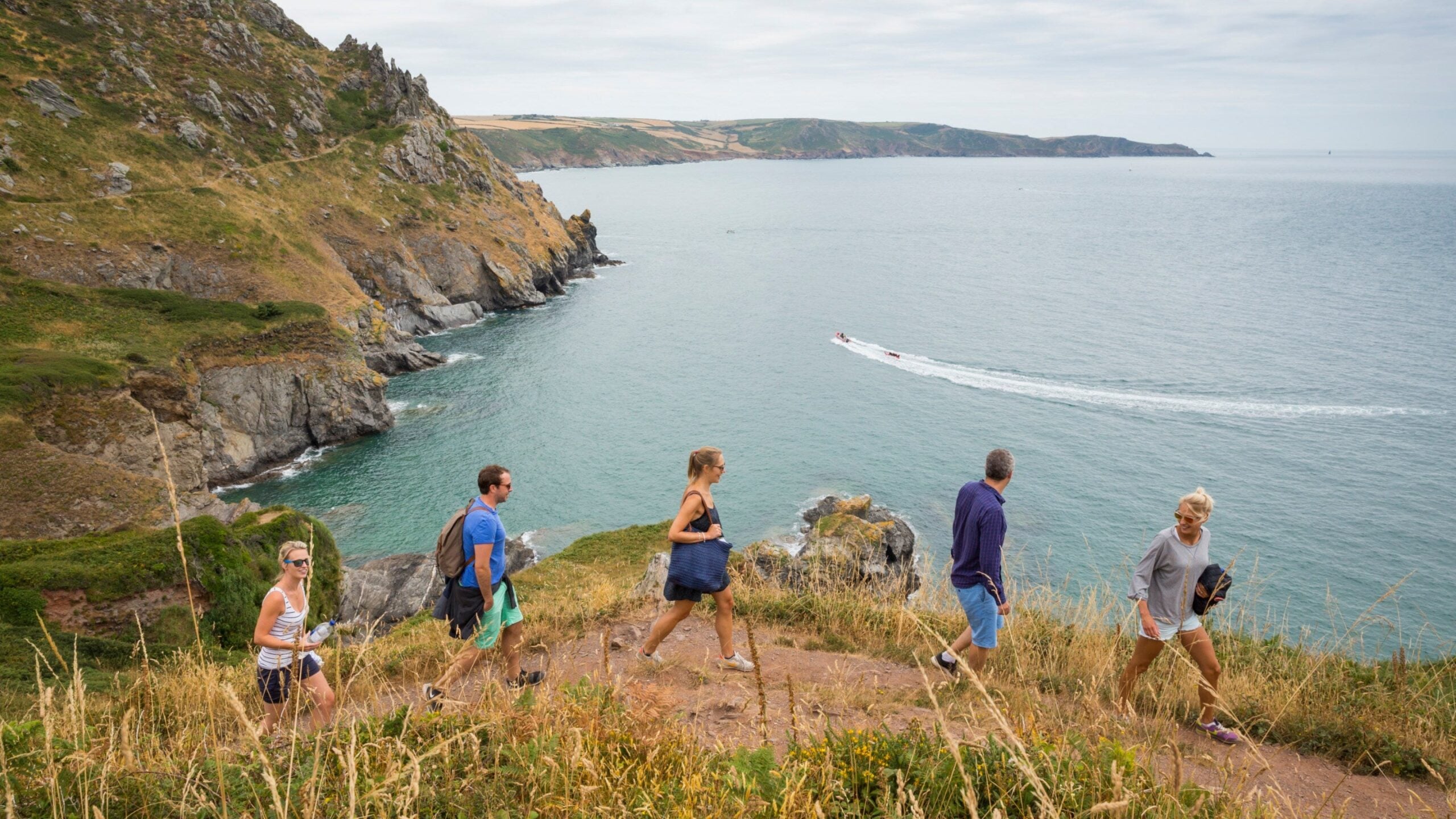
This collection covers former radar stations, old officer’s quarters, and coastguard cottages, all repurposed into places to stay along the coastline. These are buildings originally built for a functional, often maritime, purpose, and that history remains part of the appeal. The Lieutenant’s Quarter in Cornwall is one example listed within this group.
Because these buildings were sited for visibility and access to the sea rather than comfort, many sit in dramatic coastal positions that would be hard to replicate with a purpose-built holiday let. The quirks of each structure, from narrow staircases to unusual room shapes, are part of what sets this collection apart from more conventional cottage stays.
Grand Houses and Halls: Multi-Bedroom and Group-Sized Retreats
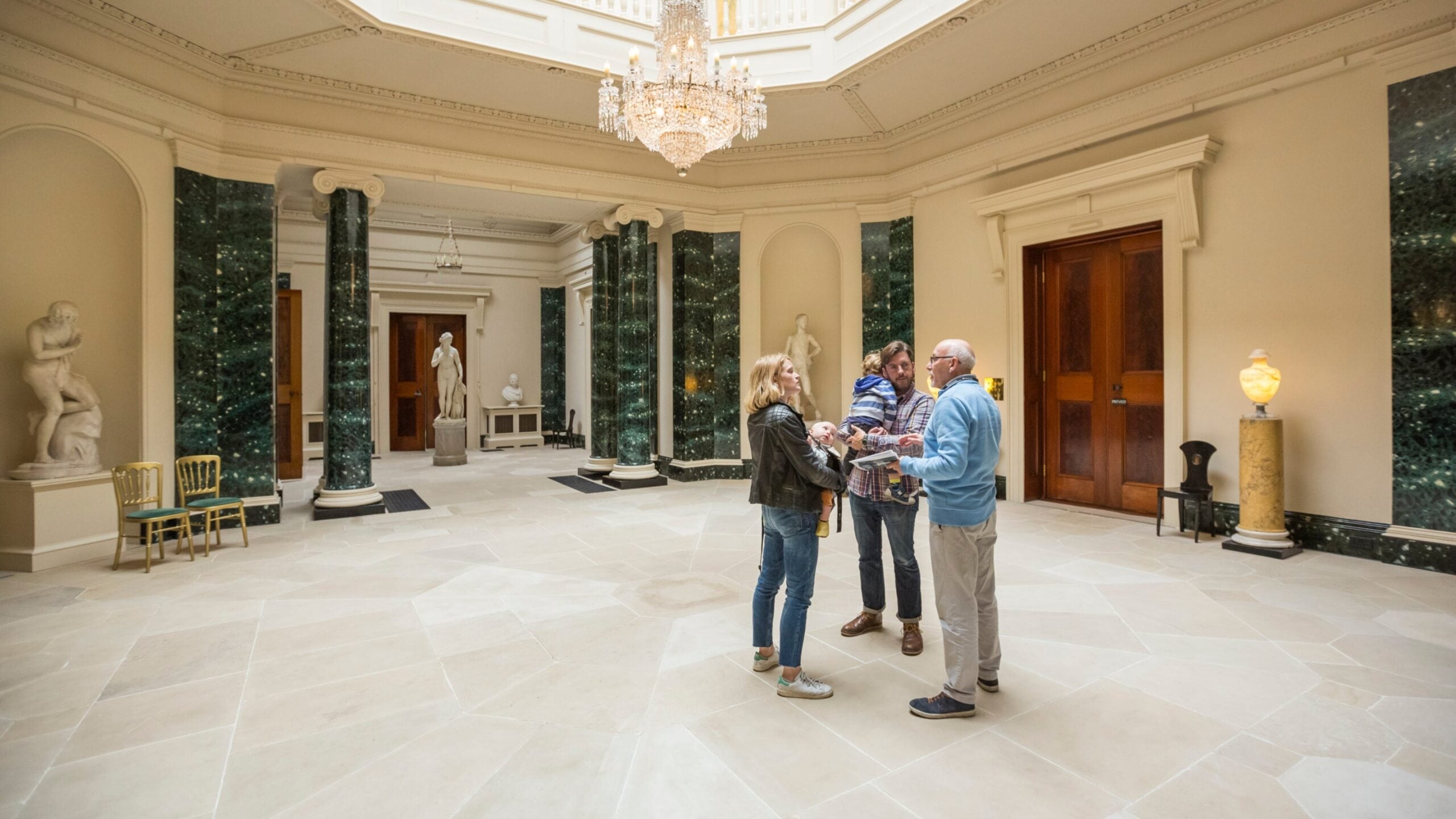
At the other end of the scale sit the grand houses and halls, a collection built around larger, more formal buildings. Some of these properties have space to gather a group of up to 16 friends and family, while others are set up as apartments for two, so the collection spans a wide range of group sizes under one banner. Thorington Hall in Suffolk is named as one of the properties within this group.
These buildings tend to carry more historical weight in their architecture and interiors than smaller cottages, reflecting their original use as family seats or manor houses. For gatherings that need multiple bedrooms under a single roof, this is the collection built specifically around that requirement, and National Trust Holidays lists it separately from the smaller farmhouse and cottage groupings for that reason.
Barns and Stables: Converted Rural Properties with Countryside Access
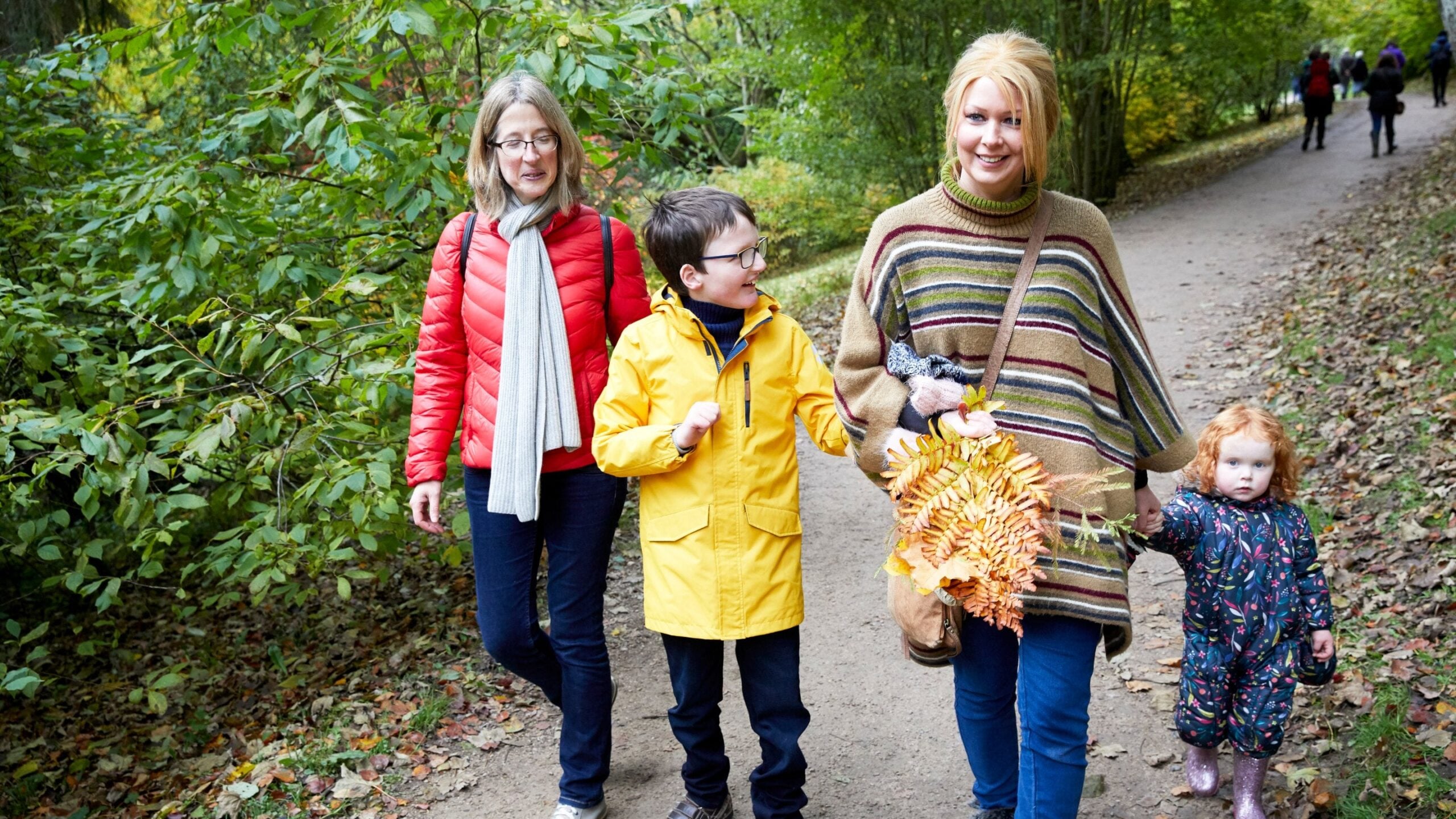
The barns and stables collection ranges from modern conversions with contemporary interiors to older buildings that keep their rustic, historical features intact. What unites them, according to National Trust Holidays, is that every property in this group has walks from the doorstep and comfortable places to relax at the end of a day spent outdoors. Kiln Barn in Herefordshire is one example within the range.
Because these buildings began life as agricultural structures, they often sit away from village centers, surrounded by open land rather than streets. That rural positioning is as much a defining feature of the collection as the architecture itself, and it shapes the kind of stay on offer more than any single interior detail could.
Thatched Cottages: Restored Period Properties for Countryside Escapes
The thatched cottage collection includes everything from small boltholes for two up to larger, rustic farmhouses, all restored on the outside and in to keep their period character intact. The brand describes these as quaint countryside getaways, with the restoration work aimed at picture-perfect stays rather than modern minimalism. This is one of the more visually distinctive collections, since the thatched roof itself signals a particular architectural era before anyone even reaches the front door.
The restoration approach mentioned covers both structural work and interior finishing, which means the cottages in this group are not simply left in their original state but actively maintained to a livable standard while preserving the exterior look that defines them.
Properties by National Trust Attraction: Staying Near Gardens and Heritage Sites
Two of the collections are organized not by building type but by proximity to a wider destination. One groups cottages next to, or in some cases inside, a National Trust garden, with some properties even including a key for the garden gate so that access continues after other visitors have left for the day. The other groups cottages near specific attractions, including Wallington, Fountains Abbey and Studley Royal, Castle Ward, and Agatha Christie’s Greenway, giving access to houses, collections, exhibitions, parkland, and trails.
These two location-based collections work differently from the building-type groupings described earlier, since the defining feature is the surrounding site rather than the property’s architecture. A cottage in either collection could just as easily be a barn, a farmhouse, or a period cottage, and the location is what ties the group together.
- Lighthouses and lookouts occupy coastal sites originally built for maritime or defense purposes, including former radar stations and coastguard cottages.
- Grand houses and halls range from properties sleeping up to 16 people to smaller apartments for two, suiting group gatherings as well as quieter stays.
- Barns and stables sit in rural settings with walks available directly from the doorstep, spanning both modern conversions and rustic historical buildings.
- Thatched cottages are restored inside and out, ranging from small boltholes to larger farmhouses, and are defined by their period character.
- Garden-adjacent cottages sometimes include a private key to the garden gate, allowing access outside normal visiting hours.
- Attraction-based cottages cluster near specific historic sites such as Fountains Abbey and Studley Royal or Castle Ward, putting houses, exhibitions, and trails within easy reach.
Booking through National Trust Holidays means choosing a collection first and a specific property second, which reframes the search around the kind of place someone wants to experience rather than a plain list of bedrooms and prices. That structure suits people who already know they want a coastal lookout or a thatched cottage, since it narrows the field immediately. It also suits people drawn to a particular garden or heritage site, since the location-based collections put that destination at the center of the search.
Across all of these groupings, the shared thread is that National Trust Holidays ties its accommodation directly to the buildings and landscapes already in its care, rather than offering generic countryside lets under a shared brand name.
Closing Thought
Seen together, these collections show that a holiday cottage in this range is chosen as much for its setting and building type as for its bedroom count.