

For a long time, I thought I had a pretty good handle on my health. I exercised regularly, paid attention to what I ate, and stepped on the scale often enough to feel informed. Still, something felt off. My weight barely changed, yet my energy levels, strength, and recovery clearly did. That disconnect is what eventually pushed me to look deeper, and that is how I came across Hume Health.
It turned out that the issue was not my effort. It was what I was measuring.
TL;DR
- Weight alone hides important body changes
- Body composition reveals trends the scale misses
- Health data makes progress easier to understand
- Small shifts become visible before they feel obvious
Why the Scale Can Be Misleading
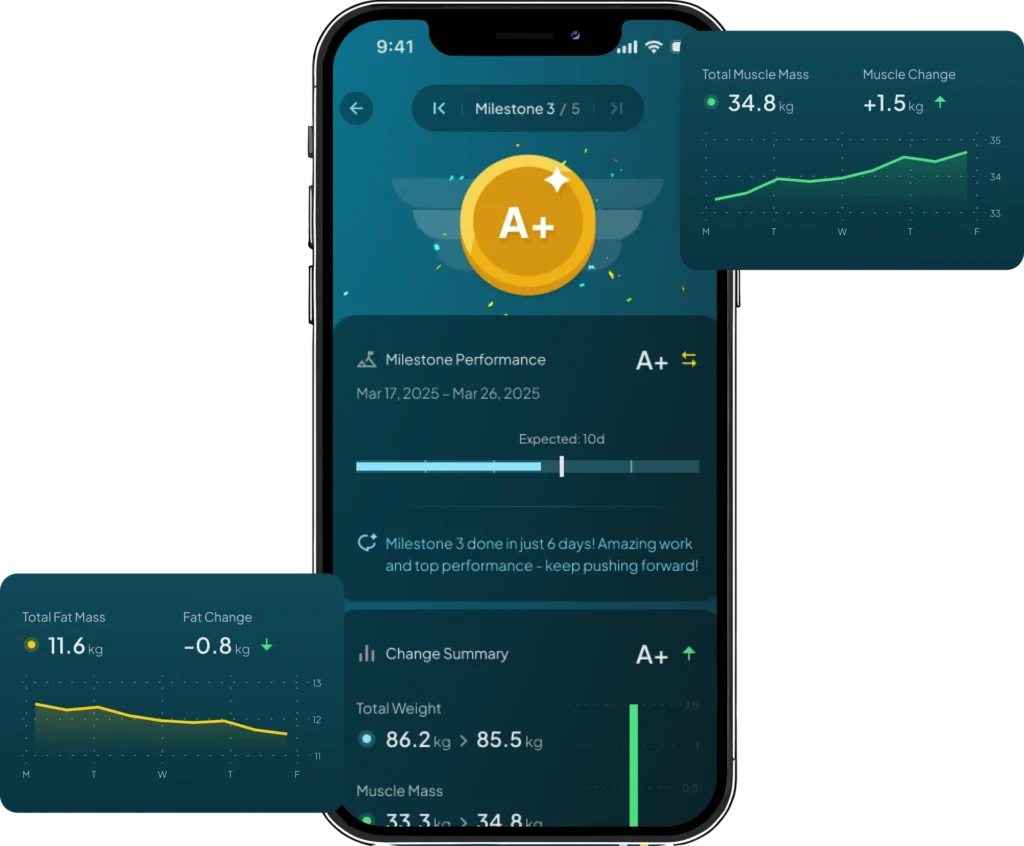
Most people rely on weight as their main health metric. The problem is that weight combines fat, muscle, water, and other factors into one number. When one goes up and another goes down, the scale barely moves.
This is why people often feel stuck despite doing everything right. Muscle gain and fat loss can cancel each other out on the scale. That leads to frustration and unnecessary changes to routines that were actually working.
Understanding body composition tracking adds context. It shows what is really changing beneath the surface.
Seeing Progress Before It Shows
One of the most surprising things about deeper health data is how early it reveals trends. Changes in muscle mass, body fat percentage, and metabolic indicators often appear weeks before they show physically.
Using body composition analysis at home helps spot these shifts early. That feedback loop matters. It reinforces good habits and prevents overcorrecting based on incomplete information.
Instead of asking why nothing is happening, you start asking whether what you are doing is working in the right direction.
How Better Data Changes Daily Decisions
Once you can see more than weight, everyday choices become clearer. Training adjustments make more sense. Recovery days feel justified. Nutrition tweaks become intentional instead of reactive.
People tracking muscle mass and body fat often notice patterns they missed before. Poor sleep shows up in recovery metrics. Stress affects composition even when workouts stay consistent.
This awareness does not require obsession. It simply replaces guessing with insight.
Motivation Without the Emotional Rollercoaster
The scale creates emotional highs and lows. A good number feels validating. A bad one can ruin motivation for days. More detailed health metrics smooth that out.
When you follow long term wellness tracking, progress becomes a trend rather than a daily judgment. One off fluctuations matter less. Consistency matters more.
That shift alone makes health goals feel more sustainable.

Why This Matters Beyond Fitness
Body changes are not just about aesthetics. Composition trends relate to energy, resilience, and long term health outcomes. Muscle plays a role in metabolic health. Fat distribution matters more than total weight.
Using smart health tracking tools helps connect daily habits to those bigger outcomes. It turns health into something you can observe instead of something you hope is improving.
That perspective is especially useful for people who want longevity, not just short term results.
Is This Kind of Insight Necessary for Everyone
Not everyone needs detailed data to stay healthy. But for people who feel confused by stagnant weight or inconsistent results, it can be a turning point.
The moment you realize your body has been changing all along is powerful. That was my experience after using Hume Health. Nothing about my effort suddenly improved. My understanding did.

When Awareness Becomes the Advantage
Health progress does not always look dramatic. Sometimes it is subtle, quiet, and easy to miss. Better data makes those changes visible.
When you stop relying on weight alone and start paying attention to composition and trends, progress feels real again. Not louder. Just clearer.
That clarity is often what keeps people moving forward when motivation would otherwise fade.






![Your bedroom is more than just a place to sleep; it’s your personal sanctuary, a space to relax, recharge, and reflect. Whether you’re designing a serene retreat, a vibrant haven, or a cozy escape, the right furniture can completely transform the atmosphere of your bedroom. At [Brand Name], we believe that creating the bedroom of your dreams doesn’t have to come with a hefty price tag. With affordable furniture ideas that suit every style, you can turn your vision into a reality—without breaking the bank.](https://www.glamorstyles.com/wp-content/uploads/living-room-8501757_1280-100x100.jpg)