

Choosing a health tracking tool is not just about features. It is about whether it actually fits into your life and helps you understand your body better without adding stress. Many people start tracking health with good intentions, only to give up when the data feels confusing or meaningless. That is why so many are now asking whether Hume Health is the right choice before committing to it.
The answer depends less on technology and more on how you approach your wellness journey.
TL;DR
- Weight alone does not reflect real health progress
- Body composition provides deeper insight into wellness
- Long term trends matter more than daily fluctuations
- Better data helps guide fitness and lifestyle decisions
What Most People Expect From Health Tracking
Many people start tracking their health to feel more in control. They want reassurance that their habits are working. The problem is that common metrics such as weight or BMI rarely tell the full story.
Someone can lose fat and gain muscle at the same time, yet see no change on the scale. This often leads to frustration and unnecessary changes to workouts or nutrition. A body composition tracker helps explain what is actually happening instead of leaving you guessing.
If you want clarity rather than motivation alone, the type of data you track matters.
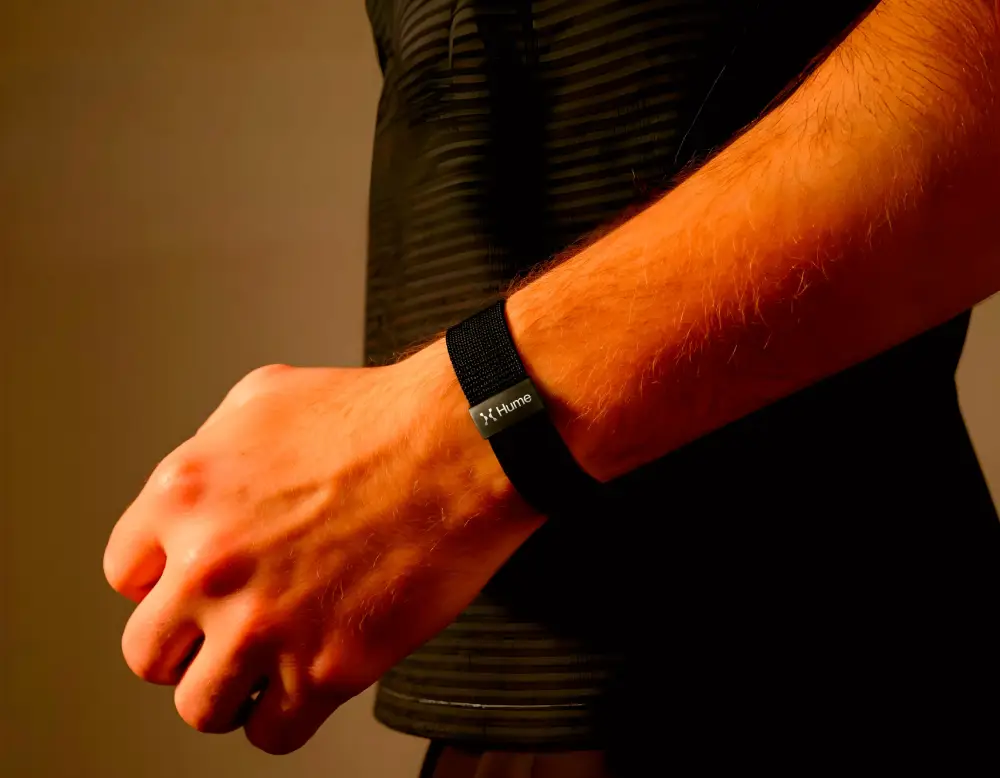
Understanding What Deeper Metrics Can Show
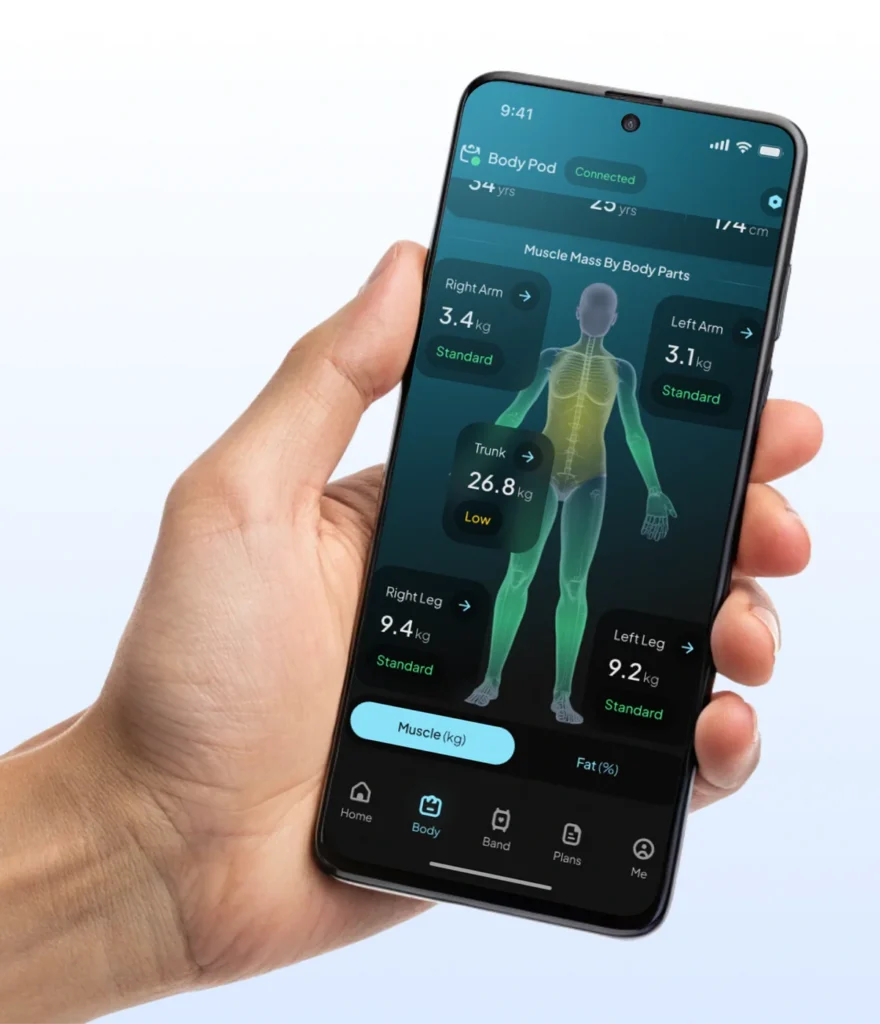
Body composition focuses on factors such as muscle mass, fat percentage, and overall balance. These metrics change gradually, but they reveal trends that weight cannot.
Tracking muscle and fat changes helps put effort into context. You may notice improvements in strength or energy before any visible changes appear. That early feedback can keep people consistent instead of second guessing themselves.
For those focused on long term wellness rather than short term results, this perspective is valuable.
Who Tends to Benefit the Most
Not everyone needs advanced health tracking. Some people are perfectly happy focusing on movement, food quality, and how they feel. However, others struggle when progress feels invisible.
People who often benefit include:
- Those frustrated by a stagnant scale
- Fitness focused individuals tracking performance
- Anyone interested in metabolic health trends
- People motivated by data rather than appearance
Using health metrics beyond weight helps these groups stay grounded in reality instead of emotion.
How It Fits Into Everyday Life
A major question is whether health tracking becomes a habit or a burden. Tools that demand constant attention often fail over time. The goal should be insight, not obsession.
When tracking supports long term wellness habits, it becomes part of a routine rather than a task. Reviewing trends weekly or monthly often provides more value than daily check ins.
The most effective wellness tools are the ones you forget about until they give you useful insight.
Expectations Matter More Than Features
No health technology can replace consistency, sleep, or nutrition. Tools work best when they support decisions rather than dictate them.
If someone expects instant results or dramatic changes from tracking alone, disappointment is likely. If the goal is understanding patterns and making informed adjustments, deeper metrics make sense.
This mindset shift is often what determines whether Hume Health feels helpful or unnecessary.
Is It the Right Choice for You
Hume Health is best suited for people who want to understand their bodies rather than chase a number. If you care about trends, balance, and long term improvement, it aligns well with that approach.
If you prefer simplicity and already feel confident in your routine, you may not need additional data. Wellness tools should support your goals, not create new pressure.

Making an Informed Decision
Before choosing any health tracking system, ask what you actually want to learn. If the answer goes beyond weight and into how your body is adapting over time, body composition insights can be a powerful addition.
When used with realistic expectations, better data often leads to better decisions. That alone can make a noticeable difference in how confident you feel about your wellness journey.